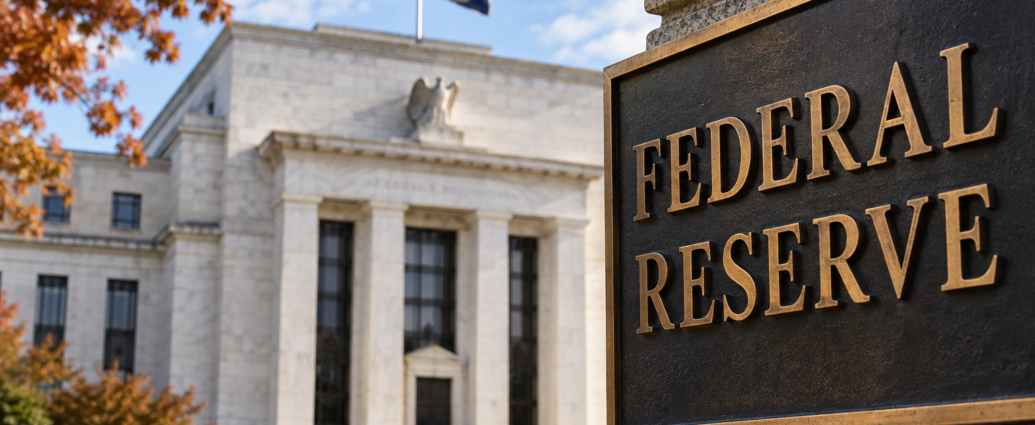
Most Federal Reserve officials believe they will need to raise interest rates again before the end of the year, but they gave no clear signal on whether that move will come this month or in December, according to minutes of the central bank’s September meeting released Wednesday.
At that Sept. 15-16 meeting, the Fed raised its benchmark interest rate by a quarter of a percentage point to a range of 3.75% to 4%, its first hike in more than three years. The vote was 12-0, and the minutes show that every official taking part supported the move.
Looking ahead, the minutes said “most participants assessed that another increase” in the Fed’s key rate “would likely be appropriate by year end.” But officials stressed that they approach each meeting with an open mind and that future decisions will depend on incoming data. In plain terms, the Fed is leaning toward one more hike but is not committing to a date.
The Fed has two meetings left this year: Oct. 27-28 and December. Investors had priced in about a 22% chance of a hike at the October meeting heading into the minutes, down from roughly 51% a week earlier, after softer-than-expected inflation and jobs data and cautious comments from several Fed leaders. New York Fed President John Williams said last week there was “no need for urgency,” and Fed Vice Chair Philip Jefferson also called for studying more data before acting.
The reason for the Fed’s worry is simple: prices are still rising too fast. Fed staff estimated that inflation, as measured by the Fed’s preferred gauge, rose to 3.8% in August, nearly double the central bank’s 2% target. Excluding food and energy, it held at 3.4%. Officials said they had “not seen sufficient progress” on lowering inflation in recent months, and Fed staff do not expect it to return to 2% until 2029.
The minutes pointed to three main sources of pressure. First, the Middle East conflict has pushed up prices for crude oil, gasoline and diesel. Second, the artificial intelligence building boom is driving up costs, from technology-related consumer goods to materials and wages for skilled workers. Third, earlier tariff increases are still working through the economy, though their effect is fading. Many officials warned that the longer energy prices stay high, the greater the risk those costs spread to other parts of the economy.
Officials also raised a deeper concern. After more than five years of inflation above 2%, some worried that Americans and businesses could start to expect high inflation as normal, which can make it harder to bring down. Many officials said a higher interest rate path would act as insurance against inflation staying stubbornly high.
For everyday Americans, higher Fed rates mean higher borrowing costs. Credit card rates, car loans, home equity lines and small business loans all tend to rise when the Fed hikes. The minutes noted that the housing market in particular is feeling the squeeze, with mortgage rates still elevated. The average 30-year fixed mortgage rate stood at 7.28% as of Oct. 1, according to Freddie Mac, up from 6.34% a year ago.
The minutes also flagged a growing divide among households. Officials said stock market gains have helped support spending, particularly among higher-income families. But several noted that low- and moderate-income households are under strain, with higher energy prices taking a bigger bite out of their paychecks.
The broader economy, however, remains strong. The unemployment rate fell to 4.1% in July and August, and officials described economic growth as solid, powered by business spending on AI and steady consumer spending. Several said the scale and speed of the AI buildout “had continued to surprise to the upside.” That strength is part of why the Fed believes it can raise rates without causing a sharp jump in unemployment.
The Fed’s main tool here is its benchmark rate. Raising it makes money more expensive to borrow, which slows spending and is meant to ease pressure on prices over time. Fed Chairman Kevin Warsh has said the September hike would support a “timelier return” of inflation to the 2% goal.
The next test comes at the Oct. 27-28 meeting. Before then, officials will see fresh readings on inflation, jobs and consumer spending. If those numbers run hot, the October meeting could bring a second hike. If they cool, the Fed is likely to wait until December.
JBizNews Desk | Washington
© JBizNews.com All Rights Reserved. Reproduction or distribution without written permission is prohibited.