April 26, 2026
Washington — Federal Reserve officials are signaling a cautious approach to the latest energy price surge triggered by the Middle East conflict, treating the oil shock primarily as a temporary supply disruption while monitoring whether it spills into broader inflation expectations and core prices.
“We can look past the energy shock in the short term, but patience has limits if it begins to affect longer-term inflation expectations,” said Fed Chair Jerome Powell in recent remarks.
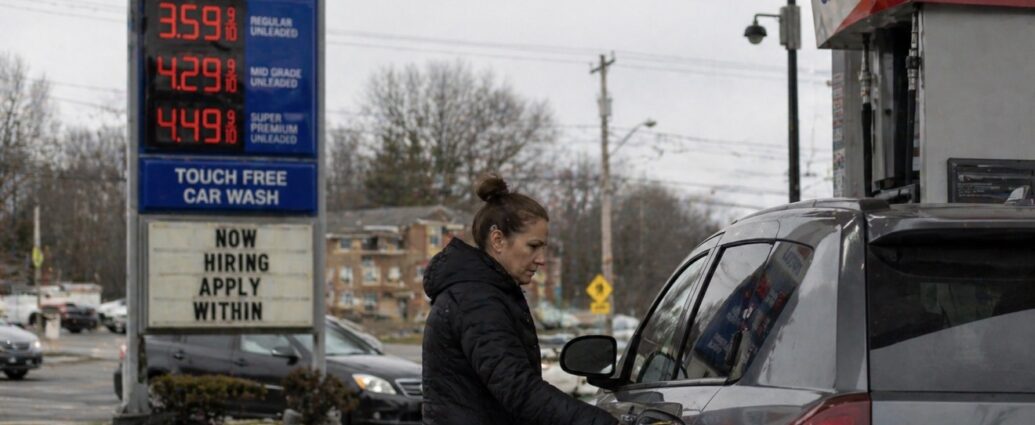
The central bank has held interest rates steady in recent meetings, with officials projecting only modest easing later in 2026 despite the war’s impact on oil markets. Higher energy costs have already pushed gasoline prices sharply higher nationwide, contributing to a record-low University of Michigan consumer sentiment reading of 49.8 in April and lifting one-year inflation expectations to 4.7%.
“The vast majority of participants noted that progress toward the Committee’s 2 percent objective could be slower than previously expected and judged that the risk of inflation running persistently above the Committee’s objective had increased,” according to the minutes from the Fed’s March meeting.
Dallas Fed research highlights the sensitivity of the outlook. Under current scenarios, the Iran conflict is expected to add 0.6 percentage points to fourth-quarter-over-fourth-quarter headline PCE inflation in 2026, with smaller effects on core inflation. Prolonged disruptions in the Strait of Hormuz could amplify these impacts significantly.
“An extended disruption of the world’s oil trade from the Iran war could lift headline U.S. inflation to well over 4% by year-end,” warned researchers at the Dallas Fed.
Balancing Supply Shocks and Policy Goals
Powell and other officials have emphasized the textbook response to supply-driven energy shocks: look through them in the near term because monetary policy cannot quickly offset temporary price spikes in commodities. However, repeated shocks — following the pandemic and earlier tariff effects — have complicated the picture.
“We were at about 3% inflation and somewhere between 0.5 and 0.8 [percentage points] of that is from tariffs. We’ve been pretty close to 2% all this time. Now we have another supply shock coming,” Powell noted in late March remarks at Harvard.
The Fed is closely watching whether higher energy costs feed into wages, services prices, or long-term inflation expectations. So far, officials believe expectations remain reasonably well anchored, but they acknowledge risks if the conflict drags on.
“The duration of the Iran war will likely influence how far consumers pull back and whether second-round effects emerge in the broader economy,” said economists tracking Fed deliberations.
Market and Policy Implications
Markets have pushed back expectations for rate cuts this year as inflation risks rise. Some investors had priced in the possibility of a hike if core pressures broaden, but Powell has pushed back against immediate tightening.
The central bank’s dual mandate — maximum employment and price stability — is being tested. While the labor market has shown some cooling, consumer spending (which drives about 70% of the economy) faces headwinds from higher fuel and logistics costs.
“Policy is likely not riding to the rescue like it did during the Covid era,” noted analysts assessing the Fed’s constrained options.
Longer term, the episode reinforces the importance of diversified energy supplies and supply-chain resilience. For now, the Fed appears committed to data-dependent decisions, avoiding knee-jerk reactions while remaining vigilant against any unanchoring of inflation psychology.
As the conflict’s duration remains uncertain, Fed officials will scrutinize incoming data on consumer prices, producer prices, and expectations in the May and June meetings. Any signs of broadening price pressures beyond energy could prompt a more hawkish tilt, while a swift resolution could reopen the door to easing later this year.
The current environment underscores the challenges of conducting monetary policy amid geopolitical volatility. How the Fed navigates this latest supply shock will influence not only inflation outcomes but also growth, employment, and household finances nationwide through the remainder of 2026 and beyond.
JbizNews Desk Washington