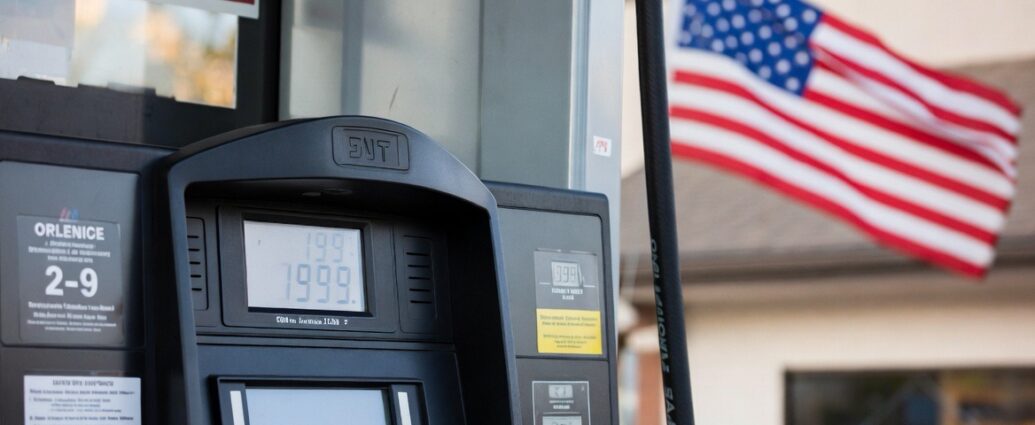
American drivers are feeling the full weight of the U.S.-Iran war at the gas pump. Pump prices surged to their highest level in nearly four years on Tuesday, as faltering peace negotiations and a blocked Strait of Hormuz sent crude markets sharply higher — and left consumers bracing for more pain ahead.
The national average price of a gallon of gas stood at nearly $4.18 on Tuesday, up from $4.11 one day prior, according to the AAA motor club. The 1.6% leap was the highest one-day jump since President Trump launched his strikes against Iran on February 28. U.S. gas prices had briefly fallen for two weeks to $4.02 following the start of a ceasefire in the Iran war. But concerns over stalled peace talks, and no agreement to reopen the Strait of Hormuz, sent prices shooting higher once again.
The geopolitical backdrop is driving every tick higher in oil markets. The price of Brent crude, an international benchmark, jumped more than 3% to more than $110 per barrel on Tuesday as the Trump administration signaled it was cool to Iran’s latest proposal for ending the war. Iran has offered to reopen the Strait of Hormuz if the U.S. drops its blockade of Iranian ports and postpones discussions about Tehran’s nuclear program. That offer is likely to be rejected by Trump — it does not address the core issue he cited when he began bombing on February 28: finding a way to ensure that Iran cannot build an atomic weapon.
President Trump said Americans should anticipate paying higher prices at the gas pump for “a little while” as a result of the Iran war, without specifying a timeline. Trump added he is in no rush to make a peace deal with Tehran, claiming the war has had less of an impact on both stocks and oil prices than he expected, and insisting the U.S. has “total control” in the Strait of Hormuz.
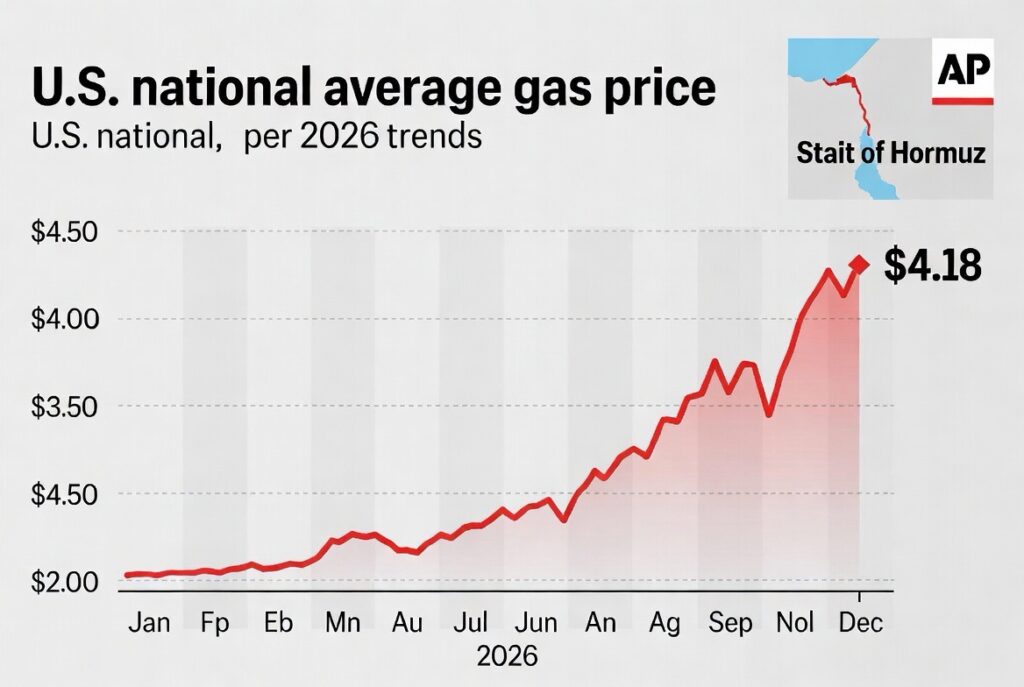
The economic toll on consumers is already substantial. A large majority of Americans — nearly 80% — say they have cut spending due to pain at the pump, according to the latest CNBC All-America Economic survey of 1,000 people conducted from April 15 to 19. A majority of respondents also said they expect higher prices to last at least six months.
Energy analysts warn the worst may not yet be over. Andy Lipow, president of Lipow Oil Associates, predicted average gas prices could rise as high as $4.30 in the next week to ten days. U.S. gasoline inventories have fallen below 230 million barrels, well below the roughly 250 million barrels the country typically holds in storage. As the U.S. exports record amounts of crude and refined products to offset some of the losses from the Middle East, domestic prices are expected to rise further.
California, which has long had the highest average price of any state, now carries a state average approaching $6 a gallon at $5.97.
The broader economic read remains cautiously resilient for now. Consumer confidence inched up by 0.6 points to 92.8 in the Conference Board’s monthly index. “Consumer confidence edged up in April but was overall little changed, despite material concern about rising gasoline prices as the war in the Middle East prompted a surge in Brent crude oil prices,” said Dana Peterson, chief economist at the Conference Board.
The global ramifications extend well beyond American commuters. The International Energy Agency has characterized the situation as the “largest supply disruption in the history of the global oil market,” with Iran’s closure of the Strait of Hormuz disrupting 20% of global oil supplies and significant volumes of liquefied natural gas. Analysts have forecast that prices could reach $100 per barrel if disruptions persist, potentially adding 0.8% to global inflation. Meanwhile, peace talks remain at an impasse, with Tehran insisting it will not enter what it calls “forced negotiations” — and markets pricing in every hour of uncertainty.
JBizNews Desk — April 28, 2026
© JBizNews.com. All rights reserved. This article is original reporting by JBizNews Desk. Unauthorized reproduction or redistribution is strictly prohibited