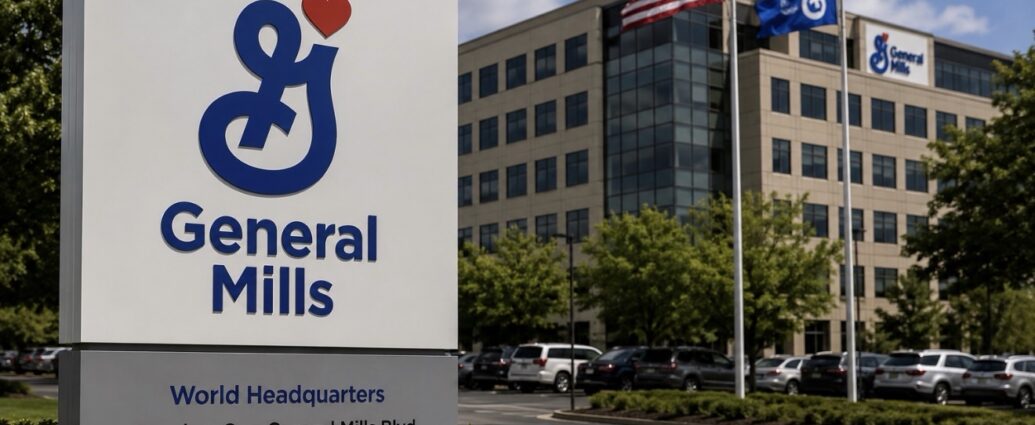
General Mills reported better-than-expected quarterly earnings on July 1, beating Wall Street forecasts while announcing an ambitious plan to cut $3 billion in costs by 2030 as consumers continue pulling back on grocery spending. The maker of Cheerios, Pillsbury, Betty Crocker and dozens of other household brands said the savings initiative is designed to offset inflation, improve efficiency and position the company for long-term growth.
The Minneapolis-based food giant reported adjusted earnings of 95 cents per share, topping analysts’ expectations of about 81 cents per share, while quarterly revenue came in at approximately $4.6 billion. Investors welcomed the stronger-than-expected results, sending the company’s shares sharply higher following the announcement.
“Our fourth-quarter results represented a positive finish to a challenging fiscal year,” Chairman and Chief Executive Officer Jeff Harmening said while outlining the company’s strategy for returning to sustainable growth.
Although quarterly earnings exceeded expectations, the broader picture reflected continued pressure throughout the packaged-food industry.
General Mills reported full-year net sales of $18.4 billion, down roughly 5% from the previous fiscal year, as inflation-weary shoppers continued buying fewer premium grocery products and increasingly switched to lower-priced private-label alternatives.
The company also reported a quarterly net loss driven largely by one-time accounting charges, including goodwill impairments and costs associated with the planned sale of its Brazil business. Excluding those non-cash charges, underlying operating performance remained stronger than headline earnings suggested.
The biggest announcement, however, was management’s new cost-reduction initiative.
General Mills plans to generate $3 billion in cumulative savings by fiscal 2030 through a combination of supply-chain improvements, manufacturing efficiencies, organizational restructuring and expanded use of artificial intelligence throughout its operations.
Approximately $2 billion of those savings will come from existing productivity initiatives, while the remaining savings are expected through a broader transformation program aimed at simplifying business operations worldwide.
Company executives expect approximately $750 million in savings during the coming fiscal year alone.
The aggressive cost-cutting reflects changing consumer behavior.
After several years of raising prices to offset inflation, many food manufacturers are discovering shoppers have become increasingly price-sensitive. Consumers are purchasing fewer discretionary grocery items, comparing prices more closely and choosing store brands more frequently than in previous years.
General Mills believes improving efficiency rather than relying solely on additional price increases will better position the company for future growth.
Management also plans to introduce new products emphasizing convenience, health and higher protein content while refreshing established brands to better compete for consumer spending.
One recent success has been the company’s Cheerios Protein line, which executives said has already generated approximately $100 million in sales.
Inflation continues presenting challenges.
General Mills expects ingredient and operating costs to increase between 4% and 5% during the coming fiscal year, making its cost-saving initiatives increasingly important to protecting profitability while limiting future price increases.
For consumers, the company’s results provide another indication that grocery budgets remain under pressure.
When one of America’s largest packaged-food companies reports customers are purchasing less and seeking greater value, it reinforces broader economic trends affecting households nationwide.
The company’s decision to emphasize efficiency over continued price increases could eventually help moderate grocery inflation for some products, although executives acknowledged consumers are likely to remain cautious throughout the coming year.
For investors, the results suggest General Mills is shifting from defending profitability through higher prices toward improving operations and rebuilding long-term sales growth.
The broader food industry continues undergoing similar adjustments as manufacturers balance rising costs, changing consumer preferences and increased competition from lower-priced alternatives.
Whether General Mills succeeds in achieving its ambitious savings targets while maintaining product quality and brand loyalty will likely determine how well the company performs over the next several years.
JBizNews Desk | Minneapolis
© JBizNews.com All Rights Reserved. Reproduction or distribution without written permission is prohibited