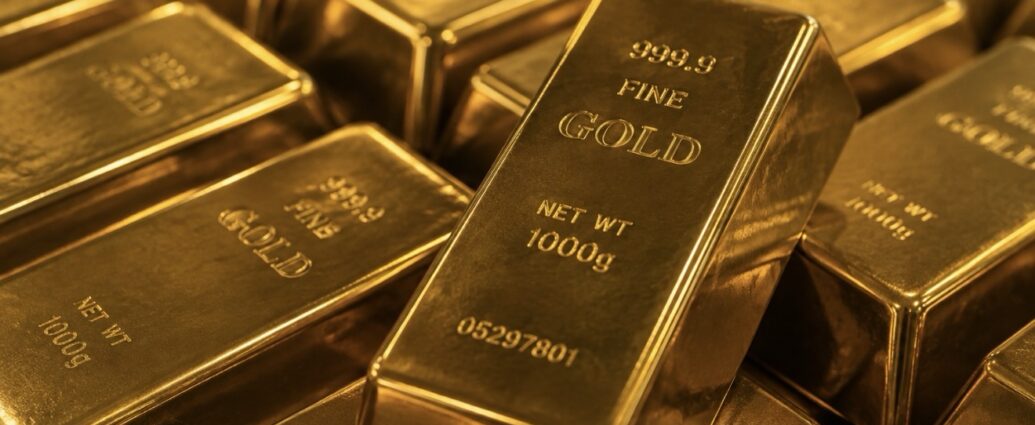
Gold shot higher Wednesday for a simple reason: traders now believe the Strait of Hormuz may reopen, and if oil starts moving through that waterway again, fuel prices come down, inflation cools, and the Federal Reserve has less reason to keep raising interest rates. Gold pays no interest, so anything that lowers the odds of a rate hike makes it more attractive to hold. Spot gold traded near $4,244 an ounce after the close Wednesday, up 4.11% on the session, while spot silver stood at $61.88, up 4.16% — putting bullion at its strongest level in roughly seven weeks and delivering its biggest one-day gain since early February.
The catalyst came out of the Gulf. Iran said it had reached an agreement with Oman on a proposed shipping route through the Strait of Hormuz, a potential step toward reopening the critical waterway for energy supplies. A joint statement from Tehran and Muscat is under review and in final drafting, Iranian Foreign Ministry spokesman Esmail Baghaei told reporters Wednesday, adding that a deal would be struck if certain third parties do not obstruct the process.
The mechanics under discussion are unusual. Ships would enter the Persian Gulf through an Iranian-controlled route and exit through a route controlled by Oman, with service fees charged for security and protecting the maritime environment, two regional officials said. That fee structure is where Washington and Tehran remain far apart. The U.S. has said it is strongly opposed to any arrangement that would see Iran charge fees for passage. Gulf states and the United States hold that navigation must remain free under the UN Convention on the Law of the Sea, while Tehran insists it holds sovereign control of the waterway.
President Trump kept expectations alive Tuesday evening. Asked by reporters traveling with him in California whether an announcement was imminent, he said, “It could happen. Tomorrow or the next day,” adding that a lot of progress had been made.
There is still no signed deal. Iranian state media reported that the agreement would not immediately reopen the strait, and that any reopening depends on a change in U.S. behavior — specifically an end to the American naval blockade of Iran’s ports. U.S. Central Command said the blockade, restarted July 14, has now redirected 48 vessels. Iranian and Omani negotiators have finalized a draft and await approval from Iran’s Supreme Leader, two regional officials said, describing the arrangement as a temporary fix.
Why this matters for American wallets: the strait once carried a fifth of the world’s oil and natural gas, and its closure has pushed up the price of fuel and basic goods far beyond the region. Every signal that the chokepoint may reopen pulls crude lower. Brent slipped toward $78 a barrel Wednesday and West Texas Intermediate traded near $74, after falling more than 10% over the previous two sessions.
Cheaper oil feeds directly into the interest-rate math. Markets are now fully pricing in a single U.S. rate increase by year-end, down from two as recently as last week. The probability of a September hike has slipped to about 57% from 67% a day earlier, according to the CME FedWatch Tool.
Wednesday’s labor data pushed in the same direction. July private payrolls rose by 44,000, well below the 75,000 consensus and down from a revised 95,000 in June, while annual pay growth for workers staying in their jobs held at 4.4%. A softer job market gives the Fed less cause to tighten.
Currency moves added another leg to the rally. A coordinated U.S.-Japan yen-buying operation pushed the dollar down from above 163 yen to below 160, easing one source of global currency stress. A weaker dollar makes gold cheaper for buyers outside the United States.
The context worth keeping in mind is how far bullion had fallen first. Gold has dropped by about a fifth since the U.S.-Iran war began in late February — an unusual pattern for a metal normally bought during conflict. Energy prices spiked after the war broke out, stoking expectations of elevated inflation and higher-for-longer interest rates, which subjected non-yielding assets like gold to heavy selling. Wednesday’s surge was that trade unwinding, not a fresh flight to safety.
The Fed itself remains split. Officials left policy unchanged for the fifth consecutive meeting last week, though three dissenters favored a hike. Kansas City Fed President Jeff Schmid has suggested higher rates may still be needed to ensure price stability, while Philadelphia Fed President Anna Paulson said she remains open-minded, citing conflicting signals on whether policy is restrictive enough.
Friday’s July employment report is the next test. If hiring comes in weak alongside a Hormuz agreement, the case for further tightening thins considerably — and gold’s floor rises with it. If the deal collapses over fees or the blockade, the metal gives back much of this week’s gain.
JBizNews Desk | New York
© JBizNews.com All Rights Reserved. Reproduction or distribution without written permission is prohibited.