WASHINGTON — The cost of feeding a family continues moving higher in 2026, and federal forecasts suggest grocery shoppers may not see much relief anytime soon.
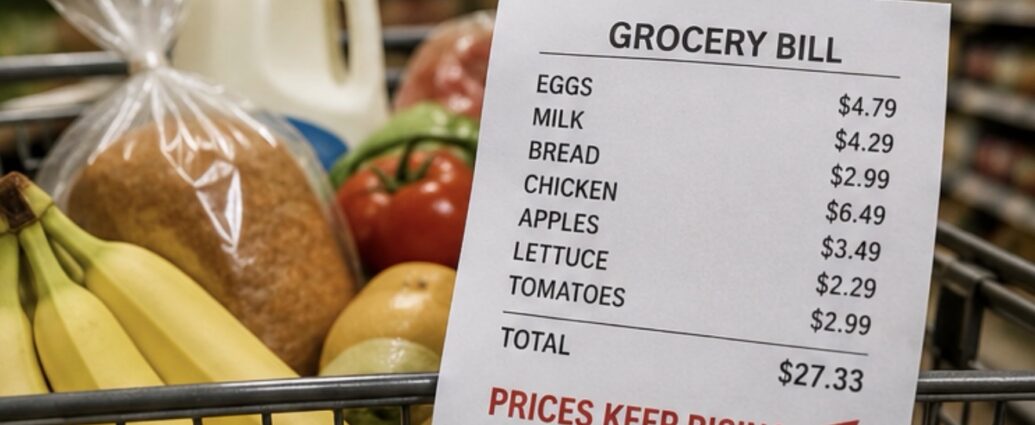
According to projections from the U.S. Department of Agriculture, overall food prices are expected to rise approximately 3.6% this year, with several common grocery categories projected to increase even faster.
Fresh produce is among the biggest concerns.
The USDA expects fresh vegetable prices to rise significantly during 2026, while fruit prices are also expected to move higher as weather challenges, transportation costs, and supply constraints continue affecting the food system.
Recent inflation data already reflects that pressure.
Grocery prices remain noticeably higher than a year ago, with consumers reporting increased costs across many everyday items found in the average shopping cart.
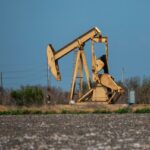
Fuel costs are playing a major role.
Higher diesel and gasoline prices increase transportation expenses throughout the food supply chain. Products must travel from farms to processors, warehouses, distributors, and eventually grocery stores. Each step becomes more expensive when fuel costs rise.
Economists warn that some of the full impact may not yet be visible.
Because food supply chains operate with delays, higher transportation costs can take weeks or months to fully work their way onto store shelves.
Weather remains another major factor.
Drought conditions and other climate-related challenges continue affecting crop yields in several agricultural regions, particularly for fruits and vegetables.
Not every category is moving higher.
Some forecasts suggest certain products, including eggs and selected dairy items, could experience more stable pricing or even modest declines if supplies improve.
Still, the overall trend remains upward.
For families, grocery inflation is particularly difficult because food is not optional. Unlike many discretionary purchases, groceries represent a recurring weekly expense that cannot easily be postponed.
As prices rise, shoppers are adapting.
Many consumers report purchasing more store-brand products, reducing discretionary food purchases, seeking promotions, and comparing prices more aggressively than in previous years.
The financial strain is becoming increasingly visible.
Consumer surveys show many households reporting greater difficulty paying monthly bills, with food costs frequently cited as one of the largest pressures on family budgets.
The business implications are significant as well.
Grocers typically operate with relatively thin profit margins, limiting their ability to absorb higher costs. Food manufacturers are also facing pressure from higher transportation, labor, packaging, and ingredient expenses.
The result is a delicate balancing act between protecting profits and keeping products affordable enough for consumers.
For shoppers, the practical advice remains familiar: compare prices, utilize store brands, watch for promotions, and plan purchases carefully.
The broader reality, however, is harder to avoid.
With fuel costs elevated, weather challenges persisting, and federal forecasts pointing toward additional increases, grocery prices are likely to remain one of the most persistent sources of financial pressure for American households throughout the remainder of 2026.
JBizNews Desk
© JBizNews.com All Rights Reserved. Reproduction or distribution without written permission is prohibited.