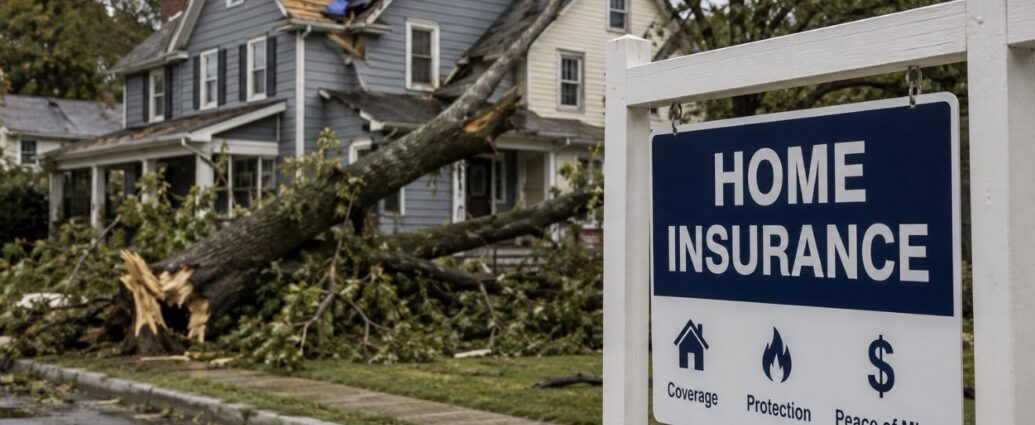
Homeowners across the United States continue facing higher insurance premiums as severe weather, rising rebuilding costs and more expensive reinsurance drive up the cost of protecting their homes.
According to a recent Pew Research Center survey, 71% of homeowners said their home insurance premiums have increased over the past several years, while 42% reported their costs had risen “a lot.”
The increases have significantly outpaced overall inflation.
The Consumer Federation of America found that average homeowners insurance premiums increased by approximately 24% between 2021 and 2024, adding roughly $648 annually and pushing the national average to about $3,300 per year.
Insurance marketplace Insurify projects premiums will continue rising during 2026, although at a slower pace than in recent years.
Analysts estimate the average annual homeowners insurance premium will reach just over $3,000, following several consecutive years of double-digit increases.
The largest premium increases continue occurring in states with greater exposure to hurricanes, wildfires, tornadoes and severe storms.
Florida remains among the nation’s most expensive insurance markets, with many homeowners paying well over $7,000 annually for coverage.
Insurance experts point to several factors driving the increases.
Natural disasters have become both more frequent and more expensive.
At the same time, higher construction costs, labor shortages and rising prices for building materials have significantly increased the cost of repairing or rebuilding damaged homes.
Insurance companies have also faced sharply higher reinsurance costs—the insurance they purchase to protect themselves from catastrophic losses—which has contributed to higher premiums for homeowners.
Some insurers have reduced their presence in high-risk states, making coverage more difficult to obtain and limiting competition.
Consumer researchers say the higher costs are influencing homeowner behavior.
Some families are increasing deductibles, reducing optional coverage or shopping more aggressively for lower-cost policies.
Others, particularly lower-income homeowners, have considered reducing coverage altogether because of affordability concerns.
Industry analysts caution that dropping adequate insurance coverage can create significant financial risk following storms, fires or other disasters.
There are some signs the market is beginning to stabilize.
Insurance rating agency AM Best recently revised its outlook for the homeowners insurance sector from negative to stable, citing improving financial conditions across the industry.
Reinsurance prices have also moderated, which could eventually help slow premium growth in some markets.
However, relief is expected to vary widely by region.
Areas facing elevated wildfire, hurricane or severe storm risks are likely to continue experiencing above-average insurance costs.
For homeowners preparing to renew policies, consumer advocates recommend comparing quotes from multiple insurers, reviewing coverage limits regularly and documenting home improvements that may qualify for premium discounts.
Roof upgrades, impact-resistant materials and other mitigation measures can sometimes reduce insurance costs depending on the insurer and location.
For the housing market, rising insurance premiums have become an increasingly important affordability issue alongside mortgage rates and property taxes.
As insurance costs consume a larger share of monthly housing expenses, they are influencing where Americans choose to buy homes and how much they can afford.
This article is for informational purposes only and should not be considered insurance or financial advice.
JBizNews Desk | Washington
© JBizNews.com All Rights Reserved. Reproduction or Distribution without Written Permission is Prohibited.