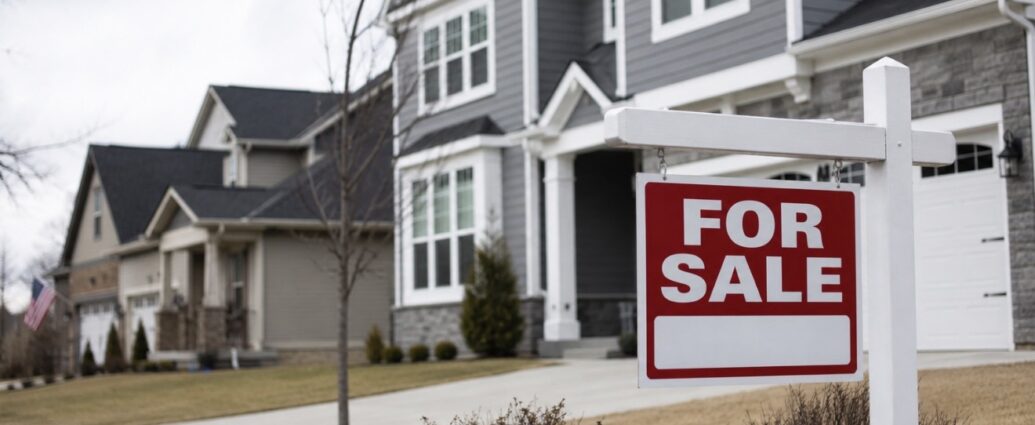
The U.S. homeownership rate remained unchanged during the second quarter as elevated mortgage rates, high home prices and affordability challenges continued preventing many Americans from purchasing homes, according to housing data released Tuesday by the U.S. Census Bureau. The report highlights the growing divide between homeowners who secured low mortgage rates in recent years and prospective buyers struggling to enter the housing market.
The national homeownership rate held steady at 65.0%, matching the same period a year ago. At the same time, the homeowner vacancy rate remained historically low at 1.2%, while the rental vacancy rate measured 7.3%, indicating rental supply has improved modestly even as homeownership remains difficult to attain.
For businesses, the report reinforces the continuing impact housing affordability is having across the broader economy.
High borrowing costs and limited inventory have reduced home sales, affecting mortgage lenders, real estate brokers, homebuilders, furniture retailers, appliance manufacturers and contractors that typically benefit when families purchase homes.
The data also suggests many households continue delaying homeownership.
Mortgage rates remain well above the historically low levels seen just a few years ago, while home prices in many metropolitan areas have remained near record highs despite slower sales activity. Higher insurance premiums, property taxes and maintenance costs have further increased the financial burden of owning a home.
For employers, housing affordability has become an increasingly important workforce issue.
Businesses attempting to recruit employees in expensive metropolitan markets often face challenges because workers struggle to find affordable housing near their jobs. Some employers have expanded relocation assistance or remote work options as housing costs continue influencing hiring decisions.
Apartment owners and multifamily developers are experiencing a different environment.
Although rental vacancies have increased modestly, demand for apartments remains relatively strong as many would-be homebuyers remain renters longer than originally planned. New apartment construction has also added supply in several markets, helping ease pressure on rents in some regions.
The report highlights a growing divide between existing homeowners and first-time buyers.
Millions of homeowners continue benefiting from mortgage rates below 4%, reducing the financial incentive to sell and purchase another property at today’s significantly higher financing costs. That has contributed to limited inventory entering the market, making competition more difficult for younger buyers.
Homebuilders continue attempting to address affordability through smaller homes, mortgage-rate buy-down programs and other buyer incentives.
However, elevated construction costs, labor shortages and land prices continue limiting how much builders can reduce prices while maintaining profitability.
Financial institutions are also monitoring the trend closely.
Slower home sales translate into reduced mortgage originations and lower refinancing activity, affecting banks, mortgage lenders and companies throughout the housing finance industry.
For investors, Tuesday’s report suggests the housing market remains constrained rather than collapsing.
Demand for homeownership continues exceeding available inventory in many communities, but affordability challenges are preventing many buyers from completing purchases.
For the broader business community, the Census Bureau’s latest figures demonstrate that housing affordability remains one of the most significant economic challenges facing American consumers. Until mortgage rates moderate or housing supply expands meaningfully, many households are likely to remain renters longer, reshaping consumer spending, labor mobility and business investment decisions across multiple industries.
JBizNews Desk | New York
© JBizNews.com All Rights Reserved. Reproduction or distribution without written permission is prohibited.