NEW YORK — May 14, 2026 — With the 2026 FIFA World Cup now 28 days from its June 11 opening, the U.S. hospitality industry is heading into the largest sporting event in American history with two open labor fronts in its biggest host markets and fresh evidence that the projected economic windfall is shrinking by the week. The American Hotel and Lodging Association warned in a report released Tuesday that anticipated demand “has not translated into strong hotel bookings,” with 80% of operators across the 11 U.S. host cities reporting bookings below initial forecasts and the trade group concluding that the projected lift “may fall short of expectations.” Resale ticket prices on StubHub and SeatGeek have fallen roughly 24% from a month ago, according to TicketData.com figures reported by NBC News on Thursday. And in both New York and Los Angeles — the two largest U.S. host markets, accounting for 16 of the tournament’s 78 American matches between them — hospitality unions representing roughly 42,000 workers are openly preparing for strike action that could land squarely during the tournament itself.
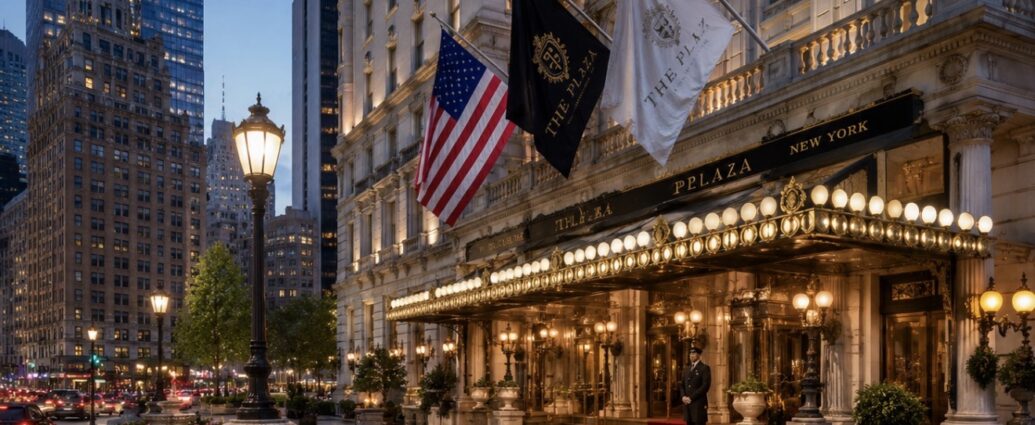
The most consequential clock is in New York. The Hotel and Gaming Trades Council, or HTC, the AFL-CIO affiliate that represents approximately 40,000 hotel and gaming workers across the New York City metropolitan area, the Capital Region, and northern New Jersey, sees its 14-year Industry-Wide Agreement with the Hotel Association of New York City expire on June 30, 2026 — eighteen days into the tournament. Eight World Cup matches are scheduled at MetLife Stadium in East Rutherford, including the July 19 final between the two finalists. HTC President Rich Maroko, a Brooklyn-based labor attorney who has run the union since 2020 and led the 2023 GRIWA negotiations that produced what the union calls the strongest renewal contract in its nearly 100-year history, told the New York City Council earlier this year that “negotiations between our union and the hotel industry will determine whether New York hosts the World Cup with stability and shared prosperity.” The union, which has spent two years building its HEAT mobilization apparatus — a system Maroko’s predecessors first created in 2005 to coordinate strike readiness — has not set a strike date but has launched a public-facing website that lets travelers search for what it markets as “strike-safe” hotels and has trained captains in every covered property.
The economic stakes are unusually direct. The current contract covers more than 27,000 workers across roughly 250 properties, with top-scale housekeepers earning approximately $39.87 an hour and a benefits package that Maroko himself has described in member messages as the gold standard of the unionized industry — covering full family medical, dental, and pension benefits with co-pays of $5 and $15 for generic and brand-name drugs. The Hotel Association of New York City, whose chief executive Vijay Dandapani represents owners across the five boroughs, has seized on that language. Dandapani said in a public statement earlier this year that “it is extremely premature for the union to threaten a strike during World Cup and put a huge economic opportunity for hotel workers and the city at risk,” noting that the New York City hotel industry has not experienced a labor dispute in 40 years and arguing the tournament could deliver a financial boost to a sector he described as in structural decline.
Albany has visibly tilted the field in the union’s favor. Governor Kathy Hochul last May signed legislation reducing the unemployment-benefit waiting period for striking workers from three weeks to two — the shortest in the country — and increased the maximum weekly benefit by roughly 75% to $869 from $504, effective October 2025. Hochul, who received roughly $500,000 in HTC political-action-committee support during her 2022 campaign, met personally with Maroko in the weeks before the deal was finalized. Senate Majority Leader Andrea Stewart-Cousins and Assembly Speaker Carl Heastie both publicly framed the legislation as backing for the union heading into 2026 negotiations. New York City Mayor Zohran Mamdani, sworn in this January, visited HTC headquarters during the Democratic primary and has framed union density as central to his anti-inequality agenda — adding another political tailwind for Maroko as bargaining intensifies. HTC also has separate consumer-protection legislation, signed into law in November 2024 under the Safe Hotels Act, that requires hotels to inform reservation-holders of strikes or picket lines and to offer full refunds — language that makes any tournament-period walkout substantially more disruptive to bookings.
In Los Angeles, the leverage point is even sharper because there is no current agreement at all. UNITE HERE Local 11, which represents roughly 2,000 cooks, servers, bartenders, and dishwashers at SoFi Stadium, has been in contract negotiations with Legends Global — the concessions company affiliated with billionaire Stan Kroenke’s Kroenke Sports & Entertainment, which also owns SoFi’s Hollywood Park site — since the prior agreement expired last year. The stadium is set to host eight World Cup matches beginning with the U.S. men’s team match against Paraguay on June 12. UNITE HERE Co-President D. Taylor has said the union is “demanding better pay, better benefits, and better working conditions for the workers who make the World Cup happen.” Members are also pushing for premium pay on mega-events, protections against subcontracting to FIFA’s official hospitality partner On Location — the Endeavor Group Holdings Inc.-owned firm that has been selling private suites at SoFi for as much as $209,000 per match — and an explicit commitment that U.S. Immigration and Customs Enforcement will not operate at the games. UNITE HERE has filed an unfair labor practice charge with the National Labor Relations Board alleging that acting DHS Director Todd Lyons’ statement that ICE would play a “key part” in tournament security undermines the union’s ability to collectively bargain.
The UNITE HERE posture is informed by a successful 2024 campaign in which the union struck Marriott International Inc., Hilton Worldwide Holdings Inc., and Hyatt Hotels Corp. properties across multiple U.S. cities over Labor Day weekend, ultimately winning wage increases that HTC members in New York have studied closely. UNITE HERE Local 11 plans to leverage the World Cup spotlight to push for the same kind of step-change in stadium and event-hospitality compensation, particularly because On Location is also the official hospitality partner of the 2028 Los Angeles Olympic Games — meaning the precedent set this summer will likely govern wages and subcontracting terms for the next mega-event cycle in Southern California.
The financial backdrop is deteriorating. In March, FIFA exercised an opt-out clause and canceled thousands of room blocks across all 16 World Cup host cities, including Philadelphia and Dallas, in what some hotel operators have characterized as an artificial early demand signal. FIFA President Gianni Infantino said this week that the tournament has sold approximately 5 million tickets and has defended its pricing strategy as necessary to undercut resellers, but Oxford Economics has cast doubt on the broader $30.5 billion economic-windfall projection that Infantino has cited, forecasting only temporary job gains in leisure and hospitality and modest GDP impact. The AHLA’s Tuesday outlook cited room-block cancellations, international travel barriers tied in part to the ongoing war with Iran and to Trump administration travel restrictions affecting visitors from 75 countries, and rising domestic costs as the principal drivers of softened hotel demand. Domestic travelers, the trade group said, are now outpacing international visitors across the 11 host cities — a near-reversal of the original demand thesis.
For the unions, the calculus is straightforward: a strike during the World Cup would attract enormous global media coverage at the precise moment when FIFA, Adidas AG, Visa Inc., Anheuser-Busch InBev SA/NV, The Coca-Cola Co., McDonald’s Corp., and Saudi Arabia’s Public Investment Fund — which became an official tournament supporter Thursday — are all looking to monetize their largest sports sponsorship of the year. For ownership groups, the same dynamic cuts the other way: industry executives have told Crain’s New York Business they believe the tournament’s revenue importance will discourage disruptive labor action because workers themselves stand to lose substantial overtime and tip income. Legends Global declined to comment on its negotiations with UNITE HERE Local 11. A spokesperson for Hollywood Park deferred to Legends Global. FIFA did not respond to email requests for comment.
For investors with exposure to the publicly traded U.S. hotel sector — Marriott, Hilton, Hyatt, and Host Hotels & Resorts Inc., the largest U.S. lodging real-estate investment trust — the next four weeks will determine whether the World Cup delivers the marquee tailwind operators expected or instead becomes the costliest hospitality labor showdown in a generation. The first kickoff is 28 days away.
— JBizNews Desk
© JBizNews.com. All rights reserved. This article is original reporting by JBizNews Desk. Unauthorized reproduction or redistribution is strictly prohibited.