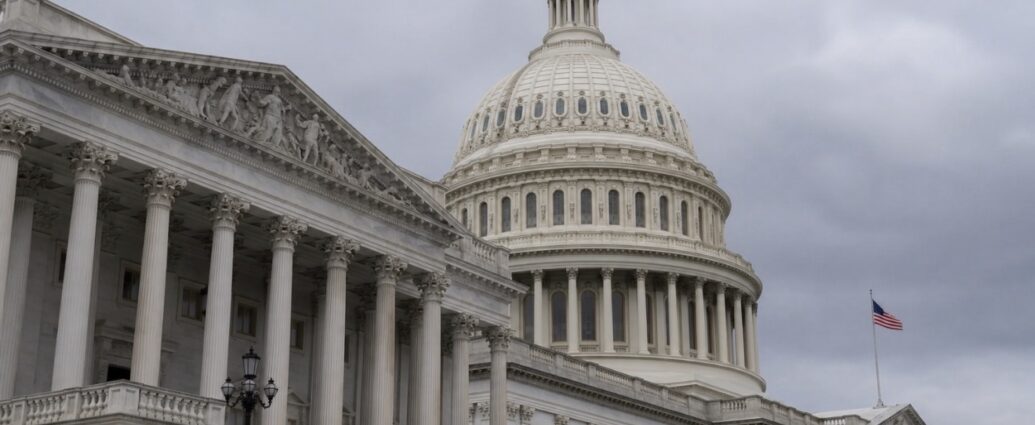
WASHINGTON — The U.S. House of Representatives on Wednesday, July 22, approved a Republican budget resolution that lays the foundation for a $95 billion budget reconciliation package, advancing one of the Trump administration’s top legislative priorities before lawmakers leave for the August recess. The measure passed by a narrow 216-214 vote and now shifts attention to the Senate, where Republicans face procedural and political hurdles before the package can become law.
The vote does not authorize spending by itself. Instead, it establishes budget instructions allowing House committees to draft legislation that can later be combined into a reconciliation bill, a process that enables certain budget-related measures to pass the Senate with a simple majority rather than the traditional 60-vote threshold. That procedural advantage has made reconciliation one of the most powerful legislative tools available to a congressional majority.
Under the framework approved Wednesday, Republicans would be permitted to assemble legislation providing $60 billion for the Department of Defense, $13 billion for intelligence and national security programs, $12 billion in assistance for U.S. farmers, and $10 billion for grants helping states implement voter identification requirements, together totaling up to $95 billion. Supporters argue the package addresses national security needs, agricultural relief, and election administration priorities.
Speaker Mike Johnson and House Republican leaders pressed for passage after the White House urged lawmakers to move quickly on funding tied to military operations involving Iran while also advancing domestic priorities. The close vote reflected continued divisions within the Republican conference, with some conservatives objecting that the proposal does not include offsetting spending reductions, while Democrats opposed both the funding priorities and the election-related provisions.
For businesses and financial markets, the vote signals that Congress is preparing another significant fiscal package even as lawmakers continue negotiations over annual government funding ahead of the September 30 fiscal deadline. Defense contractors, agricultural suppliers, election technology vendors, and companies serving federal agencies could all monitor the legislation closely as committees begin writing the underlying bill. Because the House resolution is only the procedural first step, the final legislation could differ substantially from the blueprint approved Wednesday.
The Senate’s path remains uncertain. Senate Republicans must determine whether every provision complies with the chamber’s reconciliation rules, including the Byrd Rule, which limits what can be included in budget reconciliation legislation. Provisions that fail those tests could be removed or rewritten before a final package reaches the Senate floor.
Congressional committees are expected to begin drafting the detailed legislative text in the coming weeks. Any final reconciliation bill would still require approval by both chambers before being sent to President Donald Trump for his signature.
JBizNews Desk | Wall Street
© JBizNews.com. All Rights Reserved. Reproduction or distribution without written permission is prohibited.