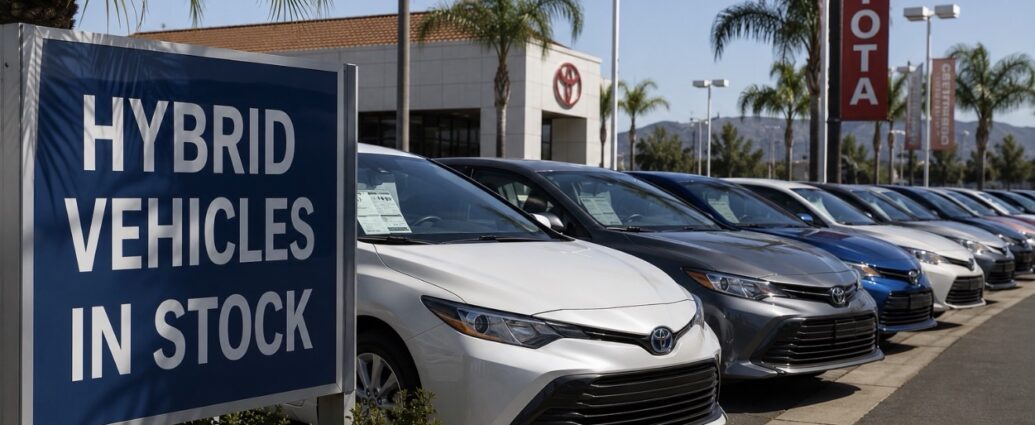
Policy changes are the clearest driver. The federal $7,500 EV tax credit expired on Sept. 30, Congress revoked California’s Clean Air Act waivers in June, and legislation zeroed out fuel-economy penalties—prompting a broad retreat by traditional automakers. Sales of EVs by legacy manufacturers fell from roughly 10% of their volume to around 5%, a sharper drop than at EV-only brands, as canceled models and tariff-driven supply uncertainty cut buyers off from the vehicles they wanted and pushed many toward gasoline hybrids.
The Iran war has sharpened the calculus in both directions. Higher pump prices give fuel-sipping hybrids a fresh selling point, while the same energy shock has fed the supply and cost pressures weighing on EV availability. With federal incentives gone, Governor Gavin Newsom has proposed a $200 million state rebate program—requiring matching funds from automakers, with income limits—to offset the lost credits and shore up sales.
The national picture mirrors the state’s. EV sales across the U.S. fell 27% year over year to 216,399 units, barely 5.8% of the new-car market. Dealers say the appeal of the hybrid is simple: much of the fuel savings without the charging anxiety, at a moment when the policy tailwinds behind pure electrics have largely reversed.
JBizNews Desk | Sacramento, Calif.
© JBizNews.com All Rights Reserved. Reproduction or distribution without written permission is prohibited.