Investors are pulling billions of dollars from some of the nation’s largest private credit funds, creating the biggest test yet for an industry that has grown into a roughly $2 trillion market and become a major source of financing for American businesses.
According to new data from investment bank Robert A. Stanger & Co., investors in four major private credit funds, including vehicles managed by Blackstone and BlackRock, requested approximately $12 billion in withdrawals during the second quarter, compared with $7.7 billion in redemption requests during the previous quarter. The surge comes as fundraising across the sector slows sharply and redemption requests increasingly exceed new investor inflows.
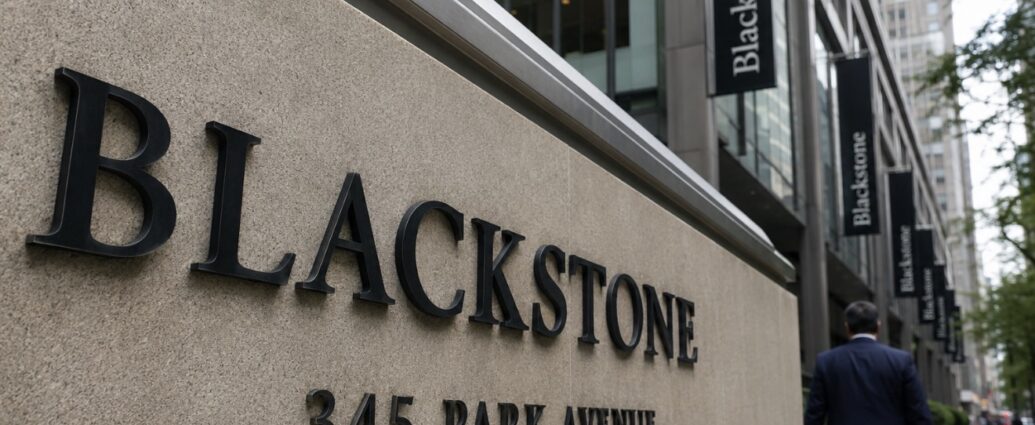
The largest fund under pressure is the $79 billion Blackstone Private Credit Fund (BCRED). Investors sought to redeem roughly 10% of fund shares during the quarter, up from 7.9% in the first quarter. Because BCRED limits quarterly withdrawals to 5% of outstanding shares, the fund capped redemptions for the first time in its history.
The situation is even more pronounced at BlackRock’s HPS Corporate Lending Fund (HLEND). Investors requested withdrawals equal to 13.3% of shares, up from 9.3% in the prior quarter. Since the approximately $26 billion fund also limits quarterly repurchases to 5%, investors will receive only about 38 cents for every dollar they sought to withdraw.
Private credit funds have become increasingly popular among wealthy individuals seeking higher yields than traditional bond investments. Many operate as Business Development Companies (BDCs), lending to midsize companies that often have weaker credit profiles than firms able to borrow in public debt markets.
The model works well when money is flowing in. The challenge arises because the loans held by these funds are difficult to sell quickly, while investors expect periodic access to their capital. Most funds therefore limit withdrawals to roughly 5% per quarter, creating a potential bottleneck when redemption requests surge.
That mismatch is now being tested.
Investor concerns began growing late last year amid worries about rising defaults and weakening credit quality. Anxiety intensified this year as investors focused on potential losses tied to software and technology-sector borrowers. At the same time, fundraising has slowed dramatically.
Stanger data shows fundraising for non-listed BDCs fell 74% in April compared with a year earlier, reaching its lowest monthly level since May 2023. For the first time, quarterly redemption requests exceeded new investor inflows, marking a significant shift for an industry that had been accustomed to rapid growth.
If outflows continue accelerating, funds could face difficult choices. Managers may be forced to sell loans at discounted prices to raise cash or impose tighter withdrawal restrictions. Industry observers often refer to such measures as “gates,” which limit investors’ ability to access their money.
Similar situations have emerged elsewhere in private markets. A Starwood Capital real estate fund restricted investor withdrawals in 2024 after facing heavy redemption requests, highlighting how quickly liquidity concerns can emerge in assets that are difficult to sell.
The implications extend beyond individual investors. Private credit has become a critical source of financing for thousands of American companies, particularly those unable or unwilling to access traditional bank loans. A prolonged period of redemptions could reduce lending activity and tighten credit conditions across portions of the economy.
Major fund managers insist the sector remains healthy.
Blackstone says BCRED has more than $15 billion in available liquidity, with loan repayments continuing to exceed redemption obligations. Speaking at an industry conference this month, Blackstone President Jonathan Gray argued that concerns about widespread stress are overblown and said private credit continues to offer attractive returns compared with traditional fixed-income investments.
Not everyone is convinced.
Analysts at Barclays recently warned that outflows could continue to increase in coming quarters. Morningstar, meanwhile, has given positive ratings to only four of 18 semiliquid private funds it follows, citing concerns over fees, leverage, and borrowing costs.
Morningstar analyst Brian Moriarty said prolonged periods of maximum redemption requests may become the norm, shifting attention from whether outflows occur to whether funds have sufficient liquidity to manage them.
There are signs conditions may not be deteriorating everywhere. Analysts at Evercore described Blackstone’s redemption figures as better than many investors had feared, while at least one private credit fund managed by Oaktree Capital Management reported easing withdrawal requests during the quarter.
Investors will soon get a broader picture of the industry’s health as funds managed by Apollo Global Management, Ares Management, and Blue Owl Capital release their latest redemption figures.
For now, one trend remains clear: more investors are trying to leave private credit funds than enter them, creating the industry’s most significant liquidity test since its rise to prominence.
JBizNews Desk
Wall Street
© JBizNews.com All Rights Reserved. Reproduction or distribution without written permission is prohibited.