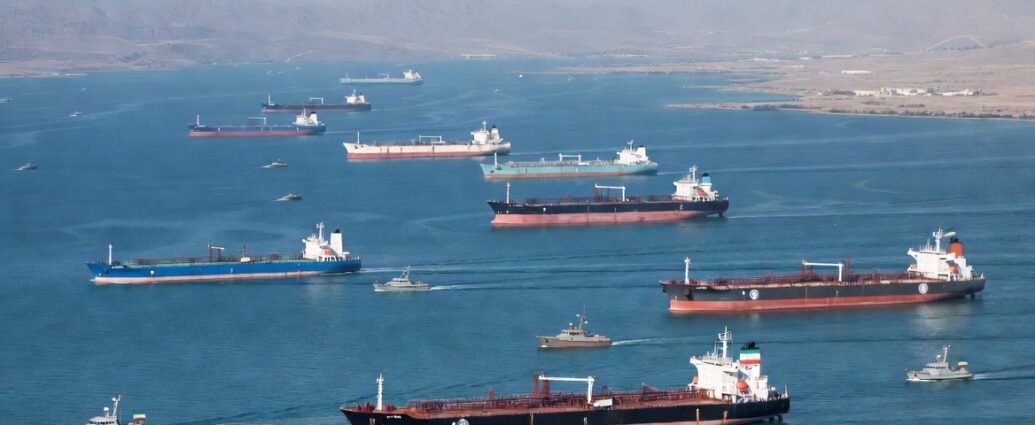
TEHRAN — Iran has begun collecting transit fees from vessels passing through the Strait of Hormuz, a move that is raising alarm across global energy markets and intensifying tensions with the United States and its allies.
Hamidreza Hajibabaei, deputy speaker of Iran’s parliament, confirmed Thursday that the first revenues from the toll system have already been deposited into accounts at the country’s central bank. “The implementation of transit fees has begun,” Hajibabaei said in remarks carried by state-affiliated media, signaling that the policy is now operational.
The toll structure, according to Iranian lawmakers including Abbas Papizadeh and Alireza Salimi, is calculated based on vessel type, cargo volume, and perceived risk factors. While officials did not disclose total revenues, analysts estimate the system could generate as much as $20 million per day from oil shipments alone, underscoring the financial stakes involved.
The development comes amid a broader escalation in the region following a U.S.-led naval blockade of Iranian ports earlier this month. The U.S. Navy confirmed that dozens of vessels have been forced to reroute or turn back since the blockade was imposed, contributing to growing disruption in global shipping flows.
Iranian President Masoud Pezeshkian indicated that the country intends to maintain tight control over access to the strait, citing ongoing disputes with Washington. “The continuation of restrictions is tied to unresolved issues, including sanctions and security guarantees,” Pezeshkian said, pointing to stalled negotiations over Iran’s nuclear program and regional policies.
The Strait of Hormuz is one of the world’s most critical energy chokepoints, historically accounting for roughly 20% of global oil shipments. Any disruption or additional cost imposed on transit through the waterway has immediate implications for oil prices, shipping insurance, and global supply chains.
U.S. officials have pushed back strongly against Iran’s actions. Secretary of State Marco Rubio stated at a recent G7 meeting that the United States would not accept any scenario in which Iran profits from restricting access to international waterways. “Freedom of navigation is a core principle of global commerce,” Rubio said, reflecting a broader consensus among Western governments.
Legal experts have also raised concerns about the legitimacy of the toll system under international law. Analysts citing the United Nations Convention on the Law of the Sea note that the strait qualifies as an waterway where vessels are entitled to “innocent passage” without undue interference or fees. The imposition of tolls could therefore face legal challenges and diplomatic pushback.
Beyond the immediate legal and political implications, the move has sparked fears of a broader precedent. Some analysts warn that allowing tolls in the Strait of Hormuz could encourage similar actions in other strategic waterways, including the Taiwan Strait, potentially reshaping global maritime norms.
For energy markets, the situation remains highly fluid. Traders are closely watching shipping volumes, insurance costs, and military developments in the region, all of which could influence oil prices in the weeks ahead.
With tensions unresolved and enforcement now underway, the Strait of Hormuz has effectively become both a geopolitical flashpoint and a financial lever — one that could reverberate across the global economy.
-JBizNews Desk