Move threatens oil supplies, shipping traffic, and gasoline prices just days after a U.S.-Iran interim agreement appeared to calm global energy markets.
On Saturday, Iran’s top joint military command declared the Strait of Hormuz closed to commercial shipping, blaming continued Israeli strikes in Lebanon and what it called American bad faith. The Islamic Revolutionary Guard Corps Navy warned vessels to stay away from the waterway, saying their safety could not be guaranteed if they attempted to cross. Iranian state television added that “subsequent steps have been planned” if the strikes continue.
The announcement immediately raised concerns across global energy markets, where traders had been hoping the worst disruptions of the four-month conflict were finally coming to an end.
The trigger was overnight violence in Lebanon. Israeli strikes in southern Lebanon killed at least 16 people, including two children, according to Lebanese authorities. Iran condemned the operation as a violation of the ceasefire framework that underpins the broader peace process.
The United States quickly disputed Tehran’s claim that it had effectively shut the waterway. Capt. Tim Hawkins, a spokesman for U.S. Central Command, said “Iran does not control the Strait of Hormuz” and that maritime traffic was continuing to move through the channel.
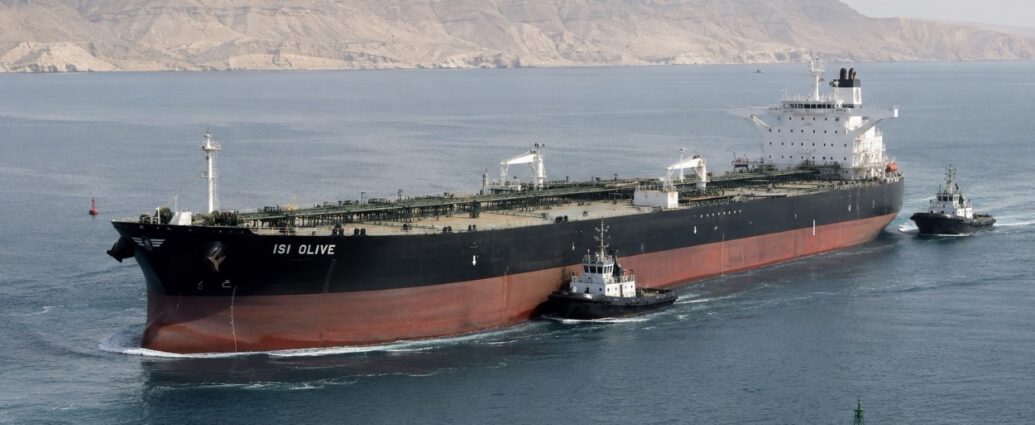
According to CENTCOM, 55 merchant ships transited the strait on Saturday carrying more than 17 million barrels of oil, suggesting that commercial traffic had not stopped despite Tehran’s declaration.
The competing narratives emerged just as Vice President JD Vance departed Washington for Switzerland to participate in a new round of negotiations aimed at stabilizing the region.
Speaking before leaving Joint Base Andrews, Vance said he expected several days of discussions at Bürgenstock, focused on Iran’s nuclear program and the increasingly fragile ceasefire arrangements affecting Lebanon and the broader region.
The talks are intended to build on the interim agreement signed Wednesday by President Donald Trump and Iranian President Masoud Pezeshkian. That agreement ended nearly four months of conflict that began on Feb. 28, established a 60-day negotiating window for a comprehensive settlement, and included provisions calling for the reopening of the Strait of Hormuz without tolls or restrictions.
Late Saturday, Trump weighed in on the growing dispute through Truth Social, reiterating that there would be no tolls imposed on ships passing through the strait during the 60-day negotiating period.
The president added that no tolls would be imposed afterward either unless the United States determined such charges were necessary should the parties fail to reach a final agreement. Trump described any future fees as compensation for American security efforts protecting regional shipping lanes.
The renewed confrontation carries implications far beyond the Middle East.
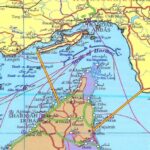
The Strait of Hormuz remains the world’s most important oil chokepoint. Between 13 million and 20 million barrels of oil per day typically move through the narrow passage connecting the Persian Gulf to global markets. Roughly one-fifth of the world’s seaborne oil trade depends on uninterrupted access to the route.
There is currently no alternative transportation network capable of replacing that volume.
When Iran previously closed the strait during the conflict, the impact was immediate. Brent crude oil surged above $120 per barrel, gasoline prices rose sharply across the United States, and some California drivers paid more than $6 per gallon.
The International Energy Agency described the disruption as the largest oil supply shock in modern market history.
Energy markets had begun recovering in recent days. Following the interim agreement and signs that shipping traffic was returning to normal, Brent crude settled Friday at $80.57 per barrel, well below wartime highs.
Tanker traffic had also started to rebound. Officials noted that a recent single-day export total exceeded 16 million barrels, one of the strongest shipping days since the conflict began.
Saturday’s announcement now threatens to reverse that progress.
Because commodity markets are closed during the weekend, traders will not be able to react until Monday. Analysts will be watching closely to see whether energy markets view Tehran’s declaration as symbolic political pressure or as a credible threat to global shipping.
If investors conclude that supplies are once again at risk, the war-risk premium that recently disappeared from crude prices could return quickly.
Iran also announced new requirements for commercial shipping. Tehran said vessels crossing the strait would need insurance approved by its newly created Persian Gulf authority.
Even if shipping technically remains open, additional insurance requirements could increase costs, slow transit times, and create new uncertainty for global logistics providers.
For American consumers, the consequences could be felt rapidly.
Higher crude oil prices typically translate into increased costs for gasoline, diesel fuel, aviation fuel, shipping, and freight transportation. During the earlier phase of the conflict, airlines imposed new fees, shipping companies added fuel surcharges, and transportation costs rose throughout supply chains.
A prolonged disruption would likely place renewed upward pressure on those expenses.
Despite the escalating rhetoric, diplomatic efforts continue.
Special envoy Steve Witkoff and Jared Kushner were already in Switzerland on Saturday working through technical details ahead of the formal negotiations. Technical-level discussions are scheduled to begin Sunday at Bürgenstock, with Pakistan and Qatar serving as mediators.
Iran’s delegation includes Parliament Speaker Mohammad-Bagher Ghalibaf, one of the country’s most influential political figures.
Iranian Foreign Ministry spokesman Esmail Baghaei said the delegation would use the talks to demand that other parties fulfill their obligations before Tehran agrees to any final settlement.
Whether the Strait of Hormuz remains open through the weekend may ultimately shape the atmosphere surrounding those negotiations and determine how global markets respond when trading resumes Monday.
JBizNews Desk
© JBizNews.com All Rights Reserved. Reproduction or distribution without written permission is prohibited.