By JBIZnews Staff
May 1, 2026
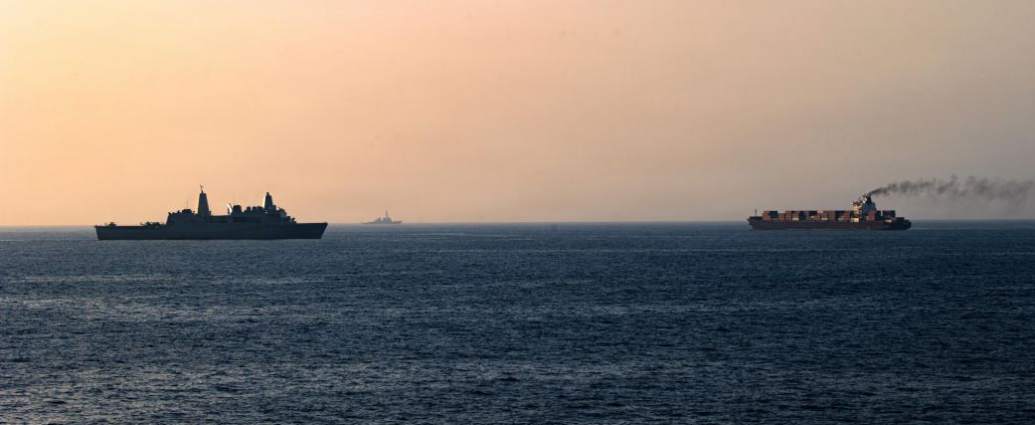
Iran has delivered a fresh proposal to the United States via Pakistani mediators aimed at breaking the deadlock over the Strait of Hormuz, even as the U.S. naval blockade on Iranian ports remains firmly in place.
The latest offer, conveyed on Thursday, calls for Iran to reopen the strategically vital waterway — through which roughly 20% of global oil and significant LNG volumes flow — in exchange for the U.S. lifting its blockade on Iranian ports and agreeing to a permanent end to the ongoing conflict. Discussions on Tehran’s nuclear program would be deferred to a later phase, according to officials familiar with the proposal.
The proposal comes amid a fragile ceasefire that took hold in early April following months of direct U.S.-Israeli military action against Iran. The U.S. imposed the naval blockade on April 13 after direct talks in Islamabad collapsed, aiming to choke off Iran’s oil export revenues and increase pressure on the regime.
President Donald Trump has already signaled strong rejection of the Iranian plan. In recent comments, Trump stated the blockade will stay in effect until Tehran agrees to a comprehensive deal addressing U.S. concerns over its nuclear ambitions. “They want to settle. They don’t want me to keep the blockade. I don’t want to lift the blockade because I don’t want them to have a nuclear weapon,” Trump told Axios.
The standoff has sent shockwaves through global energy markets. Brent crude briefly surged above $126 per barrel this week — its highest level since 2022 — as traders priced in prolonged disruption risks. Analysts warn that any extended closure or blockade could further strain supply chains and push gasoline prices higher heading into the critical summer driving season.
Iranian officials, including President Masoud Pezeshkian, have described the U.S. blockade as “doomed to fail” and contrary to international law, while vowing to safeguard the country’s nuclear and missile capabilities. Tehran has also floated the idea of new rules for managing traffic through the Strait of Hormuz.
Negotiations remain in flux, with Pakistani back-channel diplomacy continuing and Iranian Foreign Minister Abbas Araghchi holding talks in Russia. A revised Iranian proposal could emerge as early as today, sources indicate, though the White House has given no firm deadline for resolving the crisis.
The impasse underscores the high stakes for global trade and energy security, as both sides dig in over sequencing: Iran prioritizes immediate relief from the blockade, while Washington insists nuclear safeguards come first.
JbizNews Desk – International