Washington — Iran can sell its crude on the open market for the first time since 2018 under an interim agreement that President Trump and Iranian President Masoud Pezeshkian signed on Wednesday, according to U.S. officials who briefed reporters on the text. The deal waives U.S. sanctions on Iranian oil and ends the American naval blockade that had choked off shipments during the war.
Trump announced the breakthrough on his Truth Social account, writing that he had authorized the toll-free reopening of the Strait of Hormuz and the immediate removal of the U.S. blockade. “Let the oil flow!” he wrote. Pakistani Prime Minister Shehbaz Sharif, who helped mediate, said the agreement took effect once both leaders signed.
The terms restore much of the status quo from before the fighting. The United States agreed to waive — but not yet permanently lift — sanctions on Iranian oil sales, allowing Tehran to seek buyers worldwide instead of relying on discounted shipments to China through a shadow fleet. The interim deal also opens a 60-day window for talks on a final agreement covering Iran’s nuclear program, with a promise to eventually end all U.S. sanctions if Iran cooperates.
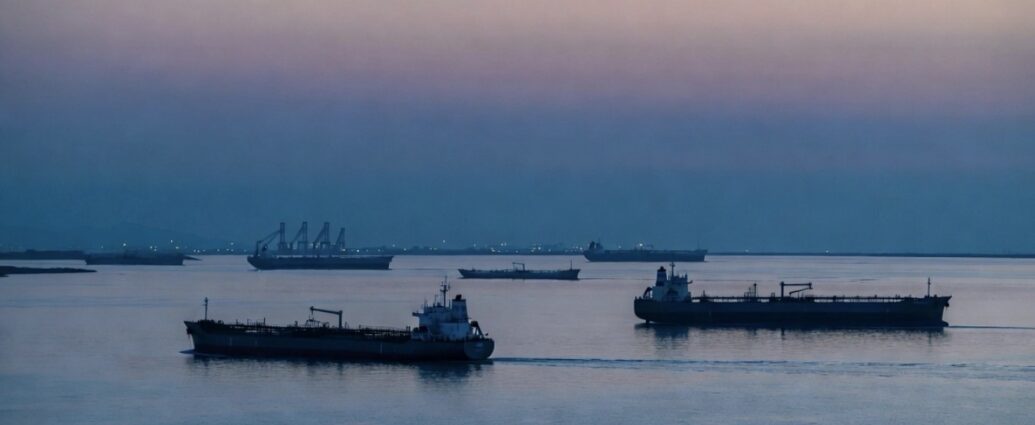
There are catches. Under the deal, the Strait of Hormuz is toll-free for only 60 days, after which Iranian officials have signaled they may charge ships a service fee. Iran has agreed to let commercial vessels pass safely, and the waterway — which carried roughly a fifth of the world’s oil before the war — is meant to return to pre-war traffic within 30 days. But mines laid during the conflict are still being cleared, and the U.S. and other navies are working to make the route safe.
For oil markets, the effect was immediate. Prices fell sharply after the announcement as traders bet on more supply reaching the market. At the peak of the conflict, the strait’s effective closure pushed crude above $100 a barrel and reignited inflation in the United States. A return of Iranian barrels could ease that pressure over time.
Drivers should not expect relief at the pump right away. Summer demand is high, refiners need time to adjust, and the government may move to refill strategic reserves. Analysts who study Gulf supply expect a gradual recovery rather than a sudden flood, with full output possibly stretching into 2027 as Iran restarts idled fields and clears port backlogs. Iran earned an estimated $45 billion from oil last year even under sanctions, much of it sold at a discount.
The agreement also lays out a $300 billion fund for rebuilding Iran, to be financed by Gulf partners rather than the United States, with details to be worked out over the next two months. Vice President JD Vance said the economic incentives depend on Iran changing its behavior and complying fully.
The deal is already drawing fire in Washington, where critics call the oil waiver and the path to lifting all sanctions major concessions that go beyond the 2015 nuclear accord. It also marks a setback for Israeli Prime Minister Benjamin Netanyahu, who has faced criticism at home as the terms became public.
For everyday families and businesses, the stakes are practical. Cheaper energy eventually filters into lower costs for shipping, manufacturing, and the goods on store shelves. Shippers, refiners, and energy traders are watching closely, and tankers have already begun moving again, with buyers in India and across Asia showing renewed interest.
How fast Iran ramps up will shape oil balances heading into late 2026. For now, the guns are quiet, the strait is open, and the oil is moving — but the toughest questions, from sanctions to the nuclear file, are pushed into a 60-day negotiation that could still unravel.
JBizNews Desk | New York
© JBizNews.com All Rights Reserved. Reproduction or distribution without written permission is prohibited.