Israel and Hezbollah agreed to a fresh ceasefire in Lebanon on Friday, June 19, 2026, halting the deadliest flare-up of the war just as it threatened to wreck the broader effort to end the fighting across the region. A senior U.S. official said the truce took eff The Times of Israelect at 4 p.m. local time and was brokered by the United States and Qatar through talks with Israel and Iran respectively, an arrangement the official said further highlighted Tehran’s ability to influence events in Lebanon. Reuters first reported the agreement, which three diplomats briefed on it confirmed to CBS News. CBS News
The deal came together only after the bloodiest day on the Lebanon front in weeks. Lebanese authorities said Israeli airstrikes killed 18 people, while Israel said four of its soldiers were killed in one of Hezbollah’s deadliest attacks of the war CBC News. The Israeli military said its troops struck 150 targets and killed dozens of Hezbollah operatives in southern Lebanon The Times of Israel before the truce took hold.
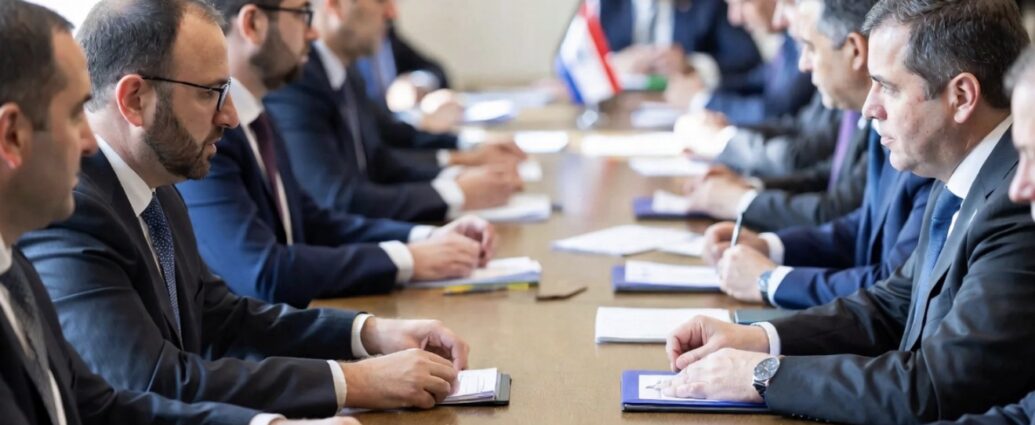
The same escalation forced a postponement of the most important diplomacy of all. Peace talks between the United States and Iran, set for Friday in Switzerland, were called off after Iran held back its delegation amid the Lebanon strikes. Iran’s Foreign Ministry said the Switzerland meeting had been postponed, with arrangements underway for talks in the coming days. The Times of Israel
For Israeli Prime Minister Benjamin Netanyahu, the moment was politically delicate. He stayed mum on the new ceasefire itself while touting the military’s strikes on his personal social media accounts, saying troops had hit Hezbollah “just as I instructed.” The Times of Israel The mixed message captured the strain inside Israel’s government, where hardline ministers have insisted the military will not be bound by the wider U.S.-Iran agreement.
That agreement is the thread connecting everything. The interim U.S.-Iran deal reached days earlier stipulated that all fighting on all fronts, including Lebanon, must end immediately NBC News. Lebanon was the loophole that kept reopening: earlier ceasefire arrangements tied to the Iran war did not formally include Lebanon, contributing to continued hostilities Wikipedia, and Hezbollah had rejected an earlier conditional truce that called for it, but not Israel, to stop attacks NPR. Friday’s deal is the latest attempt to close that gap.
For businesses watching from a distance, the relevance runs straight through the energy market. Since the war began in late February, oil has carried a risk premium tied to fears over the Strait of Hormuz, the shipping lane that moves a large share of the world’s crude. Every flare-up revives the worry that the corridor could be disrupted; every ceasefire eases it. A durable calm in Lebanon removes one source of that anxiety, which can take some pressure off oil prices, gasoline costs, and the shipping and insurance bills that ripple through global supply chains.
The stakes are just as real for inflation at home. Energy has been the main force pushing U.S. prices back up this year, and the longer the conflict drags on, the longer markets expect inflation to stay elevated — keeping the Federal Reserve cautious and borrowing costs high. A genuine step toward de-escalation, if it holds, is the kind of development that could eventually loosen that grip.
But the history of this conflict counsels caution. A ceasefire was reached in mid-April, establishing a short truce meant to create conditions for further negotiations Wikipedia, and U.S.-mediated talks in Washington in early June produced a conditional arrangement Al Jazeera that Hezbollah then rejected. Each pause has bought time without resolving the core disputes over Israeli forces in southern Lebanon and the future of Hezbollah’s weapons.
What makes Friday’s agreement notable is who delivered it. The role of Qatar, working through Iran to rein in Hezbollah, points to the same channels that produced the U.S.-Iran framework and suggests the two tracks are now tightly linked. If the Lebanon ceasefire holds, it clears a major obstacle to restarting the Switzerland talks; if it collapses again, it could drag the larger negotiations down with it.
For now, the guns in Lebanon have fallen quiet, and the postponed U.S.-Iran meeting has been pushed only days, not derailed. That is a fragile kind of progress, but it is progress — and for companies that depend on stable fuel costs, steady shipping, and predictable consumer spending, even a fragile calm beats another deadly escalation. The test will be whether this ceasefire outlasts the ones before it.
JBizNews Desk © JBizNews.com All Rights Reserved. Reproduction or distribution without written permission is prohibited.