JERUSALEM / BEIRUT — April 16, 2026 —
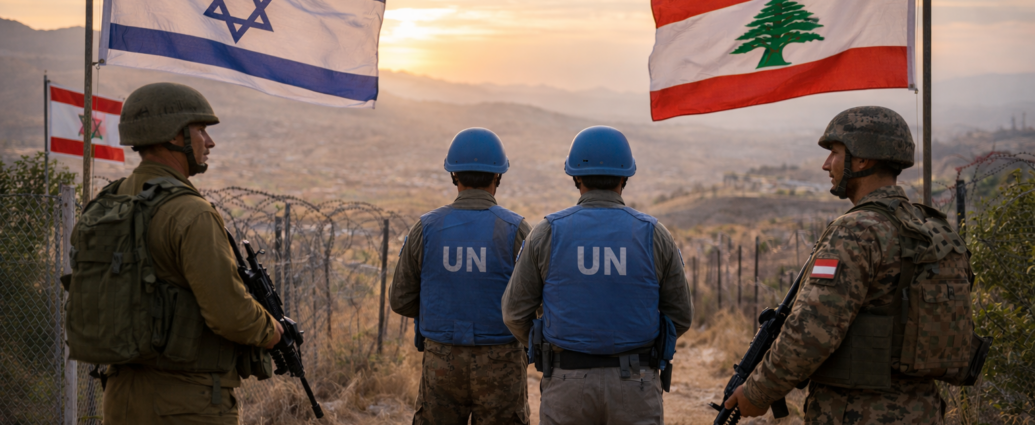
Israel and Lebanon have agreed to a 10-day ceasefire that took effect at 5 p.m. ET on Thursday, marking a significant step toward de-escalation after weeks of fighting between Israel and the Iran-backed militant group Hezbollah, with both sides signaling cautious compliance as the region watches closely to see whether the pause in hostilities can hold.
The agreement, reached following sustained international mediation efforts, appears to have resulted in an immediate reduction in cross-border fire along the northern frontier, offering a temporary reprieve in one of the region’s most volatile flashpoints. Israeli officials emphasized that security remains the top priority and that any violation of the ceasefire would be met with a firm response, while Lebanese officials described the truce as a necessary step to prevent further escalation amid ongoing economic and political strain.
Former President Donald Trump weighed in on the development, expressing hope that Hezbollah would respect the ceasefire and contribute to stability during the temporary halt in fighting. He said he hopes Hezbollah “acts nicely and well during this important period of time,” adding in a public statement that it would be a “GREAT moment for them if they do,” and calling for an end to the violence, stating, “No more killing. Must finally have PEACE!”
The ceasefire reflects broader international efforts to contain tensions and avoid a wider regional conflict, particularly as geopolitical instability continues to influence global markets and energy security. Diplomatic pressure from multiple actors was widely seen as instrumental in bringing about the temporary halt, underscoring the high stakes tied not only to regional security but also to global economic stability.
Financial markets responded with cautious optimism, as easing tensions in the Middle East typically reduce geopolitical risk premiums and support investor sentiment, particularly in energy markets sensitive to regional disruptions. Analysts note that while the immediate economic impact may be limited, a sustained ceasefire could help stabilize conditions and improve confidence across global markets.
Despite the initial calm, the situation remains fragile, with ceasefires in the region historically dependent on strict adherence by all parties. The coming days are expected to be critical in determining whether the agreement holds or gives way to renewed tensions. For now, the ceasefire provides a narrow window for de-escalation and potential diplomatic progress, even as underlying challenges remain unresolved and the region stays on alert.
JBizNews Desk- Middle East