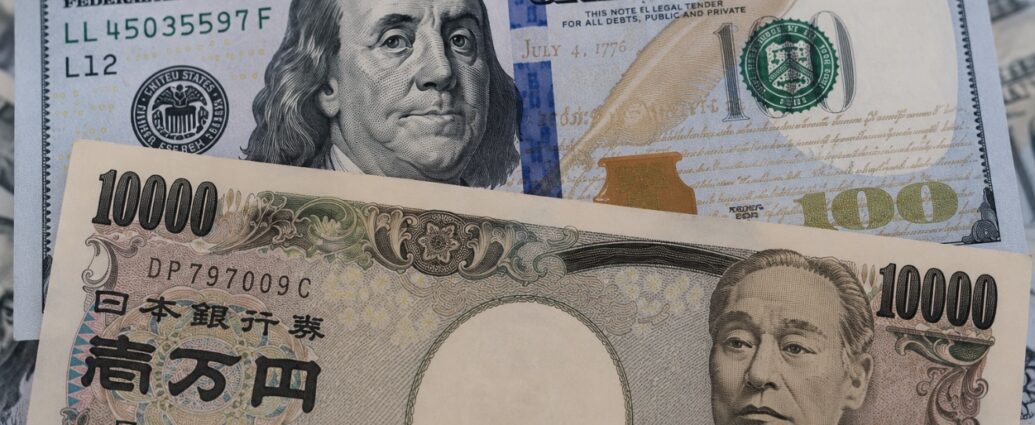
TOKYO — Japan’s yen fell beyond ¥163 per U.S. dollar on Tuesday, reaching its weakest level in more than four decades as investors continued pouring money into dollar-denominated assets while betting U.S. interest rates will remain significantly higher than Japan’s. The sharp decline comes just days before the Bank of Japan’s next monetary policy meeting, increasing pressure on policymakers to respond to the currency’s rapid slide.
The yen has been under sustained pressure for months as the gap between U.S. and Japanese interest rates continues to favor the dollar. Although the Bank of Japan has gradually moved away from years of ultra-loose monetary policy, its benchmark interest rate remains well below those in the United States, encouraging investors to borrow cheaply in yen and invest in higher-yielding assets elsewhere. That strategy has fueled persistent selling of the Japanese currency.
For investors, the weaker yen presents both opportunities and risks. Japanese exporters—including automakers, machinery manufacturers, semiconductor suppliers and technology companies—generally benefit because overseas revenue converts into more yen when earnings are brought back to Japan. Those currency gains can boost corporate profits, improve earnings reports and support stock prices across Japan’s export-heavy economy.
The picture is very different for consumers and businesses that depend on imported goods. Japan imports the overwhelming majority of its crude oil, liquefied natural gas and many food products. As the yen weakens, those imports become more expensive, increasing costs throughout the economy and placing additional pressure on inflation. Higher import prices eventually affect households through more expensive gasoline, electricity, groceries and consumer products.
The currency’s decline also creates a difficult balancing act for the Bank of Japan. Raising interest rates further could help stabilize the yen by making Japanese assets more attractive to investors, but higher borrowing costs could slow economic growth and reduce business investment at a time when policymakers are trying to sustain the country’s recovery. Government officials have repeatedly stated they are closely monitoring foreign-exchange markets and stand ready to respond to excessive volatility if necessary.
Currency traders are increasingly watching for another round of intervention by Japan’s Ministry of Finance. Authorities have previously entered foreign-exchange markets to buy yen and sell dollars when the currency weakened rapidly. While such interventions can temporarily strengthen the yen, economists generally view them as short-term measures unless accompanied by meaningful changes in monetary policy or improving economic fundamentals.
The stronger U.S. dollar has also become a challenge for global financial markets. As investors continue shifting money into dollar-denominated assets offering higher yields, currencies across Asia have faced additional pressure. The yen’s decline has become one of the most closely watched indicators because Japan remains the world’s fourth-largest economy and one of the largest holders of U.S. Treasury securities.
Financial markets will now turn their attention to the Bank of Japan’s July 30–31 policy meeting, where investors will look for any indication that officials may tighten monetary policy further or signal a greater willingness to support the currency. Any unexpected shift in policy could trigger significant volatility across global currency, bond and equity markets.
Until then, analysts expect the dollar to remain well supported while the yen continues trading under pressure. The longer the interest-rate gap between the United States and Japan persists, the greater the likelihood that investors will continue favoring the dollar, keeping Japan’s currency near its weakest levels in more than 40 years.
JBizNews Desk | Wall Street
© JBizNews.com All Rights Reserved. Reproduction or distribution without written permission is prohibited