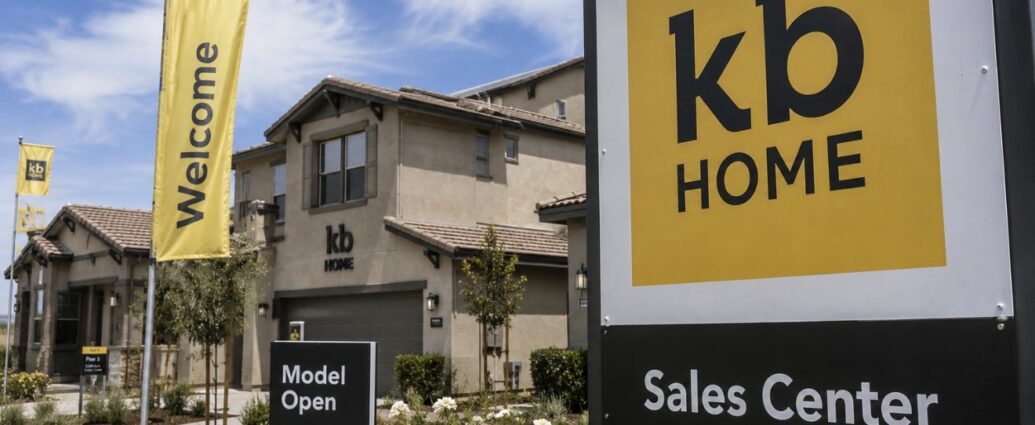
KB Home reported a sharp decline in revenue and earnings, underscoring the ongoing challenges facing the U.S. housing market as elevated mortgage rates continue to pressure affordability and keep many potential buyers from entering the market.
The homebuilder reported second-quarter revenue of $1.11 billion, down 27% from a year earlier, while diluted earnings fell to 43 cents per share from $1.50 per share during the same period last year.
Net income dropped to $27.3 million, reflecting weaker sales activity and continued pricing pressure across the housing sector.
Despite the declines, company leadership said results were generally in line with internal expectations.
Executive Chairman Jeffrey Mezger noted that the company’s performance met or exceeded the midpoint of key guidance targets issued earlier in the year.
The biggest challenge remains demand.
KB Home delivered 2,395 homes during the quarter, a decline of approximately 23% compared with the same period last year.
At the same time, the average selling price of a home fell to $461,900, down from $488,700 a year ago.
The combination of fewer deliveries and lower selling prices significantly pressured profitability.
Housing gross margin declined to 15.2%, compared with 19.3% a year earlier, while homebuilding operating margin fell to 2.5% from 8.6%.
Management attributed the decline to price reductions, incentives offered to buyers, rising land-related costs, and reduced operating leverage caused by lower sales volume.
The results reflect broader conditions across the housing market.
Mortgage rates near 6.5% continue to make homeownership difficult for many first-time buyers, while affordability concerns remain elevated in many regions of the country.
Builders have increasingly relied on incentives, mortgage-rate buy-down programs, upgrades, and price reductions to attract buyers and maintain sales activity.
While those strategies help move inventory, they often come at the expense of profit margins.
Still, there were several encouraging signs beneath the headline numbers.
The company’s cancellation rate improved to 12%, down from 16% a year earlier, suggesting buyers who enter contracts are becoming more likely to complete purchases.
Book value per share increased approximately 6% to $61.93, and the company continued returning capital to shareholders.
During the quarter, KB Home repurchased approximately $75 million of its stock and still has roughly $775 million remaining under its authorized buyback program.
The company also expanded its network of active selling communities by approximately 10%, positioning itself for growth when housing demand eventually improves.
Looking ahead, management maintained a relatively constructive outlook.
KB Home expects full-year housing revenue between $4.9 billion and $5.3 billion and forecasts deliveries of approximately 10,500 to 11,000 homes during 2026.
Executives also indicated they expect stronger deliveries and revenue during the second half of the year.
One advantage for KB Home is its build-to-order business model.
Because homes are typically sold before construction is completed, the company carries less speculative inventory risk than some competitors.
The tradeoff is that growth can be slower when demand accelerates because construction generally begins after orders are received.
For consumers, the report offers a mixed picture.
The decline in average selling prices suggests affordability is improving modestly, and builders are often willing to negotiate more aggressively than individual homeowners.
Many builders continue offering incentives that can reduce monthly mortgage payments or offset closing costs, creating opportunities for qualified buyers.
At the same time, mortgage rates remain the largest obstacle.
Many existing homeowners remain locked into mortgages obtained during the pandemic at rates far below current levels, reducing the number of homes available for sale and limiting overall market activity.
Investors appeared relatively comfortable with the results.
Shares rose modestly following the earnings release, suggesting Wall Street believes much of the housing slowdown is already reflected in the stock price.
The industry’s outlook now depends heavily on one factor: interest rates.
Until borrowing costs decline meaningfully, affordability challenges are likely to persist.
For builders such as KB Home, the strategy remains clear — continue managing through the slowdown while preparing for the eventual return of buyers when owning a home becomes financially easier.
JBizNews Desk | New York
© JBizNews.com All Rights Reserved. Reproduction or distribution without written permission is prohibited.