JBizNews Desk | Tuesday, May 5, 2026
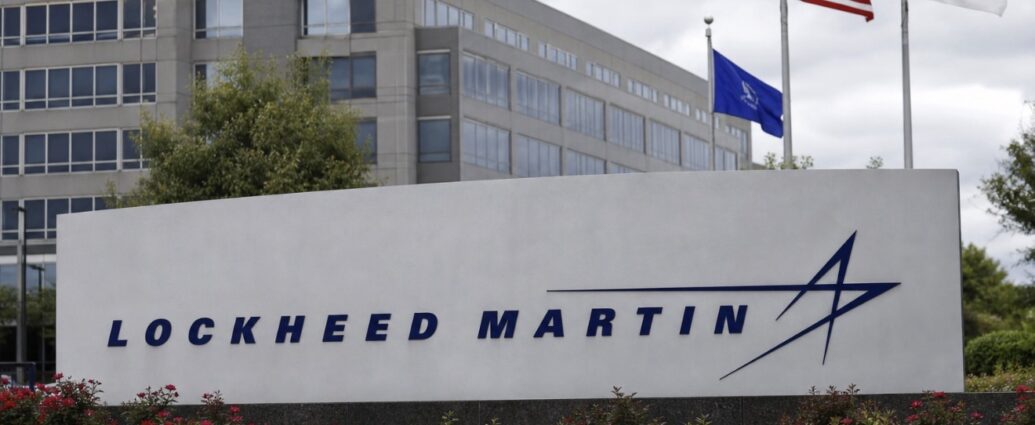
Lockheed Martin had a brutal April — and the pain isn’t fully over yet.
Shares of Lockheed Martin fell 14.3% in April while the broader market rallied, according to data from S&P Global Market Intelligence. Two major forces drove the decline: weakening momentum across defense stocks as Iran war tensions temporarily eased, and disappointing first-quarter 2026 earnings weighed down by program delays and supply chain problems.
An Earnings Miss That Stung
Lockheed Martin stock dropped another 4.7% on the day the company released its Q1 2026 earnings report after missing Wall Street expectations on both revenue and profit.
Analysts had forecast earnings of $6.74 per share. Instead, the company reported earnings per share of $6.44, down from $7.28 during the same quarter a year earlier. Sales were essentially flat year over year, reflecting mounting operational pressure across multiple programs.
The company pointed directly to supply chain disruptions affecting fighter jet production and classified defense systems.
The biggest hit came from Lockheed’s Aeronautics division — the company’s largest and most important business segment. Operating profit in Aeronautics fell 14%, hurt by ongoing issues involving the F-16 fighter jet program and the C-130 military transport aircraft line.
F-35 deliveries also slowed significantly. Lockheed delivered just 32 F-35 fighter jets during the quarter compared to 47 during the same period last year — a sharp decline that intensified investor concerns over production bottlenecks and execution risks.
Because many of these contracts are fixed-price agreements with the U.S. government, delays and production inefficiencies can quickly translate into cost overruns and tighter margins — exactly the kind of weakness Wall Street tends to punish aggressively.
Defense Stocks Come Off the Boil
Lockheed’s struggles were amplified by a broader pullback across the defense sector in April.
Defense contractors had surged earlier in the year as the Iran conflict escalated and investors anticipated rising military spending, stronger weapons demand, and larger global defense orders. But as geopolitical tensions showed temporary signs of cooling during April, many defense names gave back a portion of those gains.
The result was a rapid reversal in what had become one of the market’s strongest-performing sectors during the early stages of the conflict.
Where the Stock Stands
The damage to Lockheed Martin’s stock price has been substantial.
Shares are now trading roughly 24.5% below their 52-week high of $676.70 reached in March 2026. As of early May, the stock is down approximately 23% from all-time highs.
Despite the selloff, Lockheed still trades at a price-to-earnings ratio near 25 — a valuation some investors view as elevated given the company’s current earnings pressure and unresolved operational challenges.
Investors remain particularly focused on whether the company can stabilize production schedules and regain efficiency across its core defense programs before additional margin pressure emerges later this year.
Is There Still a Bull Case?
Not everyone on Wall Street has turned bearish.
Some analysts argue the recent pullback may create a long-term opportunity given the powerful global defense trends still in place. The United States is expected to significantly expand defense spending over the coming years, while rising geopolitical instability continues driving demand for advanced fighter jets, missile defense systems, and military technologies across Europe, the Middle East, and East Asia.
That broader backdrop could provide Lockheed Martin with years of sustained revenue demand despite near-term operational issues.
The company also continues to offer a dividend yield of approximately 2.59%, supported by strong long-term cash flow generation and an aggressive history of share repurchases.
Still, the central issue remains execution.
Until Lockheed Martin demonstrates meaningful improvement in supply chain reliability, aircraft production schedules, and contract profitability, investors are likely to remain cautious — even as global defense spending continues climbing.
For now, Wall Street appears willing to wait on the sidelines.
— JBizNews Desk
Sources: The Motley Fool, Yahoo Finance, S&P Global Market Intelligence, StockStory
**© JBizNews.com. All rights reserved. This article is original reporting by JBizNews Desk. Unauthorized reproduction or redistribution is strictly prohibited.