JBizNews Desk | Friday, May 8, 2026
Meta has revived its long-dormant ambition to bring cryptocurrency directly into Facebook — and Washington is already pushing back.
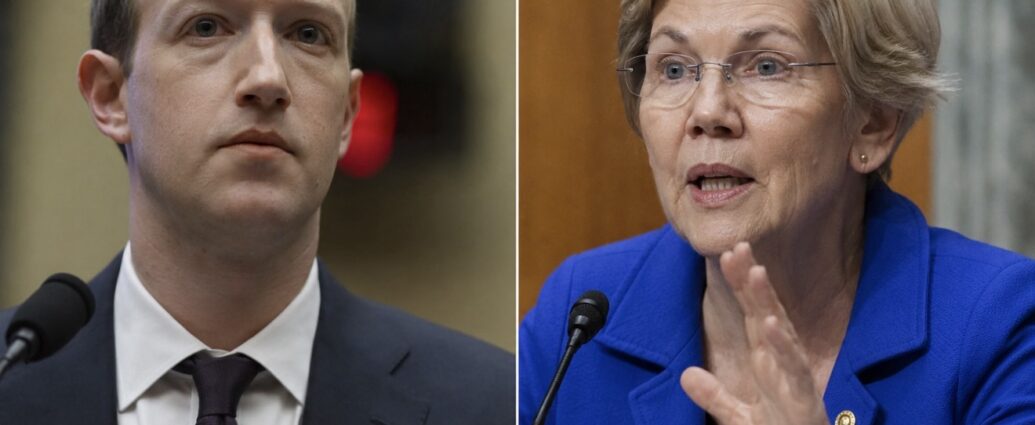
Just days after Meta quietly launched a stablecoin pilot tied to Facebook payments, Senator Elizabeth Warren sent a sharply worded letter to Meta CEO Mark Zuckerberg, demanding answers about the company’s plans to integrate digital currency functionality across its social media ecosystem.
Warren called Meta’s “lack of transparency” surrounding the stablecoin rollout “troubling” and warned that Congress must fully understand the scope of the initiative as lawmakers debate sweeping cryptocurrency legislation that could reshape how digital assets operate inside mainstream consumer platforms.
The move instantly reignites one of Silicon Valley’s most controversial unfinished battles: Meta’s attempt to transform social media into a global payments network.
Meta’s Crypto Ambitions Never Really Died
This is not Meta’s first attempt to enter digital finance.
Back in 2019, the company — then still operating under the Facebook corporate name — unveiled plans for a global cryptocurrency project called Libra, later renamed Diem after fierce backlash from regulators, central banks, and lawmakers around the world.
The proposal triggered immediate alarm in Washington.
Critics feared Facebook could effectively create a private global currency backed by billions of users, giving the company unprecedented influence over payments, commerce, banking, and financial data. Zuckerberg was hauled before Congress to defend the project as lawmakers questioned whether a social media company already facing privacy and antitrust concerns should also control a financial system.
By 2022, Meta formally abandoned the effort under mounting regulatory pressure.
Now the company is trying again — but far more carefully.
Why This Time Is Different
Rather than launching its own currency, Meta’s new pilot reportedly integrates USDC, the dollar-pegged stablecoin issued by Circle, into payment functionality on Facebook.
That distinction matters strategically.
By relying on an existing regulated stablecoin instead of creating its own token, Meta may hope to avoid triggering the same level of political and regulatory backlash that destroyed Libra and Diem.
But for Warren, one of Congress’s most outspoken crypto skeptics, the concerns remain largely the same.
Warren and Senator Richard Blumenthal have previously criticized USDC specifically, pointing to periods of market stress when the stablecoin temporarily lost its dollar peg and traded as low as $0.88 — raising questions about whether so-called “stable” digital currencies are truly stable enough to underpin consumer payment systems used by millions or even billions of people.
Why Wall Street and Businesses Are Watching
The implications extend far beyond crypto enthusiasts.
If Meta successfully expands stablecoin payments across Facebook, Instagram, and WhatsApp, the company could rapidly become one of the largest payment processors in the world.
Meta’s platforms collectively serve more than 3 billion daily active users globally.
That scale would allow the company to process peer-to-peer payments, e-commerce transactions, creator payouts, and international transfers directly inside its apps — potentially bypassing traditional financial intermediaries including banks, Visa, Mastercard, PayPal, and major fintech firms.
For investors, the development raises major questions about the future of digital payments, fintech competition, and how Big Tech companies may increasingly move into financial services.
For small businesses selling products through Meta’s platforms, the opportunity — and risk — could be enormous.
A built-in stablecoin payment rail could reduce transaction fees and speed up settlement times. But it would also give Meta significantly more control over the relationship between merchants, advertisers, consumers, and payments.
Congressional Pressure Intensifies
Warren’s letter reportedly demands that Meta disclose:
- The full scope of its stablecoin plans
- Consumer protections tied to the pilot
- Data privacy safeguards
- Expansion timelines
- Whether the company intends to scale the program before Congress finalizes crypto legislation
Meta has not yet publicly responded.
The timing is especially sensitive because Congress is actively debating major cryptocurrency market structure legislation that could establish the legal framework governing stablecoins, exchanges, digital wallets, and crypto payment systems for years to come.
That means Meta’s reentry into crypto could quickly become a centerpiece of the broader Washington fight over who controls the future of digital money.
And after years of setbacks, Zuckerberg appears determined to make sure Meta is once again part of that conversation.
© JBizNews.com. All rights reserved. This article is original reporting by JBizNews Desk. Unauthorized reproduction or redistribution is strictly prohibited.