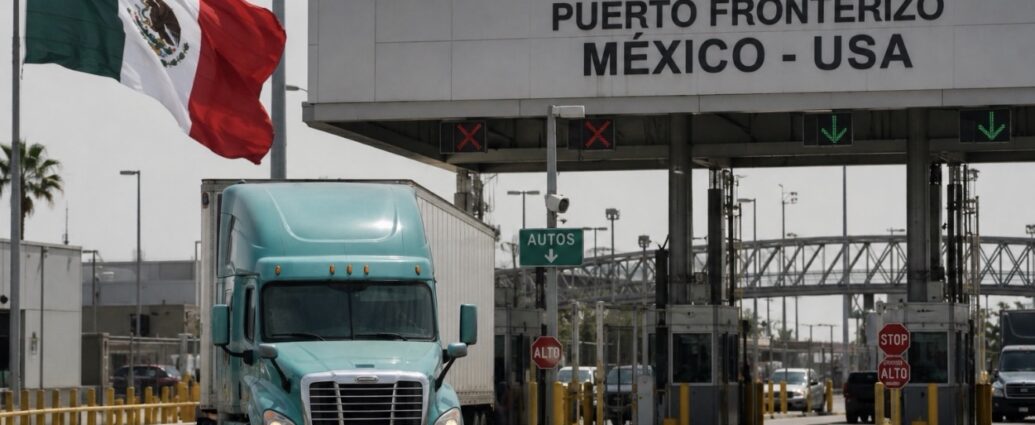
Mexico is pressing the Office of the U.S. Trade Representative (USTR) to exempt more of its exports from a proposed U.S. tariff tied to forced labor, as federal hearings on the measure opened this week in Washington and a separate tariff deadline approaches later this month, according to the Mexican Economy Ministry and USTR filings.
The dispute centers on a proposal announced by the U.S. Trade Representative on June 2 under Section 301 of the Trade Act of 1974. Following an investigation into labor enforcement practices across 60 economies, the agency concluded that many trading partners had failed to adequately prevent imports produced with forced labor. It proposed additional tariffs of 10% on imports from 15 countries, including Mexico, and 12.5% on goods from the remaining countries under review.
U.S. Trade Representative Jamieson Greer said countries that fail to block forced-labor goods create an unfair competitive disadvantage for American workers and manufacturers. Public hearings before the agency’s Section 301 Committee began Tuesday and continue through Thursday following the close of the written comment period.
Mexico quickly sought to minimize the impact. After consultations with USTR officials in early June, the Mexican Economy Ministry said products qualifying under the United States-Mexico-Canada Agreement (USMCA) rules of origin—representing roughly 85% of Mexico’s exports to the United States—would remain exempt from the proposed 10% tariff. Products already covered under separate Section 232 national security tariffs, including automobiles, steel and aluminum, also remain outside the scope of the proposal, although many of those products continue to face tariffs of up to 50% under separate trade actions.
That leaves approximately 15% of Mexico’s exports potentially subject to the new tariff, and it is that remaining share Mexico is attempting to protect. Economy Minister Marcelo Ebrard is leading negotiations with U.S. officials during a 45-day consultation period, arguing that Mexico has strengthened efforts to prevent forced-labor goods from entering its supply chains and deserves broader exemptions.
The legal backdrop adds urgency to the negotiations. The proposed Section 301 tariffs are widely viewed as replacing earlier duties that encountered legal challenges. A 25% tariff imposed on many Mexican imports under the International Emergency Economic Powers Act (IEEPA) was later struck down by the U.S. Supreme Court, while a temporary 10% surcharge imposed under Section 122 of the Trade Act is scheduled to expire around July 24. Many trade analysts believe the administration intends to have the Section 301 framework ready before that deadline to preserve tariff authority under a more durable legal basis.
Unlike traditional labor disputes, the proposal focuses less on Mexico’s domestic labor practices and more on preventing goods produced with forced labor in third countries—particularly China—from entering the United States through Mexican supply chains. Business groups have expressed concern that companies could increasingly bear the burden of proving their supply chains are free of forced labor before products are allowed into the U.S. market.
The administration has also attempted to limit the impact on American consumers. The proposal includes dozens of pages of product exemptions covering numerous food products, agricultural goods and industrial materials. Items including certain coffee, bananas, tomatoes and selected metals would either remain exempt or face lower tariff rates. A special quota system would also allow limited volumes of qualifying textile and apparel imports to enter under reduced duties.
The tariff discussions come as the United States and Mexico continue broader negotiations over the future of the USMCA trade agreement. The two governments completed a second round of consultations in June and are scheduled to meet again on July 20 in Mexico City, where Mexico will also continue pressing Washington to remove the 50% Section 232 tariffs on steel and aluminum exports that have sharply reduced shipments to the United States.
No new forced-labor tariffs will take effect until the Office of the U.S. Trade Representative completes the hearing process and issues a final determination. Until then, manufacturers, importers and cross-border businesses are watching closely as both governments negotiate over one of North America’s most important trading relationships.
JBizNews Desk | Washington
© JBizNews.com All Rights Reserved. Reproduction or distribution without written permission is prohibited.