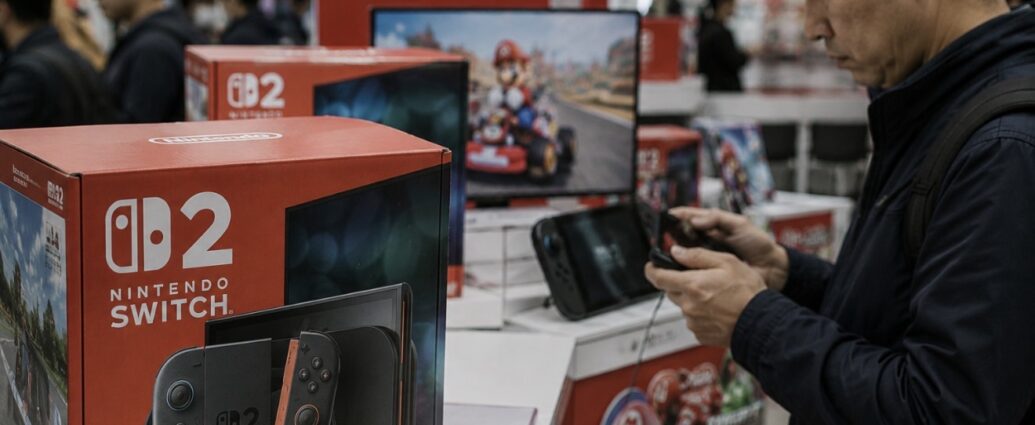
TOKYO — Nintendo is raising the price of its highly anticipated Switch 2 console across major global markets as the artificial intelligence boom drives a worldwide memory chip shortage that is increasingly spilling far beyond data centers and into everyday consumer electronics.
The company announced last week that the U.S. price of the Nintendo Switch 2 will increase to $499.99 beginning September 1 — a $50 jump less than a year after the console’s launch.
The increases extend globally.
In Japan, Nintendo will raise the console’s price by 10,000 yen to 59,980 yen, an increase of roughly 20%, effective May 25. Canadian pricing will rise to C$679.99, while European pricing on the My Nintendo Store will increase to €499.99.
Nintendo attributed the increases to “changes in market conditions” and the broader “global business outlook,” language analysts widely interpreted as a reference to the rapidly escalating cost of memory chips and semiconductor components being consumed by the worldwide AI infrastructure race.
The pressure is industry-wide.
Modern AI systems require enormous quantities of high-bandwidth memory and advanced semiconductor capacity, creating shortages that are now affecting everything from cloud infrastructure to gaming consoles, smartphones, laptops, and consumer electronics.
The same environment already pushed Sony earlier this year to raise prices on certain PlayStation 5 models by as much as $150 in some markets.
For Nintendo, the timing is particularly delicate.
The company announced the price increases alongside earnings results and forward guidance that fell significantly below analyst expectations, sending Nintendo shares down approximately 5.5% Monday.
The Switch 2 itself has sold strongly so far.
Nintendo reported approximately 19.86 million units sold during the first nine months following launch through the end of March — a solid performance by most industry standards.
But the company shocked analysts by forecasting only 16.5 million units for the full fiscal year ending March 2027, implying a sequential decline in sales during what is traditionally one of the strongest growth periods for a new gaming platform.
That pattern is highly unusual for the console industry, where hardware adoption typically accelerates in the early years after launch.
Nintendo also projected:
- Full-year revenue of approximately 2.05 trillion yen, down 11.4% year-over-year
- Net profit falling approximately 27% to 310 billion yen
Both forecasts came in well below Wall Street expectations.
“Nintendo is predicting Switch 2 hardware sales to go down this fiscal year — instead of going up as it usually is the case with new consoles,” said Serkan Toto, CEO of gaming consultancy Kantan Games. “That’s quite dramatic.”
Not all analysts agree with Nintendo’s cautious outlook.
Morningstar analyst Kazunori Ito argued the company may be underestimating long-term demand, particularly once consumers adapt to higher pricing.
Ito said his own projections still point to roughly 19 million Switch 2 units sold during the fiscal year.
“We view Nintendo’s shares as undervalued,” Ito said. “The market appears overly focused on near-term headwinds and conservative guidance, while underappreciating the long-term earnings growth from over 100 million Switch users migrating to the new platform.”
Analysts also point to Nintendo’s software pipeline as a major variable likely to influence demand.
Bernstein analyst Robin Zhu noted that investors are now waiting for Nintendo’s next major Nintendo Direct presentation, where the company is expected to unveil more of its 2026 software lineup.
Strong first-party franchises historically drive significant hardware momentum for Nintendo consoles.
The company’s broader brand ecosystem also remains extremely powerful.
“The Super Mario Galaxy Movie,” released this year through Nintendo’s partnership with Universal and Illumination, has already generated nearly $900 million globally, reinforcing the enduring global reach of Nintendo’s intellectual property even as the hardware business faces increasing cost pressure.
For consumers, however, the bigger story may extend far beyond gaming itself.
The same artificial intelligence infrastructure boom driving record investment into companies like Nvidia, AMD, OpenAI, Microsoft, and Amazon is now directly influencing the cost of consumer technology products in ordinary households.
AI data centers require enormous quantities of advanced memory chips — the same categories of components used inside gaming consoles, PCs, smartphones, and other electronics.
As hyperscale AI infrastructure spending accelerates, manufacturers across multiple industries are increasingly competing for limited semiconductor supply.
The result is a supply chain squeeze unlike anything the consumer electronics industry has experienced in years.
And for gamers hoping next-generation hardware would become more affordable over time, Nintendo’s announcement sends a stark message: in the AI era, technology may not get cheaper as quickly as consumers once expected.
JBizNews Desk
© JBizNews.com. All rights reserved. This article is original reporting by JBizNews Desk. Unauthorized reproduction or redistribution is strictly prohibited.