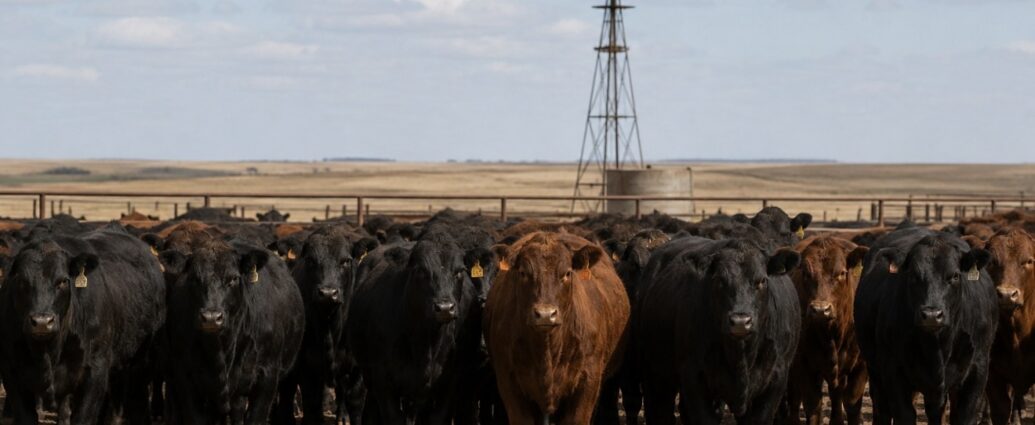
New Zealand’s latest official meat export figures released this week show beef shipments to the United States have surged approximately 60% compared with the same period last year, as American importers continue filling a widening supply gap created by the smallest U.S. cattle herd in more than 70 years. The sharp increase underscores how prolonged herd reductions across the United States are reshaping global beef trade, with New Zealand emerging as one of the largest beneficiaries of sustained American demand.
The growth reflects a structural challenge facing the U.S. beef industry rather than a temporary market fluctuation. Years of severe drought across major cattle-producing states, combined with higher feed costs, labor shortages and elevated financing expenses, prompted ranchers to reduce breeding herds. Although weather conditions have improved in several regions, rebuilding the national cattle inventory requires retaining breeding cows instead of sending them to market, a process that typically takes several years before beef production begins to recover.
As domestic supplies tightened, beef prices climbed throughout the supply chain. Meat processors, grocery retailers and restaurant operators have increasingly turned to imported lean beef to maintain production. New Zealand’s grass-fed beef is particularly valuable because it is blended with higher-fat American beef to produce ground beef used by supermarkets, food manufacturers and restaurant chains across the country.
Industry analysts say American demand has remained remarkably resilient despite higher prices. Consumers have continued purchasing beef even as grocery bills increased, forcing processors to compete aggressively for limited domestic supplies while expanding purchases from overseas suppliers. The result has been one of the strongest import markets New Zealand exporters have seen in years.
The United States has now become one of New Zealand’s most important beef export destinations by value. Exporters have increasingly redirected shipments toward North America as demand from some Asian markets has moderated. The ability to diversify sales into higher-value markets has helped offset slower purchasing elsewhere while providing stronger returns for New Zealand’s agricultural sector.
The changing trade flows also illustrate how interconnected global food markets have become. A production shortfall in one of the world’s largest beef-producing nations can quickly alter export patterns thousands of miles away. While the United States remains a major beef producer, its current cattle shortage has created opportunities for countries capable of supplying lean manufacturing beef needed by American processors.
Australia has likewise benefited from the favorable market after rebuilding its cattle herd over recent years, increasing competition among exporters while helping satisfy growing U.S. import demand. Together, Australia and New Zealand now account for a substantial share of imported lean beef entering the American market.
Despite stronger imports, analysts do not expect U.S. beef prices to decline significantly in the near term. Herd rebuilding remains gradual, and producers continue balancing higher operating costs with uncertainty over future market conditions. Until domestic cattle inventories recover, imported beef is expected to remain an essential component of America’s food supply.
For New Zealand farmers, the current environment offers significant export opportunities but also highlights the importance of maintaining access to global markets. Exchange rates, international trade policies and shifting consumer demand will continue influencing profitability, but current conditions suggest North American demand should remain strong for the foreseeable future.
Economists expect imports to stay elevated over the next several years unless U.S. ranchers dramatically accelerate herd expansion. Even under optimistic scenarios, rebuilding America’s cattle inventory will require time, meaning overseas suppliers are likely to remain critical partners in meeting consumer demand.
The latest export figures demonstrate that today’s beef market is increasingly global. Decisions made by ranchers in Texas, Nebraska and Kansas are directly influencing producers in New Zealand, while American consumers continue relying on international suppliers to keep supermarket shelves stocked. Until domestic production rebounds, New Zealand appears well positioned to remain one of the principal beneficiaries of America’s historic cattle shortage.
JBizNews Desk | Wellington, New Zealand
© JBizNews.com All Rights Reserved. Reproduction or distribution without written permission is prohibited.