
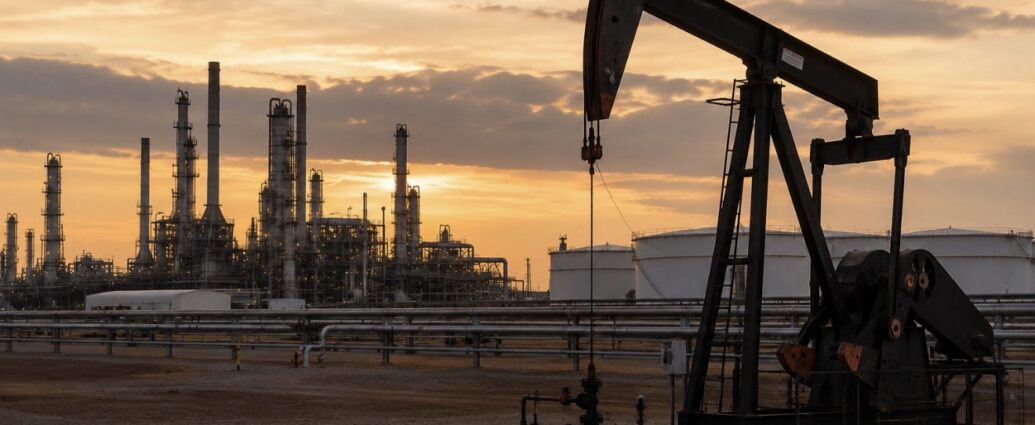
Crude has given up a large piece of its war premium in a single Sunday session. Brent traded down to $90.95 a barrel on July 26, a drop of 7.56% from the prior session, though the benchmark remains up roughly 23% over the past month and 31% against the same point last year.
The move came after a second consecutive day without hostilities between Washington and Tehran. U.S. strikes relented for the first time in two weeks, ending a run of nightly airstrikes at 13 days. Reports Sunday indicated neither side had launched attacks for a second day running, following two weeks of nightly American strikes on Iran and Iranian retaliation against U.S. allies across the Gulf.
That is a sharper reaction than Friday produced. The September WTI contract closed Friday down $2.88, or 3.12%, while September Brent slipped back toward $97 after touching a two-month high of $102 on Thursday. Friday’s decline followed reports that Pakistan, with support from Beijing, was working to revive negotiations, and crude still finished that week up around 10%. Sunday’s session took the next leg down, and it did so on evidence rather than reports.
The administration is calling it deliberate
Mike Waltz, the U.S. ambassador to the United Nations, said Sunday on NBC’s “Meet the Press” that President Trump is giving negotiations room to develop, and that talks are underway at every level from technical staff up to the most senior. In a separate Fox News appearance, Waltz said diplomatic activity had intensified over the past several days, while repeating the president’s warning that the U.S. military remains “locked and loaded” with all options on the table.
Traders are not buying peace. They are pricing the absence of bombs for 48 hours, which is a different and much smaller thing.
What has not changed
The structural constraint on supply is fully intact. The U.S. military said Saturday that its naval blockade against Iran remains in full effect, and offered no explanation for halting the streak of escalating strikes. The Strait of Hormuz stays under Iranian blockade, and Tehran continues to assert control over passage through it. Iranian media reported that an oil tanker exploded after striking a mine in the strait, having departed the Iranian-approved route, according to the Tasnim news agency.
The conflict is also spreading into the workaround. Iran-aligned Houthi forces said they fired missiles and drones Saturday at facilities linked to Saudi Aramco in the port towns of Jizan and Yanbu, with no immediate confirmation from the Saudi government or the company. Yanbu is Saudi Arabia’s main Red Sea oil port and has become a key outlet for Saudi crude routing around Hormuz. Iran separately accused Ukraine of targeting one of its vessels in the Caspian Sea.
So the market is netting two opposing signals: a pause in the strikes that closed 13 nights of escalation, against an expanding threat to the one export corridor Gulf producers had been leaning on. The pause won today by a wide margin.
The cost side for American business
For importers, manufacturers, and freight buyers, a seven-percent Sunday move does not reset anything already contracted. Diesel, jet fuel, marine bunker rates, and war-risk insurance premiums for Gulf and Red Sea transits were repriced during the July run-up and will lag any relief by weeks. Rerouted cargo still burns extra fuel and extra days regardless of where Brent settles tonight.
Companies that hedged at the highs are now watching whether this is a genuine turn or another head fake. There is recent precedent for the latter. A memorandum of understanding announced by mediators on June 14 was meant to end the conflict within 60 days, but fighting resumed in July after Iran struck three commercial vessels that had bypassed its preapproved route. By July 7, with U.S. strikes intensifying, Trump said he considered the truce over.
This week
The war hits its five-month mark Tuesday. Israeli Prime Minister Benjamin Netanyahu is due in Washington to meet Trump in the coming week, which adds a variable to whether the pause survives. The president has dismissed suggestions that higher pump prices tied to the fighting could hurt Republicans in November’s midterms.
Monday’s open will show whether the Sunday move holds or gets faded. Twice this year the market has priced an ending that did not arrive.
JBizNews Desk | New York
© JBizNews.com All Rights Reserved. Reproduction or distribution without written permission is prohibited.




