Consumers are seeing a bigger portion of their paychecks go to car debt at the same time that prices at the pump are rising.
Just how bad is it? About one in four, or roughly 86 million Americans, had auto loan or car lease debt at the end of 2025, according to think tank The Century Foundation and consumer advocacy group Protect Borrower.
According to the researchers total auto debt was $1.68 trillion at the end of 2025 up 37% from 2018, when auto debt stood at $1.23 trillion.
The average origination balance for an auto loan was $33,519 in December compared to $24,782 at the end of 2018, according to CNBC. As a result, borrowers paid about $680 a month for their vehicle compared to $506 seven years ago.
Don’t Miss:
- See how a tax-aware retirement strategy could help improve your 2026 outlook — match with a financial adviser today.
- Paying too much toward debt? Find out how much you could save with a quick, free check.
That has increased even further in Q1 2026. The average monthly payment on a financed new-vehicle purchase stands at $773, reports car research and data provider Edmunds.
Higher Vehicle Prices Drive Up Costs
The uptick in auto debt is being driven by higher prices for vehicles and increased interest rates, forcing consumers to choose between bigger monthly bills or longer loan terms, which makes the cost of ownership even more.
In Q1 84-month or longer car loans accounted for 22.9% of financed new car purchases, which is an all-time high, compared to 20.8% in Q4 2025, according to Edmunds. Add the fact that gasoline prices are rising amid the conflict in Iran, and consumers are forced to shell out more money each month for their rides.
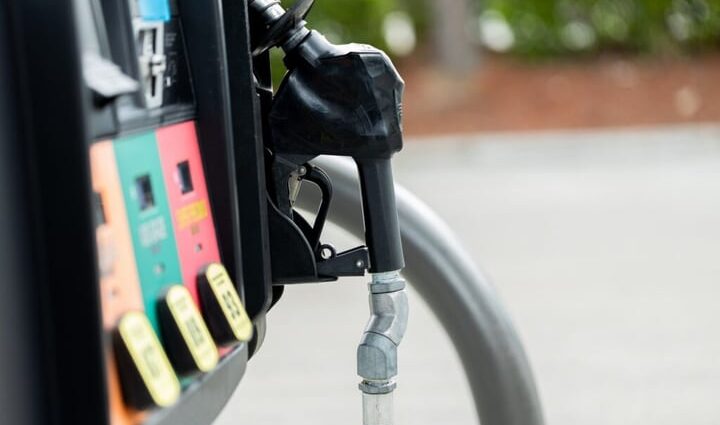
As it stands, Edmunds said the average amount financed for a new vehicle is $43,899, while the average APR to finance is 6.9%. Meanwhile the national average price for a regular gallon of gas is $4.50, up nearly 44% from a year ago, reports AAA.
See Also: High-interest debt doesn’t fix itself — see how borrowers are comparing multiple personal loan offers through AmONE in minutes.
Bargains Do Not Abound
Consumers who want to buy a new car have little in the way of options when it comes to finding affordable vehicles. Ivan Drury, director of insights at Edmunds, told CNBC there are “virtually no new vehicles” that cost less than $20,000.
While extending a car loan to seven years or more does bring down the monthly payment, consumers end up paying more in overall interest. Plus, they run the risk of ending up with a car that is worth less than they owe. That could hurt their next car purchase if they are using the older vehicle for a down payment or trade-in.
“Q1 financing data shows that car buyers are getting creative just to keep their purchases within reach,” said Jessica Caldwell, Edmunds’ head of insights. “As loan amounts and monthly payments continue to climb to record levels, consumers are having to work harder to …





This post was originally published here