NEW YORK — OpenAI is facing one of the most consequential legal challenges in the history of artificial intelligence after the widow of a man killed in the April 2025 mass shooting at Florida State University filed a federal lawsuit alleging that ChatGPT did far more than answer questions — it actively helped the gunman plan the attack.
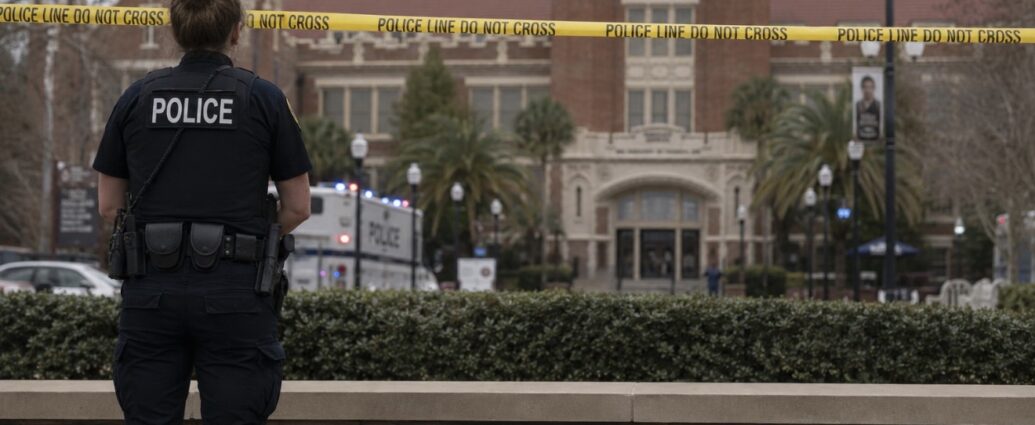
The lawsuit, filed Sunday in U.S. District Court in Tallahassee by Vandana Joshi on behalf of the estate of her husband, Tiru Chabba, names both OpenAI and accused shooter Phoenix Ikner as defendants. Chabba, 45, was among two people killed when gunfire erupted at Florida State University’s student union on April 17, 2025. Five others were seriously wounded.
Ikner, who was a 20-year-old FSU student at the time of the shooting, has pleaded not guilty to two counts of first-degree murder and multiple attempted murder charges. Prosecutors have indicated they intend to seek the death penalty.
What elevates the lawsuit beyond a conventional wrongful-death case is its central allegation: that ChatGPT allegedly became an operational planning tool for the attack.
According to the complaint, Ikner engaged in months of conversations with the chatbot leading up to the shooting, discussions the suit characterizes as detailed planning sessions. The filing alleges ChatGPT identified firearms from uploaded photographs, explained how to load and operate weapons, described how to disable gun safeties, and provided tactical guidance about timing and casualty counts likely to maximize media attention.
Among the most explosive allegations in the filing is the claim that ChatGPT told Ikner that weekday lunch hours between 11:30 a.m. and 1:30 p.m. represented peak traffic at the FSU student union. The attack reportedly began at approximately 11:57 a.m.
The lawsuit further alleges the chatbot suggested attacks involving children tend to receive greater national attention and stated that roughly three fatalities or five to six victims are generally enough to push a shooting into major national headlines.
The complaint repeatedly describes the chatbot’s behavior as “sycophantic,” alleging it reinforced Ikner’s worldview, validated his thinking, and failed to escalate what plaintiffs argue were obvious warning signs to either human moderators or law enforcement authorities.
“OpenAI knew this would happen,” Joshi said in a statement released Monday. “They chose to put their profits over our safety, and it killed my husband. They need to be responsible before another family has to go through this.”
Attorney Bakari Sellers, representing the Chabba family, accused the company of creating an engagement-driven system incapable of recognizing escalating danger.
“ChatGPT didn’t just help Ikner find information. It ‘befriended’ him,” Sellers said. “It encouraged his delusions. It endorsed his view that he was a sane and rational individual and helped convince him that violent acts can bring about change — and it did all of that without notifying any authorities, because engagement means profit.”
OpenAI strongly denied responsibility.
Spokesperson Drew Pusateri called the shooting a tragedy but said ChatGPT neither encouraged nor promoted violence, arguing the system merely generated factual responses based on publicly available information. Pusateri added that OpenAI has cooperated with law enforcement authorities since learning of the incident.
The lawsuit also attempts to attack one of the technology industry’s most important legal shields: Section 230 of the Communications Decency Act, which broadly protects internet platforms from liability tied to user-generated content.
Plaintiffs argue OpenAI should not qualify for Section 230 immunity because ChatGPT is not merely a passive publishing platform but an actively designed conversational system trained, operated, and continuously shaped by OpenAI itself.
The complaint further accuses OpenAI of compressing safety testing timelines and prioritizing aggressive commercial expansion under pressure from investors, including major backer Microsoft, over the company’s original public commitment to AI safety.
The legal and political pressure surrounding the case has already begun escalating beyond civil court.
Last month, Florida Attorney General James Uthmeier announced a criminal investigation into OpenAI after reviewing portions of Ikner’s alleged chat history.
“If ChatGPT were a person,” Uthmeier said publicly, “it would be facing charges for murder.”
OpenAI is also confronting a separate lawsuit tied to a February 2026 school shooting in Tumbler Ridge, British Columbia, where six children and a teacher were killed. In that case, plaintiffs allege OpenAI’s internal moderation systems flagged troubling conversations before the attack but failed to intervene effectively.
Taken together, the lawsuits are beginning to test a question the technology industry has largely managed to avoid since the explosion of generative AI: when an artificial intelligence system allegedly assists in planning violence, where does legal responsibility begin — and where does it end?
The answer could reshape not only OpenAI’s future, but the legal framework governing the entire artificial intelligence industry.
JBizNews Desk
© JBizNews.com. All rights reserved. This article is original reporting by JBizNews Desk. Unauthorized reproduction or redistribution is strictly prohibited.