Sen. John Cornyn: How many patents do you [have?]
AbbVie CEO Richard Gonzalez: … A hundred and thirty-six patents.
Cornyn: A hundred and thirty-six patents on one drug?
Gonzalez: But, well, remember, Humira is like nine different drugs, or 10 different drugs. So —
Cornyn: I thought you said to Sen. [Debbie] Stabenow it was the same
molecule.
Gonzalez: It is the same molecule, but it treats different conditions. And if you look at that patent portfolio —
Cornyn: So you use the same molecule to treat different conditions and you can get a patent on that treatment?
Gonzalez: Certainly.
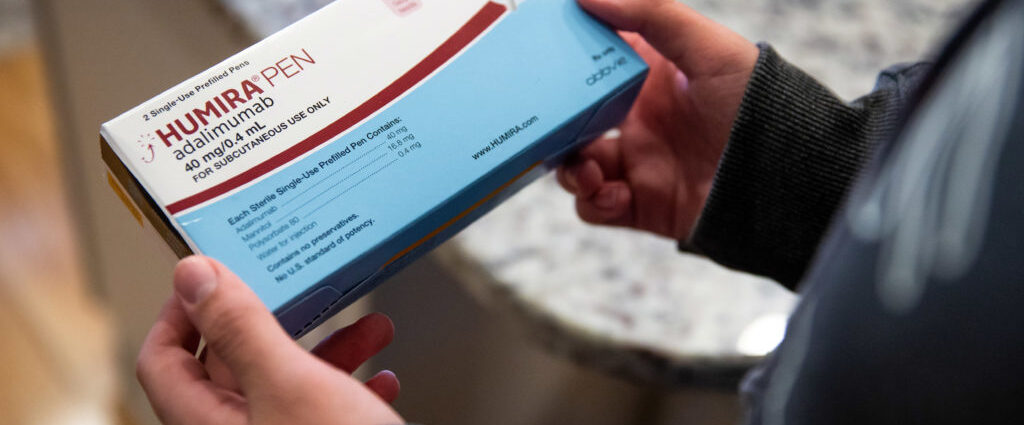
The above exchange comes from a 2019 congressional hearing. Sen. John Cornyn, a Republican from Texas, was asking AbbVie’s CEO, Richard Gonzalez, to explain to the Senate Committee on Finance how his company had amassed so many patents on this single drug called Humira. Gonzalez, who was no stranger to controversy, chose to respond by likening it to multiple drugs. After AbbVie had received the first regulatory approval for Humira to treat rheumatoid arthritis, a condition that causes inflammation of the joints, it thought the drug might also work on inflammatory bowel disease. In fact, AbbVie would eventually test, obtain patents for, and get FDA approval of the drug for several inflammation-related conditions. For Gonzalez, the 136 patents AbbVie had accumulated up until that point were justified. They were “innovations they had created,” he said. This would mean another 18 years of patent protection beyond the expiry of Humira’s original patent in 2016.