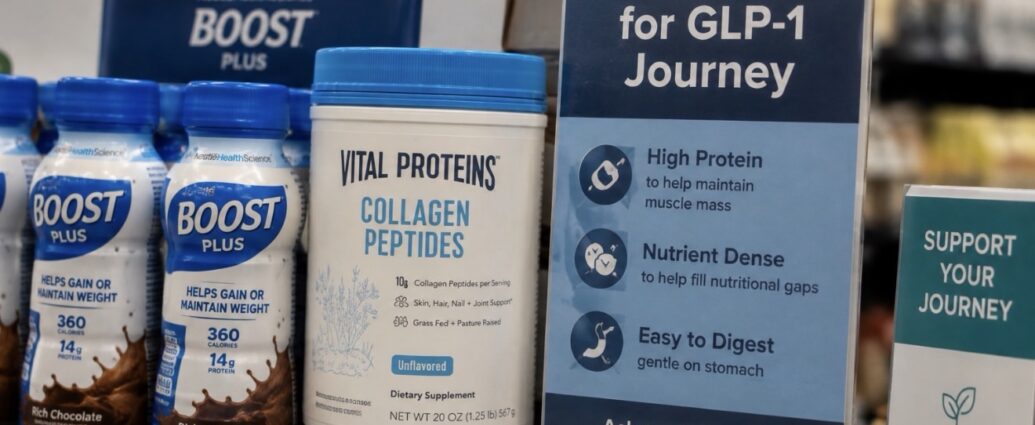
Nestlé is turning one of the biggest threats facing packaged-food companies into a new business opportunity.
The company is developing foods and nutritional products specifically for people taking GLP-1 weight-loss drugs such as Ozempic, Wegovy, Mounjaro and Zepbound, using artificial intelligence and nutrition research to design products around the way those medicines are changing how millions of Americans eat.
Roughly 16 million Americans are currently taking GLP-1 drugs, according to data cited by Reuters, creating a consumer group large enough to reshape grocery shelves, restaurant menus and food-company research budgets.
At first, the rise of GLP-1 drugs looked like a direct threat to companies like Nestlé.
The medicines suppress appetite, and that means users often eat less, snack less and buy fewer high-calorie foods. Investors have worried for years that widespread adoption could permanently reduce sales of packaged meals, sweets, snacks and beverages.
Nestlé now sees another side of the equation.
People losing weight rapidly may need more protein, hydration and certain nutrients to help preserve muscle mass and maintain adequate nutrition. Nestlé says it is using AI to analyze clinical research, identify useful nutrient combinations and help reformulate products for those consumers.
That work is already influencing products across brands including Vital Proteins and Boost, with the company exploring higher-protein formulations, collagen and other targeted nutrition products.
The opportunity is potentially much larger than selling smaller frozen meals.
If GLP-1 use continues expanding, food companies could build an entirely new category around people taking weight-loss medication — much the way the industry created dedicated markets around sports nutrition, low-carbohydrate diets and plant-based foods.
But this one could be different because the behavioral change is being driven by prescription medicine rather than a temporary diet trend.
GLP-1 users have been shown to consume significantly fewer calories and spend less on groceries and fast food, forcing food companies to rethink not only ingredients but portion sizes, packaging and marketing.
Nestlé is betting that consumers who eat less may still spend more on foods they believe provide the nutrients they need.
That could shift competition away from simply selling more calories and toward selling higher-value nutrition in smaller quantities.
The company has already been adapting. Nestlé previously introduced products aimed specifically at GLP-1 users, while other food companies have added high-protein meals, smaller portions and products positioned around fiber and digestive health.
The bigger business story is that obesity drugs are no longer only disrupting pharmaceutical companies and healthcare.
They are beginning to reorganize the food industry itself.
For years, packaged-food companies made money by convincing consumers to eat more.
The next growth market may be figuring out how to profit when millions of customers are deliberately eating less.
JBizNews Desk | Vevey, Switzerland
© JBizNews.com All Rights Reserved. Reproduction or distribution without written permission is prohibited.