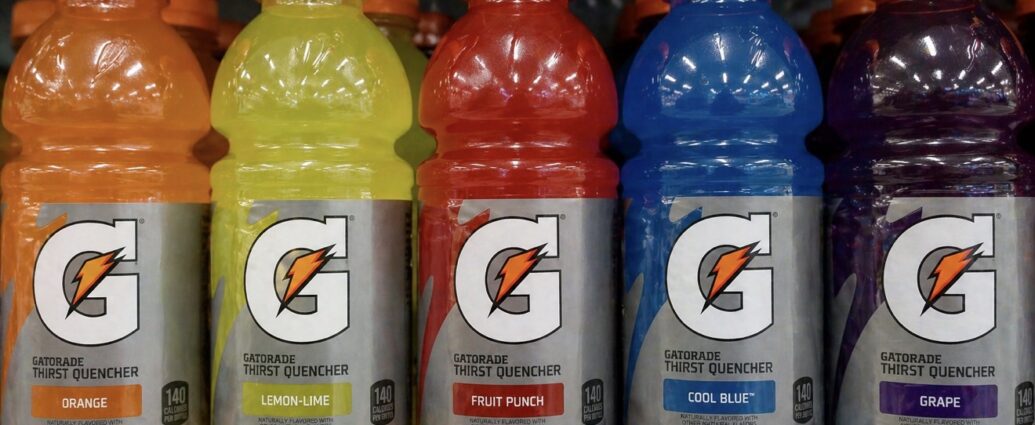
PepsiCo is accelerating changes to Gatorade as pressure builds on food and beverage companies to simplify ingredient labels, saying it plans to remove synthetic colors from the sports-drink brand while introducing new products with fewer additives. In a statement released April 16, Mike Del Pozzo, president of PepsiCo Beverages U.S., said, “By listening to consumers, we’re learning more of what they want and don’t want in their Gatorade,” adding that the company is “on a journey to remove artificial colors from our product portfolio while maintaining the bold Gatorade color people know and love,” according to PepsiCo.
The shift starts with a new product, Gatorade Lower Sugar, which PepsiCo said contains no artificial flavors, sweeteners or colors and less sugar than the flagship drink. In the same company announcement, Del Pozzo said the launch reflects “evolving consumer preferences,” while PepsiCo added that powder-stick formats without artificial colors are due later this spring and that three flavors of Gatorade Thirst Quencher and Gatorade Zero, including Fruit Punch, will move to colors derived from fruits and vegetables.
The decision lands at a time when ingredient transparency has become a sharper commercial issue across packaged food, with major brands facing scrutiny from shoppers, advocacy groups and policymakers over petroleum-based dyes and other additives. The U.S. Food and Drug Administration says approved color additives are reviewed for safety before use, but the agency also notes on its website that manufacturers remain responsible for ensuring ingredients meet legal safety standards. In public materials, the FDA says color additives “are safe when they are used in accordance with FDA regulations,” a position that continues to shape how companies balance regulatory compliance with changing consumer sentiment.
Industry analysts say the move by PepsiCo reflects a broader recalibration rather than a sudden break with past formulations. CFRA Research analyst Arun Sundaram told clients in recent consumer-sector commentary that large food companies are increasingly adapting portfolios to meet demand for “better-for-you” products while protecting brand equity and margins, and that reformulation can help sustain relevance with younger and more ingredient-conscious buyers. That matters for Gatorade, which remains one of the most important brands in PepsiCo’s beverage lineup and a core profit engine in North America.
The commercial stakes extend beyond one product line. PepsiCo said in its latest annual filing with the U.S. Securities and Exchange Commission that consumer preferences continue to shift toward products perceived as healthier and more sustainable, warning that failure to respond could hurt demand. In that filing, the company said its business depends on its ability “to anticipate and respond to changes in consumer preferences and demand,” underscoring why ingredient changes at Gatorade carry significance for investors tracking growth in the broader convenience-food and beverage sector.
Competitors across the beverage aisle have already leaned harder into cleaner-label messaging, particularly in hydration, energy and functional drinks where shoppers often scrutinize ingredient panels as closely as performance claims. Coca-Cola, in product disclosures for brands such as BodyArmor, has emphasized the use of coconut water and the absence of certain artificial ingredients in parts of its portfolio, while newer entrants have built marketing around simpler formulations. Analysts at Bank of America have said in sector notes that brand owners increasingly need to pair legacy scale with reformulation and innovation if they want to defend shelf space and pricing power.
For retailers, the timing also fits with a market that rewards both premiumization and health-oriented variety. Circana, which tracks consumer purchasing trends, has said in recent U.S. food-and-beverage analysis that shoppers continue to seek products that align with wellness goals even as they remain price sensitive. That creates an opening for companies like PepsiCo to use line extensions such as Gatorade Lower Sugar to capture demand without abandoning mainstream offerings that still drive volume.
The regulatory backdrop remains fluid, and that could keep reformulation on executive agendas well beyond this spring. While the FDA maintains that approved color additives can be used safely within federal rules, several states have pushed tougher standards or disclosure requirements for food ingredients, and consumer advocates continue to press for broader restrictions. PepsiCo has not said when every Gatorade product will complete the transition, but the company’s public commitment suggests ingredient strategy is moving closer to the center of competition in packaged beverages.
What comes next will matter not only for Gatorade shoppers but for the wider food industry. If PepsiCo succeeds in removing synthetic colors while preserving the brand’s signature look, taste and shelf appeal, rivals may face added pressure to move faster on similar changes. For now, Del Pozzo’s statement to PepsiCo offers the clearest signal of direction: the company says it is responding to what consumers want, and in a category where loyalty and visibility drive sales, that response could shape product development across the beverage aisle through 2026.
JBizNews Desk