
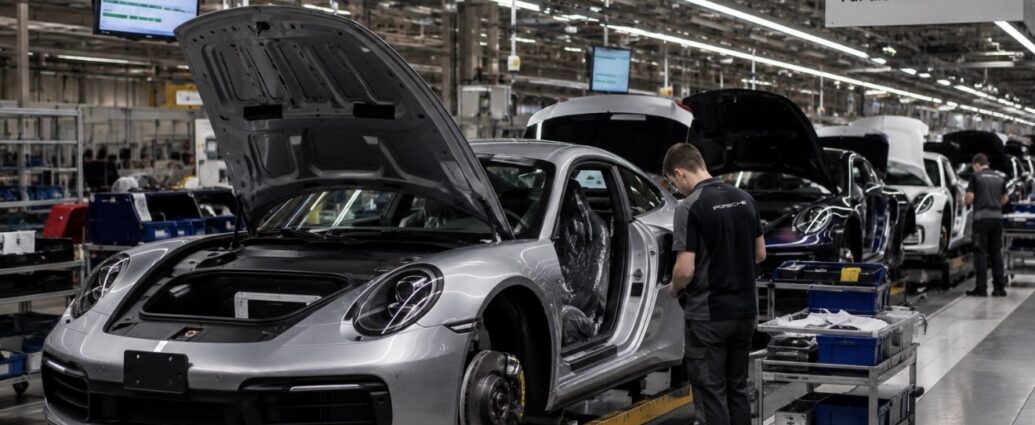
Porsche AG said Monday it will eliminate an additional 5,000 jobs by 2035 as the luxury automaker confronts weakening demand in China, slower-than-expected electric vehicle adoption and mounting pressure on profitability. The restructuring expands previously announced workforce reductions and signals that even premium automakers are adjusting to a rapidly changing global automotive market.
The latest reductions, which will be achieved primarily through voluntary departures, retirements and natural attrition, bring Porsche’s planned workforce cuts to roughly 9,000 positions over the next decade. The company said the measures are intended to improve efficiency while preserving its long-term competitiveness.
For businesses, the announcement underscores the growing challenges facing Europe’s automotive industry.
Chinese consumers, once a primary driver of luxury vehicle sales, have increasingly shifted toward domestic brands offering advanced technology at lower prices. At the same time, demand for premium electric vehicles has grown more slowly than many manufacturers anticipated, forcing automakers to rethink production schedules and investment plans.
Porsche has been among the world’s most profitable automobile manufacturers, benefiting from strong pricing power and loyal customers willing to pay premium prices for performance vehicles. That advantage, however, has become more difficult to sustain as competition intensifies and global economic conditions remain uneven.
China remains one of Porsche’s most important markets.
A prolonged slowdown in the country’s luxury vehicle segment has weighed on deliveries and profitability, while domestic Chinese manufacturers continue gaining market share through competitive pricing and rapid technological innovation.
The restructuring also reflects broader uncertainty surrounding the global transition to electric vehicles.
Many automakers accelerated EV investments expecting governments, consumers and charging infrastructure to move at a similar pace. Instead, higher vehicle prices, uneven charging availability and changing consumer preferences have produced slower adoption in several key markets.
For suppliers, Porsche’s decision may have ripple effects throughout the automotive supply chain.
Companies producing components, electronics, specialized materials and manufacturing equipment for premium vehicles are closely watching production plans across Europe as manufacturers seek to reduce costs while preserving investment in future technologies.
The announcement also highlights increasing pressure on European manufacturers from both established competitors and newer entrants.
Chinese automakers have expanded rapidly into international markets with lower-priced electric vehicles, while established global manufacturers continue competing aggressively for premium customers through technology, software and connected-vehicle features.
Although Porsche continues investing in electrification, executives have indicated the company will maintain greater flexibility by offering internal combustion, hybrid and fully electric models depending on customer demand and market conditions.
For investors, the workforce reductions demonstrate management’s willingness to address structural challenges before they significantly affect long-term profitability.
For the broader business community, Monday’s announcement illustrates that even iconic luxury brands are not immune to changing consumer demand, intensifying global competition and the financial realities of one of the automotive industry’s most significant technological transitions.
JBizNews Desk | New York
© JBizNews.com All Rights Reserved. Reproduction or distribution without written permission is prohibited.




