JBizNews Desk
A treatment that once required a doctor’s prescription is about to become much easier—and potentially less expensive—for millions of Americans to obtain.
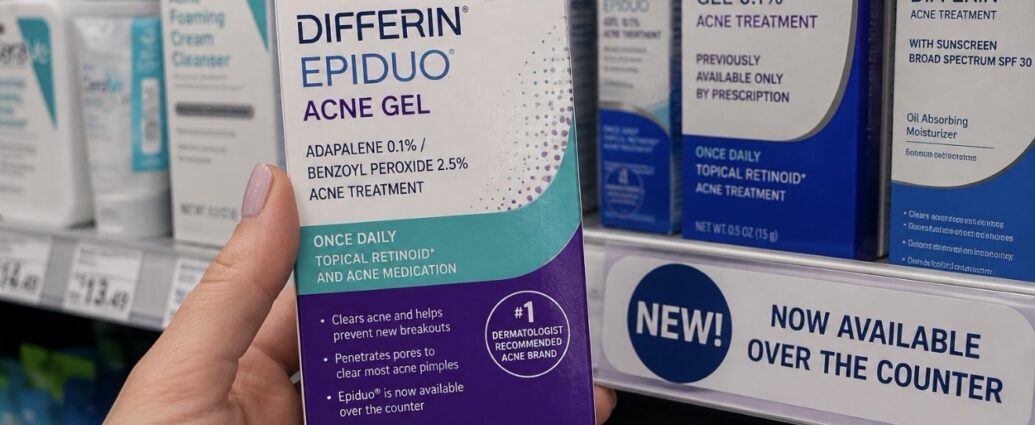
In a May 22 announcement, Galderma, the Switzerland-based dermatology company, said the U.S. Food and Drug Administration (FDA) approved Differin Epiduo Acne Gel for over-the-counter sale, making it the first prescription-strength combination of adapalene 0.1% and benzoyl peroxide 2.5% available without a prescription for individuals age 12 and older.
The product is expected to arrive at major retailers, including Walmart, Target, Ulta Beauty, and Amazon, beginning this summer.
For consumers, the approval represents a significant shift in acne treatment accessibility. For Galderma, it opens a major new growth opportunity in one of the largest segments of the skincare market.
A Dermatologist Favorite Moves to the Drugstore
For more than 15 years, dermatologists have prescribed the Epiduo formulation to patients struggling with acne. The treatment combines two well-established ingredients that attack acne from different directions.
Adapalene, a retinoid, helps prevent clogged pores and promotes skin-cell turnover, while benzoyl peroxide targets acne-causing bacteria and reduces inflammation.
Used together, the combination addresses multiple causes of acne simultaneously rather than focusing on a single trigger.
According to clinical studies cited by Galderma, the dual-action treatment consistently outperformed either ingredient used alone. Research showed reductions in inflammatory acne lesions of up to 70.3% after 12 weeks of treatment, with improvements maintained through long-term use.
For patients, the key distinction is that the over-the-counter version is not a weaker adaptation of the prescription product. It contains the same active ingredients and strengths previously available only through a healthcare provider.
Why the FDA Decision Matters
Acne is among the most common skin conditions in the United States, affecting an estimated 50 million Americans annually, according to the American Academy of Dermatology.
While many consumers rely on cleansers, spot treatments, and over-the-counter products containing a single active ingredient, more persistent cases often require prescription medications that involve physician visits, insurance approvals, and pharmacy costs.
The FDA approval removes several of those barriers.
Instead of scheduling a dermatologist appointment and obtaining a prescription, consumers will be able to purchase the treatment directly from retail shelves.
That change could save both time and money, particularly for teenagers, young adults, and families managing recurring acne treatment costs.
The Business Behind the Approval
The decision also represents an important commercial opportunity for Galderma.
The company reported strong growth in early 2026, driven by demand for dermatology products and aesthetic treatments. Expanding a long-established prescription brand into the retail market significantly increases its potential customer base.
Industry analysts often describe these transitions as “Rx-to-OTC switches,” referring to products that move from prescription-only status to over-the-counter availability after demonstrating strong safety and effectiveness records.
Such switches can transform a specialized medical product into a mainstream consumer brand.
For Galderma, the strategy allows the company to leverage years of physician trust and patient familiarity while expanding distribution into mass retail channels.
The move could also intensify competition throughout the acne-care market, where consumers spend billions of dollars annually on treatments, cleansers, creams, and skincare products.
What Consumers Should Know
Medical experts note that while the approval increases access, it does not eliminate the need for professional care in every situation.
Individuals experiencing severe, cystic, or scarring acne may still require prescription therapies or specialized dermatological treatment. Pregnant women and patients with complex skin conditions should also consult healthcare providers before beginning new treatment regimens.
Like many retinoid-based products, adapalene can initially cause dryness, redness, or irritation as the skin adjusts. Dermatologists generally recommend gradual use and consistent sunscreen application when starting treatment.
The FDA approval currently applies only to the United States market. In many other countries, the product remains available by prescription only.
A Growing Trend in Consumer Healthcare
The approval reflects a broader trend toward expanding consumer access to established treatments that have demonstrated long-term safety and effectiveness.
In recent years, regulators have approved over-the-counter access for a growing number of products that were once available only through healthcare providers, giving consumers greater control over routine health and wellness decisions.
For millions of Americans dealing with acne, the change means a treatment that once required a doctor’s signature can soon be purchased during a routine trip to the store.
And for Galderma, it means bringing one of dermatology’s most recognized prescription brands directly into the highly competitive retail skincare aisle.
JBizNews Desk
© JBizNews.com All Rights Reserved. Reproduction or distribution without written permission is prohibited.