By JBizNews Desk | Monday, May 4, 2026
Retail stocks came under pressure Monday as fresh data and company signals pointed to early signs of softening consumer spending, raising concerns about demand sustainability heading into the critical summer season.
Shares of major retailers declined as investors reacted to a combination of slowing foot traffic, increased promotional activity, and shifting consumer behavior. The emerging trend suggests that while overall spending remains positive, consumers are becoming more selective, prioritizing essential goods over discretionary purchases.
Executives across the sector are beginning to acknowledge the shift. Brian Cornell, CEO of Target, said in recent remarks that “consumers are still spending, but they are making more deliberate choices, focusing on value and essentials rather than discretionary items.”
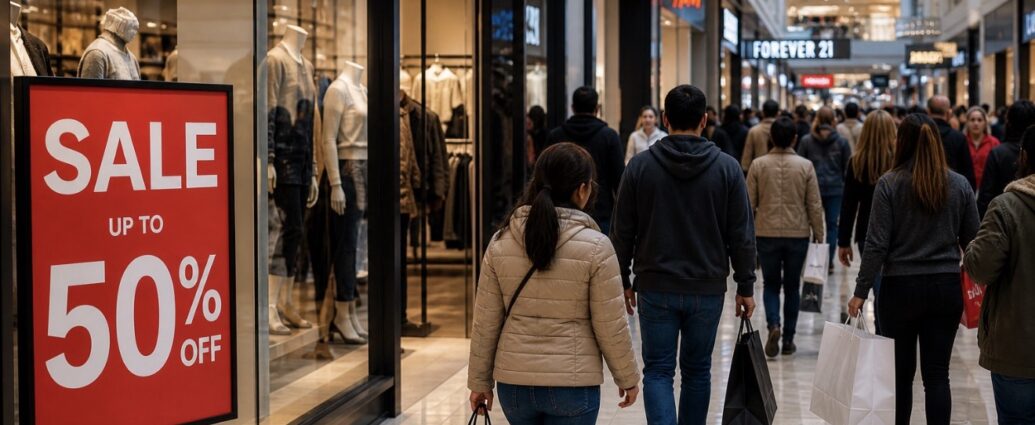
That change in behavior is forcing retailers to adjust strategies. Companies are increasing discounts and promotional efforts to maintain sales volumes, particularly in categories such as apparel, home goods, and electronics. While these measures can support revenue, they often come at the expense of profit margins.
The pressure is especially visible in inventory management. After a period of aggressive restocking to meet earlier demand, many retailers now find themselves holding excess inventory in certain categories. Clearing that inventory requires price cuts, which further compress margins and weigh on earnings expectations.
Neil Saunders, managing director at GlobalData Retail, said “the consumer is not pulling back entirely, but the shift toward value-driven spending is creating a more challenging environment for retailers to sustain profitability.”
Macroeconomic factors are playing a key role. Elevated interest rates have increased borrowing costs for households, while inflation—though easing—continues to affect purchasing power. These pressures are particularly impactful for middle- and lower-income consumers, who are more sensitive to price changes.
Credit trends are also being closely watched. Rising credit card balances and higher delinquency rates in some segments suggest that certain consumers are relying more heavily on credit to maintain spending levels, a dynamic that may not be sustainable over time.
At the same time, the labor market remains relatively strong, providing a partial cushion. Continued job growth and wage gains are supporting overall consumption, but analysts note that these factors may not fully offset the impact of higher living costs and interest rates.
Retailers are responding with a mix of caution and adaptation. Many are tightening cost controls, refining product assortments, and investing in data-driven strategies to better align with changing consumer preferences. E-commerce platforms and loyalty programs are also being leveraged to drive engagement and sales.
However, the outlook remains uncertain. If consumer confidence weakens further or economic conditions deteriorate, the retail sector could face a more pronounced slowdown.
What comes next: Investors will be closely watching upcoming earnings reports and consumer data for confirmation of whether the current softness is a temporary adjustment or the beginning of a broader demand slowdown that could reshape the retail landscape through the remainder of 2026.
JBizNews Desk