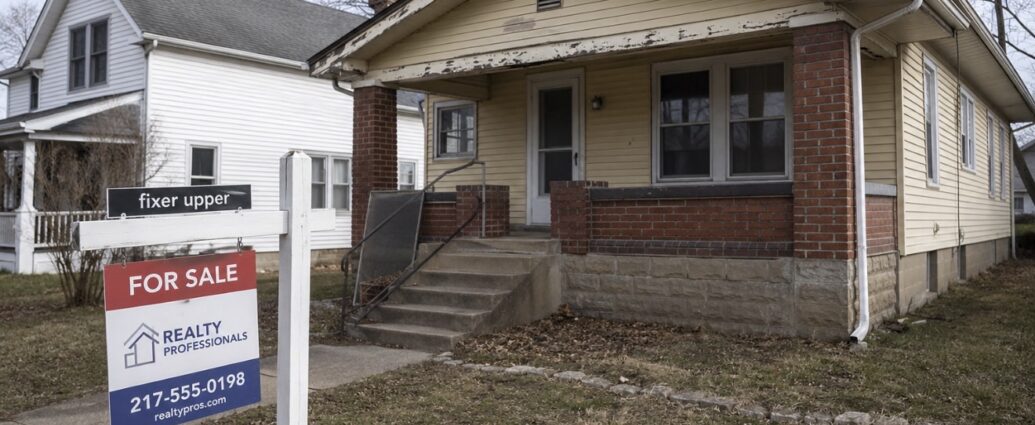
The latest Zillow housing market analysis released Friday is highlighting a significant change in the U.S. housing market as homes requiring substantial renovations are now selling at their deepest discount relative to move-in-ready homes in years. According to the report, buyers are increasingly passing over fixer-uppers despite lower asking prices because soaring renovation expenses, elevated mortgage rates, higher insurance costs, and expensive building materials have fundamentally changed the economics of purchasing a home that needs work.
For decades, buying a fixer-upper represented one of the most reliable paths to homeownership. Families accepted outdated kitchens, aging roofs, old plumbing, and cosmetic flaws in exchange for a lower purchase price and the opportunity to build equity through renovations. Investors built entire businesses around purchasing distressed properties, while television renovation programs helped popularize the idea that anyone could transform an aging home into a valuable asset.
Today’s market tells a different story.
Zillow found that homes requiring significant repairs are now selling at substantially larger discounts than comparable move-in-ready homes. While that might appear attractive on paper, many buyers say those savings disappear once renovation costs are factored into the overall purchase.
Construction costs remain elevated across much of the country. Contractors continue reporting higher labor expenses, longer project timelines, and increased material costs compared with pre-pandemic levels. Many common renovation projects—including roofing, electrical upgrades, HVAC replacements, plumbing, windows, flooring, and kitchens—have experienced sizable cost increases over the past several years.
Mortgage financing has added another layer of pressure.
Rather than financing only the purchase of a home, buyers considering fixer-uppers often must also finance tens of thousands of dollars in improvements while carrying mortgage payments at interest rates well above the historic lows seen earlier this decade. For many households, the combined financial burden has become too great, pushing buyers toward homes requiring little or no immediate work.
Insurance companies have also become more selective with aging properties in certain markets. Older roofs, outdated electrical systems, aging plumbing, and weather-related risks can increase premiums or complicate underwriting, further reducing the financial appeal of purchasing homes requiring major rehabilitation.
The trend is creating two distinctly different housing markets.
Move-in-ready properties continue attracting strong demand because buyers increasingly value certainty. Knowing a home’s major systems have already been updated allows purchasers to budget with greater confidence and reduces the risk of unexpected repair bills shortly after closing.
Homes needing extensive renovations, however, are generally remaining on the market longer and often require larger price reductions before attracting offers. Sellers who once expected buyers to overlook deferred maintenance are increasingly finding that today’s purchasers are calculating renovation costs with far greater precision.
The changing market is also altering the profile of the typical fixer-upper buyer.
Experienced investors, contractors, and cash purchasers remain active because they possess the expertise, labor resources, or purchasing power necessary to manage renovation projects efficiently. First-time homebuyers relying on conventional financing, by contrast, are becoming far more cautious as affordability pressures continue to squeeze household budgets.
The shift illustrates how housing affordability has evolved. In previous years, finding the lowest purchase price often represented the primary challenge. Today, buyers must evaluate the total cost of ownership—including financing, insurance, taxes, maintenance, and renovation expenses—before determining whether a property truly represents good value.
Although housing inventory has gradually improved in many markets, affordability remains constrained by elevated borrowing costs and persistently high home prices. As a result, buyers appear increasingly willing to pay premiums for homes requiring little immediate investment while demanding significantly larger discounts for properties carrying renovation risk.
Industry analysts believe this trend could continue until financing costs moderate or construction expenses decline meaningfully. Until then, the traditional strategy of purchasing the “worst house on the best block” may no longer provide the financial advantage it once did for many American families.
JBizNews Desk | New York
© JBizNews.com All Rights Reserved. Reproduction or distribution without written permission is prohibited.