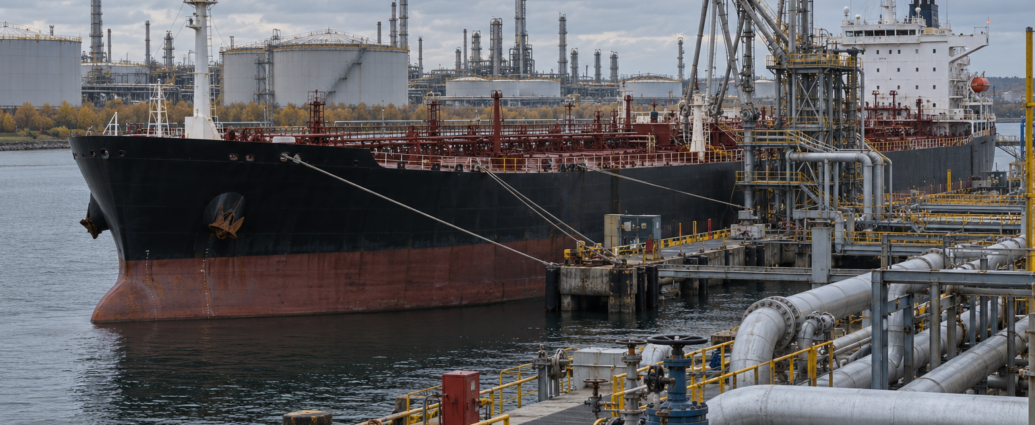
Russia sent more refined fuel overseas in September than in any month since June, even though its diesel exports collapsed under a government ban. Seaborne shipments of refined products averaged about 1.17 million barrels a day last month, according to Vortexa tanker-tracking data, as bigger loads of other fuels made up for the diesel Russia stopped selling abroad.
The reason diesel dried up is damage at home. Ukrainian drone strikes have knocked out large parts of Russia’s refining system, leaving the country short on the fuel its own trucks, farms and railroads need. Moscow banned most diesel exports by producers in July, and what was meant to last a few weeks has now been extended through the end of October.
The drop has been steep. Before this summer’s attacks, Russia exported about 1 million barrels of diesel a day. In the week ending late September, its Black Sea diesel shipments fell to zero for the first time on record, and total Russian diesel exports nearly halved from the week before. Three of the country’s six largest diesel refineries are either shut down or running at about a quarter of their normal pace.
What filled the gap was fuel oil and naphtha. Fuel oil is the thick, heavy fuel burned by cargo ships and some power plants. Naphtha is a light oil used to make plastics and to blend into gasoline. Neither is covered by the diesel ban, and both moved out in larger volumes in September, pushing Russia’s total fuel exports to a three-month high.
Russia is also selling more raw crude. With fewer working refineries to process it, the leftover oil is going straight onto tankers. Russian crude shipments rose to 3.76 million barrels a day in the four weeks through Oct. 4, the most since early August, with India and China as the main buyers while oil from the Persian Gulf remains limited by the fighting between the U.S. and Iran.
For American drivers and businesses, the diesel side of this story is the one that matters. Russia was the world’s second-biggest diesel exporter, behind only the United States, before it started cutting overseas sales this summer. When that supply disappeared, buyers in Europe, Latin America and elsewhere turned harder to American refineries, and U.S. prices followed.
The national average price of diesel hit a record $6.53 a gallon in late September, according to AAA, compared with $3.69 a year earlier. That means a trucker filling a 150-gallon tank now pays roughly $980 instead of about $550. The average had eased to $6.37 a gallon as of Oct. 2. Nearly every tractor-trailer and 3 out of 4 commercial trucks in the U.S. run on diesel, and so does most farm equipment, which is why the cost shows up in grocery bills and shipping charges long after it hits the pump.
Supplies at home are also thin. The Energy Information Administration reported that U.S. stockpiles of diesel and similar fuels were about 13% below the five-year average for this time of year, and warned they could fall below 100 million barrels in October for the first time since 2003.
Relief efforts are now underway. Group of Seven nations and their partners agreed to release 100 million barrels of fuel and oil from emergency stockpiles to bring prices down. After that agreement, President Trump said on Oct. 3 that the U.S. would not ban its own diesel exports, a step several Republican lawmakers had pushed for to lower prices at home. Energy Secretary Chris Wright and oil industry groups had warned that a ban would cause refiners to cut production and push gasoline prices higher. Wright has instead called for working with the industry to increase diesel supply.
Moscow has also signaled its ban may not last forever. Russian Deputy Prime Minister Alexander Novak said on Oct. 2 that the country would consider partly reopening diesel exports if production climbs above what Russia needs at home. President Vladimir Putin, however, said Russia will not supply diesel to world markets until sanctions against it are lifted.
For now, the ban runs through Oct. 31, and with winter heating demand approaching, the fight over every available gallon of diesel is only getting tighter.
JBizNews Desk | Wall Street
© JBizNews.com All Rights Reserved. Reproduction or distribution without written permission is prohibited.