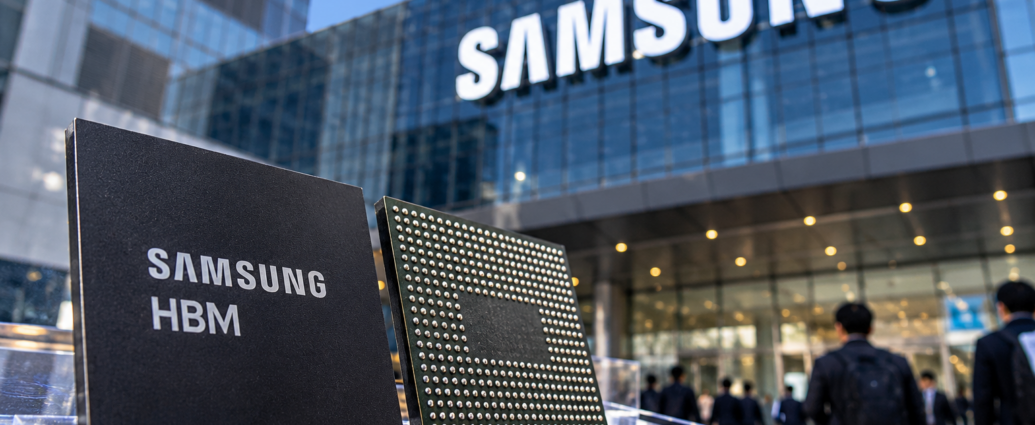
Samsung Electronics expects to report the biggest quarterly profit in its history, more than $80 billion, as the race to build artificial intelligence data centers drives up demand and prices for its memory chips.
In preliminary results filed Thursday, the South Korean company estimated third-quarter operating profit of 107.4 trillion won, or about $80 billion. That is up 782.5% from 12.17 trillion won a year earlier, nearly nine times as much. Revenue jumped about 127% to roughly 195 trillion won, also a company record.
This is the first time Samsung has topped 100 trillion won in operating profit in a single quarter, a first for any South Korean company. The figure alone is more than double the 43.6 trillion won Samsung earned in all of 2025. It also beat Wall Street’s expectations of about 106.1 trillion won, based on the average forecast of 21 analysts tracked by LSEG.
In plain terms, Samsung kept more than 55 cents of operating profit for every dollar of sales, up from about 52 cents the quarter before. For a company that makes everything from smartphones to televisions, that is an extraordinary margin, and it comes almost entirely from chips.
The engine behind the surge is memory. AI systems need enormous amounts of fast memory to work, and Samsung is the world’s largest maker of memory chips. That includes high-bandwidth memory, a specialized type stacked in layers and placed right next to AI processors from companies like Nvidia. Demand has been so strong that prices for standard memory chips used in phones and computers have also kept climbing.
Profit rose about 20% from the second quarter, when Samsung posted what was then a record of about 89.4 trillion won. This marks the fourth straight quarter of record results. Samsung did not break down results by business in Thursday’s filing. A full report, including figures for its chip, phone and display divisions, is expected around Oct. 29.
For American consumers, the boom has a downside. When memory chips get more expensive, so do the products that use them. Smartphones, laptops, gaming consoles and even cars rely on memory, and rising chip costs can push up prices or squeeze features in lower-priced models. The same AI spending that is making Samsung’s profits soar is competing with everyday gadgets for a limited supply of chips.
The results also matter for Wall Street. Samsung is a key supplier to American tech giants racing to build AI data centers, and its numbers are one of the clearest signals of how much money is still flowing into that buildout. This week alone, Oracle, Broadcom and SpaceX were reported to be lining up tens of billions of dollars in loans to buy AI chips. As long as that spending continues, memory makers like Samsung and its South Korean rival SK hynix stand to benefit.
Not everyone is convinced the run can last. Samsung shares fell for two straight sessions heading into Thursday’s report, and the analyst profit estimate had been trimmed by 7.7% since late August. South Korea’s main stock index also dropped 2% on Wednesday as rising oil prices and a stronger dollar hit emerging markets. Investors are watching whether memory prices keep rising, and whether Samsung can win more orders for its newest high-bandwidth chips against stiff competition.
There is also a cost to the boom for Samsung itself. Under a wage agreement reached in May, pay for chip workers is tied to operating profit, which means larger bonus payments as profits climb. Analysts have said those bonus costs held down reported profit in the second quarter.
The figures released Thursday are estimates, and final results could shift slightly when Samsung publishes its full report later this month. But the message is already clear: the AI boom has turned memory chips, once a low-margin commodity, into one of the most profitable businesses in the world.
JBizNews Desk | Seoul
© JBizNews.com All Rights Reserved. Reproduction or distribution without written permission is prohibited.