
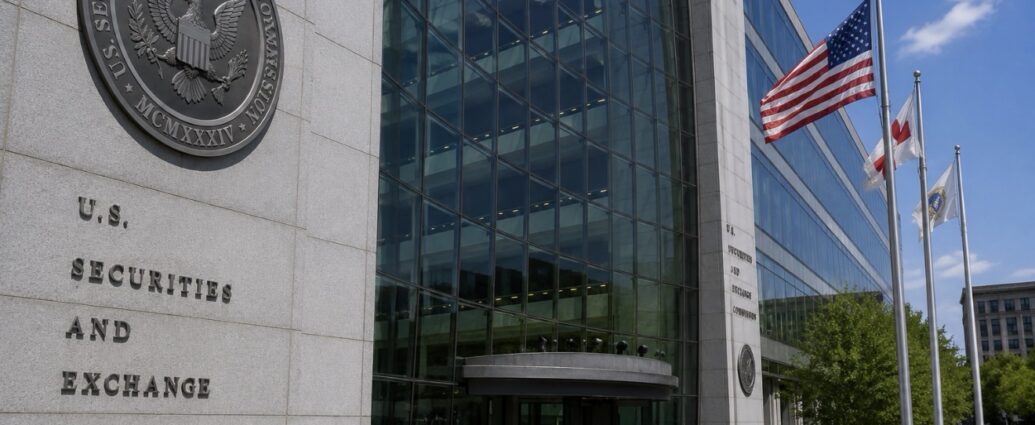
The closing bell may eventually stop marking the end of Wall Street’s trading day. The Securities and Exchange Commission said Thursday it will bring exchanges, brokerages, clearing firms and investors together on September 17 to examine what must change before U.S. stocks can trade around the clock.
Overnight access already exists through several brokerage platforms, but those sessions operate with fewer participants and thinner liquidity than the regular market. Moving toward continuous trading would require the systems behind Wall Street—not only the exchanges themselves—to remain fully operational long after banks, corporate finance departments and much of the federal payment infrastructure have closed for the day.
Clearinghouses would need to manage risk continuously, while brokerages would face additional staffing, cybersecurity and market-surveillance demands. Banks would also need a reliable way to process payments outside traditional business hours, leaving regulators to consider whether expanding trading without matching changes elsewhere could create new points of failure.
Interest in longer hours has grown alongside the number of overseas investors holding American stocks. A market that remains open through the Asian and European business days would allow those investors to respond immediately to corporate announcements and geopolitical developments rather than waiting for New York to reopen.
Greater access, however, would not necessarily mean better prices.
With fewer buyers and sellers active overnight, a relatively small order can move a stock more sharply than it would during regular trading. Wider differences between bid and asking prices could also make transactions more expensive, particularly for smaller companies whose shares already trade less frequently.
Corporate disclosure practices would face their own adjustment. Businesses have long released earnings and other significant announcements before the opening bell or after the market closes, giving investors time to absorb the information before regular trading resumes. A market that never fully shuts would remove that pause and could force companies to reconsider when and how they disclose material news.
Pressure for continuous trading has also increased as cryptocurrencies and other digital assets remain available at all hours. Supporters argue that U.S. equities should offer similar flexibility, while market operators must determine whether a system built around defined sessions can safely handle nonstop activity without weakening investor protection.
September’s discussion will not immediately extend trading hours or establish a new federal rule. It does signal that overnight trading has moved from a limited brokerage service into a broader market-structure question carrying consequences for exchanges, banks, listed companies and investors worldwide.
Whether Wall Street ultimately becomes a 24-hour market will depend less on keeping a trading screen open than on rebuilding the financial machinery operating behind it.
JBizNews Desk | Wall Street
© JBizNews.com All Rights Reserved. Reproduction or distribution without written permission is prohibited.




