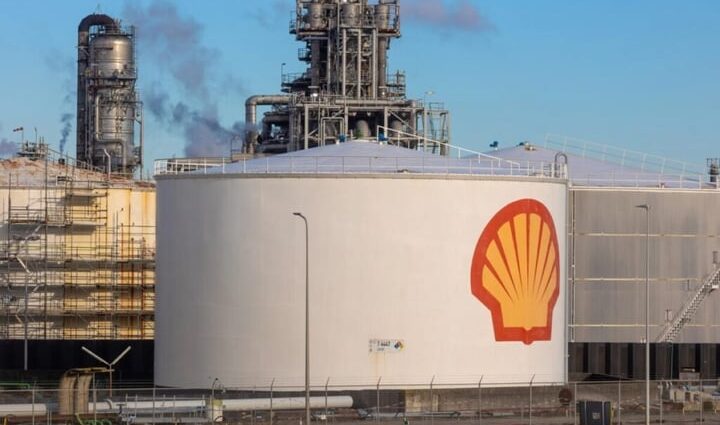
Shell Plc (NYSE:SHEL) is still viewed by many investors as a traditional oil major. In 2026, that may no longer capture the full story.
The company remains deeply tied to global oil and gas markets, but the broader investment case is increasingly shifting toward a larger focus: energy infrastructure, liquefied natural gas, and long-duration transition spending.
That matters because the global energy market is changing. Demand is no longer driven only by crude prices or refining margins. It is increasingly shaped by energy security, LNG trade flows, power demand from data centers, and the massive infrastructure buildout tied to electrification and industrial transition.
Shell sits in the middle of all of those trends.
Why Shell Still Matters In Europe’s Energy Story?
The Netherlands is not expected to be one of Europe’s fastest-growing economies in 2026. GDP growth is projected at around 1.6%, while inflation is expected to stabilize close to 2%.
But Shell’s business has very little to do with Dutch domestic demand.
The company operates as a global energy platform with exposure across:
- Oil production
- LNG trading
- Chemicals
- Refining
- Power markets
- Renewable infrastructure
That global footprint matters because energy demand growth remains much stronger than many European macro numbers suggest.
In practical terms, Shell gives investors exposure to worldwide energy flows rather than the local Dutch economy.
LNG May Be One of The Biggest Parts of The Story
One of the most important shifts in the global energy market since 2022 has been the rise of LNG as a strategic energy asset.
Europe’s energy system changed significantly after the reduction in Russian pipeline gas dependence, and LNG imports became central to supply stability. The Netherlands expanded LNG import capacity during that period, reinforcing its role …





This post was originally published here