By JBizNews Desk — April 29, 2026
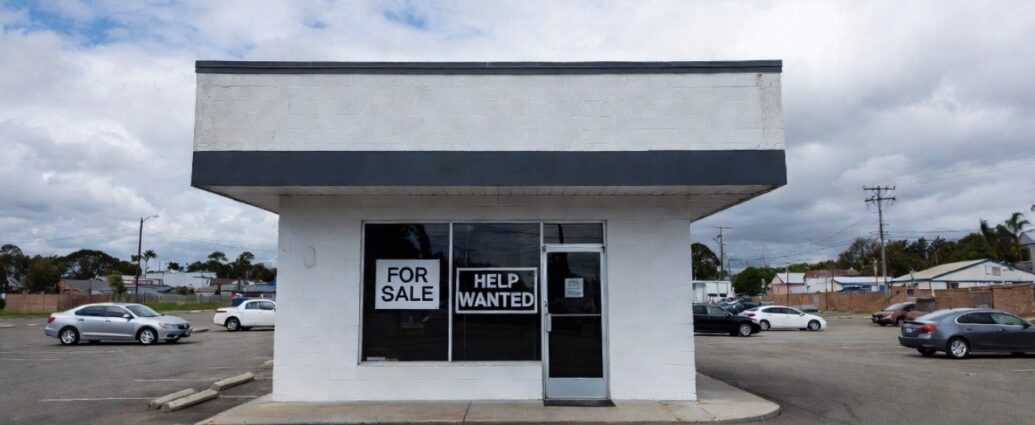
Main Street Insurance Crisis Explodes
Small business owners across America are confronting a severe and unexpected surge in insurance costs that is threatening the very survival of many operations. According to detailed rate filings analyzed across multiple states, small-group health and commercial insurance premiums have risen between 12% and 18% on average in the past year, with some carriers pushing for increases as high as 25–32%. For many owners already battling inflation, labor shortages, and supply chain issues, these hikes represent a breaking point.
Diane Swonk, chief economist at KPMG, described the situation as “a silent killer for small businesses.” She noted that companies with 50 or fewer employees, which rely heavily on ACA-compliant small-group plans, are being hit particularly hard. Many are receiving renewal notices that leave them stunned, facing tens of thousands of dollars in additional annual costs with virtually no advance warning or ability to absorb the burden.
What’s Driving the Brutal Increases
• Soaring fuel and logistics costs inflating overall business risk profiles
• Rising workers’ compensation claims amid ongoing labor market tightness
• Surge in extreme weather events leading to massive property and casualty claims
• Escalating health care expenses, including hospital services, specialty drugs like GLP-1 medications, and physician fees
Oliver Allen, senior U.S. economist at Pantheon Macroeconomics, warned that the impact is most severe for restaurants, retail shops, contractors, and small manufacturers already operating on razor-thin margins. “Businesses simply cannot absorb another 15% jump in costs without making painful decisions,” he said. “We could see thousands forced to close locations, lay off staff, or shut down entirely.”
Real Stories from Owners on the Front Lines
One restaurant owner in Orlando, who asked not to be named while negotiating with carriers, told JBizNews his insurance renewal came in $87,000 higher this year for the same level of coverage. “We’re already paying more for food, labor, and rent. This could be the final straw,” he said. Similar accounts are pouring in from Florida and Texas, where hurricane risk has driven property premiums sharply higher, and from California, where wildfire exposure is creating chaos in commercial insurance markets.
Practical Steps Business Owners Are Taking
Gina Bolvin, president of Bolvin Wealth Management Group, is actively advising clients on survival strategies:
• Aggressively shopping multiple carriers for better rates
• Implementing workplace safety programs to reduce workers’ compensation claims
• Strengthening cybersecurity measures to lower liability premiums
• Exploring higher deductibles or joining professional employer organizations (PEOs) for pooled buying power
Despite these efforts, many owners report limited success, as insurers continue tightening terms amid broader economic uncertainty.
Broader Ripple Effects
Small businesses employ nearly half of the U.S. private workforce. Sustained premium pressure could slow hiring, dampen wage growth, and force price increases that ultimately hit consumers. The crisis also raises questions about access to affordable health coverage for millions of workers who depend on their employers.
Outlook
With renewal season in full swing and no immediate relief from insurers or policymakers in Washington, many small business owners are entering a period of deep uncertainty. Some are delaying expansions, freezing wages, or reconsidering whether they can continue offering health benefits at all. For everyday Americans who rely on small businesses for jobs, goods, and services, this insurance shock is no longer abstract — it is a direct threat to Main Street stability.