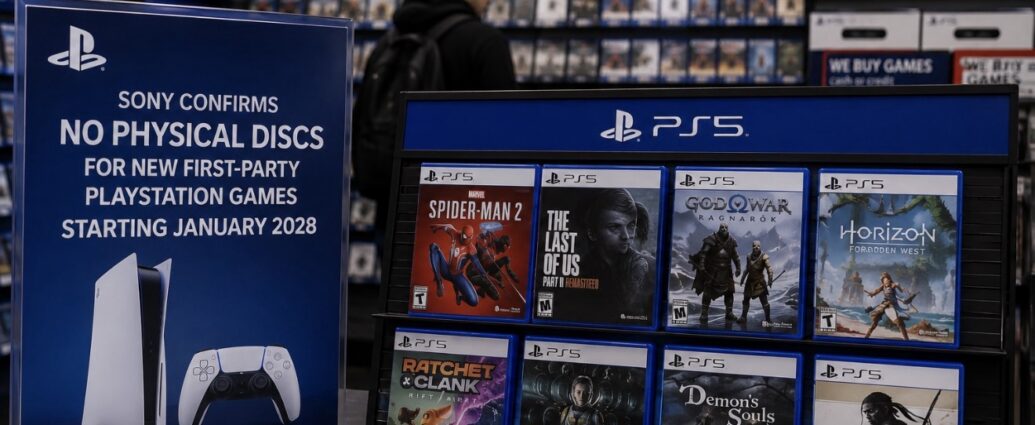
TOKYO — Wednesday, July 22, 2026 — Sony Group Corp. is accelerating its transition to a digital-first gaming strategy after confirming that future first-party PlayStation titles released beginning in January 2028 will no longer be produced on physical discs, a move that could reshape the video-game retail industry and reduce one of gaming’s largest secondary markets.
The decision marks one of the biggest changes in PlayStation’s nearly three-decade history. While players will still be able to purchase and download games digitally through the PlayStation Store, collectors, retailers and used-game sellers face a future in which newly released Sony-developed titles will no longer have physical editions available for resale.
The announcement immediately renewed debate across the gaming industry over digital ownership. Unlike physical discs that can be sold, traded or collected, digital purchases are tied to a customer’s online account and generally cannot be resold. That shift could gradually reduce the inventory flowing through used-game retailers while strengthening Sony’s direct relationship with consumers.
Industry analysts estimate the global market for pre-owned video games generates several billion dollars annually through retailers, online marketplaces and independent game stores. While third-party publishers may continue offering physical editions beyond 2028, Sony’s decision affects some of the industry’s largest franchises, including titles produced by PlayStation Studios.
For Sony, the economics strongly favor digital distribution. Eliminating disc manufacturing, packaging, shipping and retail logistics reduces production costs while allowing the company to retain a larger share of software revenue through direct digital sales. Digital distribution also enables faster global launches, automatic updates and expanded downloadable content without the constraints of physical inventory.
The move follows a broader trend across the entertainment industry. Music, movies and television have largely shifted from physical media to digital platforms over the past decade, and video games have steadily followed as internet speeds, cloud infrastructure and digital storefronts have improved. Sony has reported that digital downloads now account for a substantial majority of PlayStation software purchases.
Retailers, however, face new challenges. Chains that have historically relied on high-margin used-game sales may need to place greater emphasis on gaming hardware, accessories, collectibles, subscriptions and other services as physical software sales continue to decline. Independent game stores could face similar pressure as fewer new physical titles enter the resale market.
Consumers remain divided. Supporters argue digital distribution offers greater convenience, instant access and eliminates damaged or lost discs. Critics counter that physical games provide true ownership, preserve resale value and offer protection against future licensing changes or the removal of digital content from online stores.
The transition is expected to unfold gradually over the next 18 months, giving retailers and consumers time to adjust before Sony’s new policy takes effect. Even after January 2028, physical games from third-party publishers are expected to remain available unless those companies adopt similar strategies.
For businesses and investors, Sony’s decision underscores a broader shift toward recurring digital revenue models that continue reshaping the entertainment industry. As publishers increasingly prioritize direct-to-consumer sales, the economics of gaming are likely to continue moving away from physical products and toward digital ecosystems.
JBizNews Desk | Wall Street
© JBizNews.com. All Rights Reserved. Reproduction or distribution without written permission is prohibited.