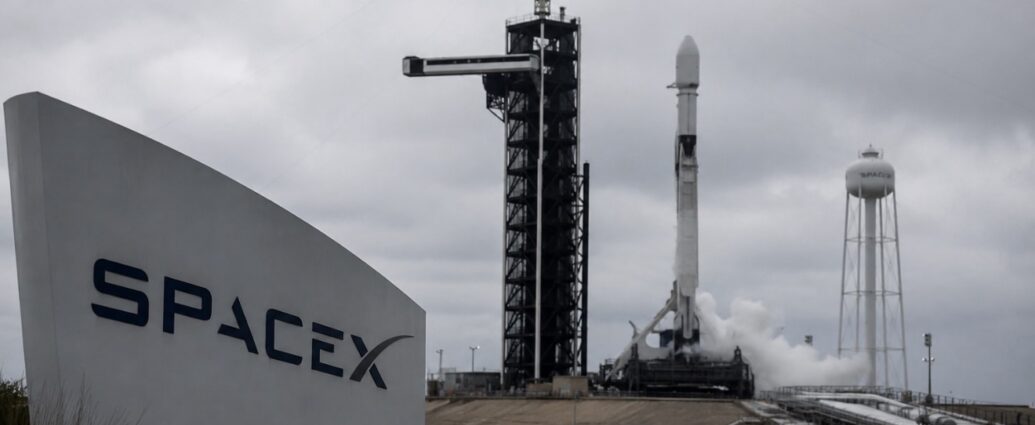
SpaceX shares tumbled Friday after the company aborted its latest Starship launch attempt because of an engine issue, putting the aerospace and artificial intelligence company on track to erase more than $1 trillion in market value from the record high it reached only weeks after its historic public debut. According to SpaceX’s official launch updates, company statements, and market trading data released Friday, the selloff accelerated as investors reacted to the launch setback while continuing to reassess one of the largest and fastest post-IPO rallies in Wall Street history.
The decline marks a dramatic reversal for what had become the market’s most closely watched public company. After completing the largest initial public offering on record earlier this summer, SpaceX quickly surged to one of the world’s highest market valuations as investors poured into the stock, betting the company’s dominance in commercial launches, satellite communications, artificial intelligence infrastructure and future deep-space transportation would justify an unprecedented premium.
Friday’s losses added to weeks of selling pressure that has steadily erased much of that enthusiasm. At session lows, shares fell nearly seven percent before recovering modestly, leaving the company’s market capitalization near $1.6 trillion, down from approximately $2.64 trillion reached shortly after trading began in June. That represents one of the largest market-value declines ever recorded over such a short period.
The immediate catalyst was Thursday’s scrubbed Starship mission. During the countdown, engine startup problems triggered an automatic abort before liftoff. Company engineers safely halted the launch sequence, and Elon Musk later confirmed that two Raptor engines would be replaced before another launch attempt expected as early as next week.
Although launch delays are common throughout the aerospace industry and are generally viewed as part of the company’s aggressive testing strategy, the postponement renewed concerns among investors that expectations surrounding SpaceX’s long-term growth had become stretched after the stock’s explosive debut.
The company occupies a unique position in global aerospace. Beyond its launch business, SpaceX operates Starlink, the world’s largest satellite broadband network, maintains extensive contracts with the U.S. government and defense agencies, and plays a central role in NASA’s future lunar exploration program. Investors have also assigned significant value to the company’s expanding artificial intelligence initiatives and next-generation computing infrastructure.
Even with Friday’s decline, SpaceX remains among the world’s most valuable publicly traded companies. However, analysts note that companies experiencing record-breaking IPOs often encounter periods of elevated volatility as early enthusiasm gives way to closer scrutiny of earnings, execution, cash flow and long-term valuation assumptions.
Another factor weighing on sentiment is the approaching expiration of insider lockup periods. As restrictions are lifted over the coming months, additional shares held by employees and early investors could become eligible for sale, increasing supply in the public market and potentially adding to near-term volatility. Market participants frequently monitor these milestones closely because they can influence trading activity regardless of a company’s underlying operating performance.
Despite the recent correction, long-term investors continue to point to SpaceX’s leadership across multiple industries. The company remains the dominant provider of commercial launch services, continues expanding Starlink globally, and is expected to remain a major contractor for government and commercial space missions for years to come. Bulls argue that those businesses, together with future Starship capabilities, could ultimately justify much higher valuations if execution matches expectations.
Whether the recent selloff proves to be a temporary reset following an extraordinary rally or marks the beginning of a broader revaluation will likely depend on future Starship milestones, upcoming financial results, execution across the company’s artificial intelligence initiatives, and investors’ willingness to continue assigning premium valuations to long-duration growth companies.
JBizNews Desk | New York
© JBizNews.com All Rights Reserved. Reproduction or distribution without written permission is prohibited