British Prime Minister Keir Starmer has lost his fight for political survival after the Labor Party’s historic local election defeat on May 7 sparked a full-scale rebellion within his own party.
The embattled leader has reportedly told close allies he has decided to step down, concluding the current situation is “unsustainable.” He will resign “in a manner of his own choosing,” the Daily Mail reported on Sunday, citing a cabinet minister.
Nearly 100 Labor Members of Parliament (MPs) have called for his resignation. Senior cabinet members, including Foreign Secretary Yvette Cooper, Home Secretary Shabana Mahmood, Defense Secretary John Healey, and Energy Secretary Ed Miliband, reportedly urged him to go.
Starmer has navigated an internal mutiny while managing mass public protest. This has added a further layer of uncertainty for investors already pricing in UK political risk. Government borrowing costs surged to post-Great Financial Crisis highs as markets priced in the mounting uncertainty.
“For many, the writing is on the wall at this stage,” Jordan Rochester, Head of EMEA FICC Strategy at bank holding company Mizuho, said Tuesday. “It’s just a matter of how quickly the exit happens. If Starmer goes, it will make history. No sitting Labour prime minister has ever faced a leadership challenge or been removed by his own party.”
Starmer’s political crisis converged on Saturday with the Unite the Kingdom march organized by right-wing activist Tommy Robinson. The protest drew more than 60,000 people to central London, one of the largest far-right demonstrations in recent British history. It amplified pressure on a government already struggling to contain the fallout from its election collapse.
Starmer Pledges to Address Challenges
In a speech on May 11, Starmer pledged to “face up to the big challenges” on defense, immigration, and Europe. He stated his intention to remain prime minister, though few in his own party appeared to be listening.
“The Labour Party has a process for challenging a leader and that has not been triggered,” he said. “The country expects us to get on with governing. That is what I am doing and what we must do as a cabinet.”
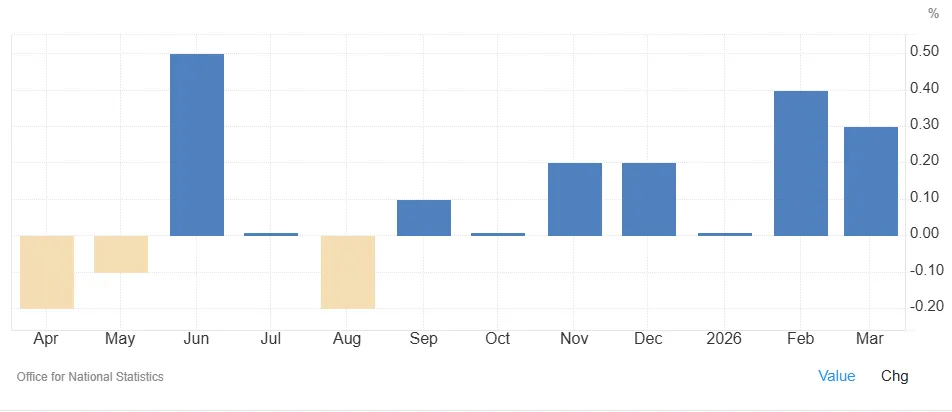
Labour and the Conservatives, who have shaped Britain’s political landscape since the 1920s, hemorrhaged support during the elections. The economic backdrop offered little comfort. GDP grew just 0.3% month-on-month in March, slowing from 0.4% in February.





This post was originally published here