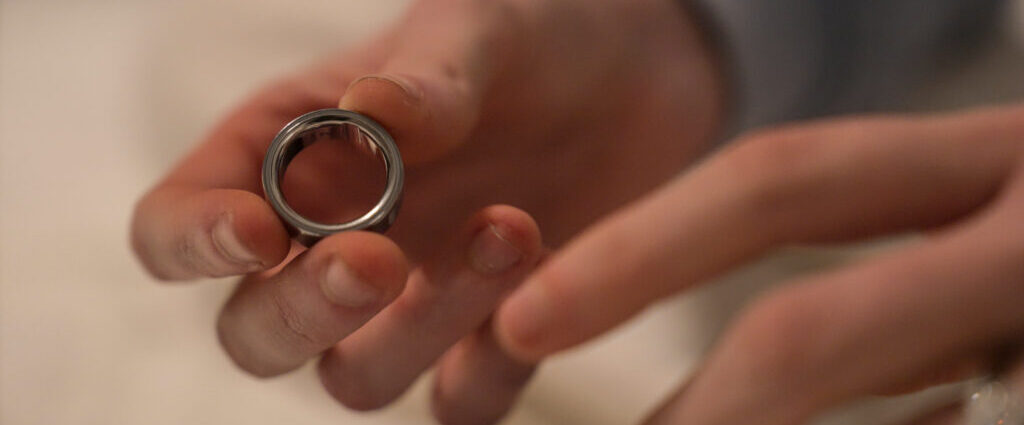
In early January, the Food and Drug Administration delivered on the Trump administration’s deregulatory promises by allowing more wellness products to be marketed without the agency’s authorization. Leaders at smart ring maker Oura swiftly planted the pivot foot.
“As soon as this guidance came out, literally the same day, we started having conversations with our product team around what our roadmap looks like, features that we could bring in and actually ship sooner,” Ricky Bloomfield, the company’s chief medical officer, told STAT less than a week after the FDA announcement. He added: “this guidance helps give us more confidence that we can release features sooner and not have to spend months getting additional clarification from the FDA.”
One thing FDA clarified in the updated guidance is that companies can release products that use sensors to “estimate, infer, or output” blood pressure and blood glucose readings without approval, if they are intended for wellness purposes. In a speech at the Consumer Electronics Show the day the guidance was announced, the FDA commissioner at the time, Marty Makary, said his agency would “get out of the way” of products that weren’t making medical or clinical claims. “This reduces the amount of subjectivity by regulators and guesswork by developers,” he said.
Five months later, consumer technology giants have already taken advantage. Oura on Thursday announced a refreshed model of its ring and a battery of new features, including two aimed at providing users with insights on blood pressure. In March, Samsung released a smartwatch feature that offers users readings of their systolic and diastolic blood pressure.
Elsewhere, upstart developers are racing to market with do-it-all devices. A smart ring called the Pin Pulse, which claims to offer readings of blood pressure, blood glucose, sleep insights, and more, raised $260,000 in a Kickstarter campaign that ended in April. The product was conceived by recent University of California, Berkeley graduate students who partially outsourced technical development to a team in China.
Optimistically, the new wave of blood pressure products may help raise awareness about a deadly hypertension epidemic, regulatory and clinical experts told STAT. After all, nearly half of American adults have high blood pressure, and many people have no idea until they have a heart attack. Realistically, experts are concerned that the underlying technology is still novel and unproven, and that a flood of confusing features may mislead users about the state of their health and prevent them from pursuing necessary care.