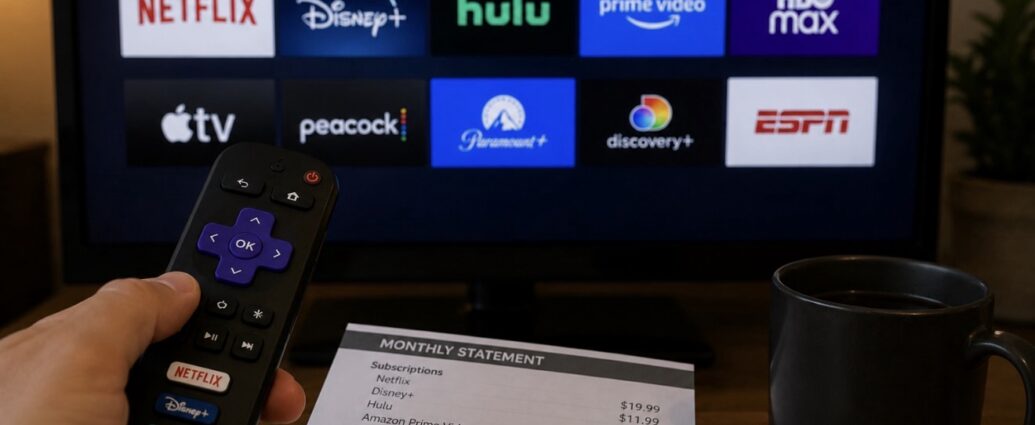
The monthly bills that quietly drain American bank accounts are creeping higher again, and the companies behind them are betting customers will keep paying. Netflix, the industry leader with more than 300 million members, raised prices in March for the second time in just over a year, pushing its standard ad-free plan to around $20 a month — more than double the cost of its ad-supported tier at roughly $9. The move, confirmed in the company’s own pricing and financial filings, is the clearest signal yet of where the subscription economy is headed: pay more, or accept ads.
The increases are spreading across the streaming landscape. Disney+ raised its ad-supported plan to $11.99 and its premium no-ads tier to $18.99, while its bundle with Hulu and HBO Max climbed to nearly $33 a month. Peacock pushed its premium plans up $3 each, and Apple TV raised its monthly price to $12.99, the third increase since the service launched. Paramount+ lifted U.S. prices in January. For a household juggling three or four services, the increases add up to real money.
The financial strain is measurable. According to Deloitte’s March Digital Media Trends report, average household spending on streaming has held around $69 a month, but 61% of consumers say they would cancel a service if its price rose by just $5. That threshold explains why companies are shifting strategy rather than simply charging more. About 68% of subscribers now use ad-supported tiers, and over the past two years roughly 71% of new subscriber growth came from those cheaper, ad-filled plans, according to subscription tracker Antenna.
The logic is what one industry executive called “a double payday.” Because ads are sold based on how much people watch, a heavy viewer on a cheap ad-supported plan can generate more revenue than a light viewer paying full price. “It’s a double payday,” said Kevin Krim, chief executive of ad-measurement firm EDO, describing why streamers now prize engagement as much as the monthly fee. The result, critics note, is that streaming increasingly resembles the cable bundle it was supposed to replace: rising prices, more ads, and a confusing thicket of tiers.
Software is following the same path, and here the driver is artificial intelligence. Microsoft raised the price of its personal Office 365 subscription by 43% in February — and 30% for the family plan — after keeping prices flat for roughly a decade. The reason was Copilot, the AI assistant the company folded into the service. It was the first time many households had seen their word-processing and spreadsheet subscription jump in years, and it reflects a broader industry move to bake AI features into products and charge for them.
For consumers, the pattern is the same whether the product is a movie or a memo. Companies add a feature — ads that lower the sticker price, or AI tools that raise it — and the monthly cost of digital life inches upward. Because these are recurring charges billed automatically, they are easy to overlook and easy to accumulate. A few dollars here and there across streaming, music, storage, and software can quietly become one of the larger discretionary lines in a family budget.
The squeeze lands at a difficult moment. With the personal savings rate near multiyear lows and gas prices climbing again on the renewed Middle East conflict, households have less room to absorb even small increases. That helps explain why cancellation is rising as a tool: subscribers increasingly sign up for a single show, watch it, and cancel, or rotate services month to month to keep costs down.
Consumer advocates suggest a periodic audit — listing every recurring charge, canceling what goes unused, and taking advantage of ad-supported tiers or annual plans that can lower the effective monthly rate. The streaming and software companies are counting on inertia, the tendency of subscribers to keep paying for services they barely use.
The bigger picture is a digital economy steadily raising the cost of participation. Between AI features on the software side and advertising on the entertainment side, the companies have found new ways to grow revenue from the same customers. For households, the challenge is keeping track of it all — and deciding, service by service, what is still worth the price.
JBizNews Desk | New York
© JBizNews.com All Rights Reserved. Reproduction or distribution without written permission is prohibited.