JBizNews Desk — May 27, 2026
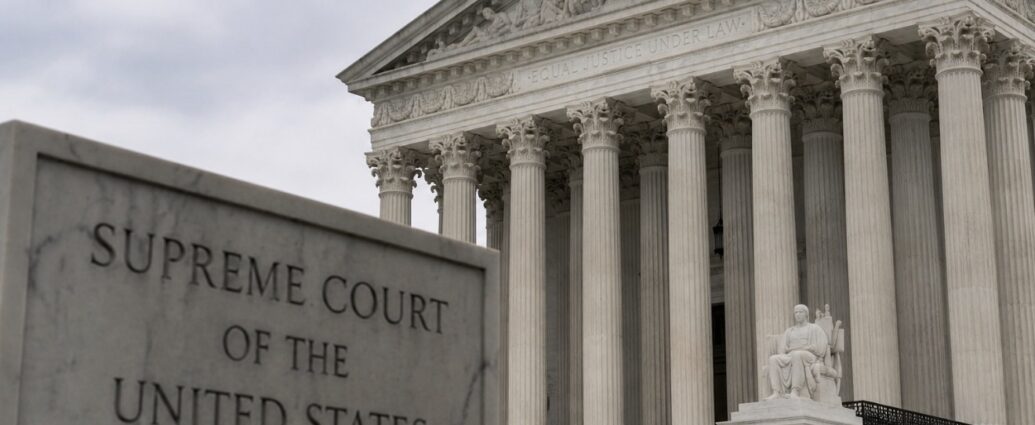
The U.S. Supreme Court on Tuesday declined to hear an appeal from Meta Platforms, allowing the state of Vermont to continue pursuing a lawsuit accusing the company of designing Instagram to addict young users — a decision that significantly increases the likelihood Meta could face similar legal exposure across all 50 states.
The justices rejected Meta’s attempt to overturn a lower-court ruling that allowed Vermont’s case to proceed, leaving intact a decision by the Vermont Supreme Court that found the state has jurisdiction to sue the social-media giant over harms allegedly caused to teenagers using Instagram. As is customary in denied appeals, the Supreme Court did not provide an explanation for its decision.
The ruling does not determine whether Meta violated any law. Instead, it clears the way for Vermont’s claims to move forward through discovery and trial proceedings — and sends a broader signal that states may continue pursuing consumer-protection and youth-harm lawsuits against major technology companies in their own courts.
The implications for Meta stretch far beyond Vermont.
The company had argued that allowing states to individually sue over platform design and user harms would expose Meta to litigation nationwide, creating what it described as an unconstitutional burden under the 14th Amendment’s due-process protections. By declining to intervene, the Supreme Court effectively left that exposure in place.
The Vermont lawsuit is part of a wider coordinated legal effort involving attorneys general from 42 states pursuing actions tied to youth mental health, platform addiction, and alleged deceptive practices involving minors.
At the center of the dispute is how Instagram was allegedly engineered.
Vermont Attorney General Charity Clark argues in court filings that Instagram was intentionally designed to exploit the psychology and neurological development of teenagers in order to maximize engagement, increase screen time, and ultimately generate greater advertising revenue.
The Vermont Supreme Court ruled in 2025 that companies operating nationwide and actively profiting from users inside a state can reasonably expect to be sued there. That interpretation now stands after the Supreme Court’s refusal to hear the case.
For Meta, the decision adds to mounting legal pressure surrounding allegations that its platforms harm children and teenagers.
Earlier this year, a Los Angeles jury found both Meta and Google negligent in a case tied to the mental-health impact of social media on a young user, awarding approximately $6 million in damages. Separately, a New Mexico jury concluded that Meta violated that state’s consumer-protection laws by misrepresenting the safety of Facebook, Instagram, and WhatsApp for younger users, resulting in a damages award of roughly $375 million.
Additional lawsuits remain active in states including Massachusetts and New Mexico.
The financial risk compounds quickly.
Each individual state case carries separate discovery costs, potential damages, legal fees, and the possibility of court-ordered operational changes to platform design and safety features. A single adverse verdict can reach into the hundreds of millions of dollars. Multiple losses across jurisdictions could transform what might otherwise be manageable litigation into a long-term structural risk for the company.
Meta has repeatedly denied claims that its platforms are intentionally harmful to children and says it continues investing in parental controls, teen-safety features, and content protections designed to improve the online experience for younger users.
For the broader technology industry, Tuesday’s Supreme Court order sends a clear message: courts remain increasingly willing to scrutinize not only what users post online, but how platforms themselves are intentionally designed to maximize engagement and profit.
The decision also weakens one of Silicon Valley’s longstanding legal defenses — the idea that nationwide technology companies can avoid being dragged into dozens of separate state-level courts simultaneously.
For Meta, the legal battle now continues one state at a time.
Washington — JBizNews Desk
© JBizNews.com All Rights Reserved. Reproduction or distribution without written permission is prohibited.