Jobless Claims Climb to 211,000 as Iran War and Inflation Pressures Begin Weighing on U.S. Hiring
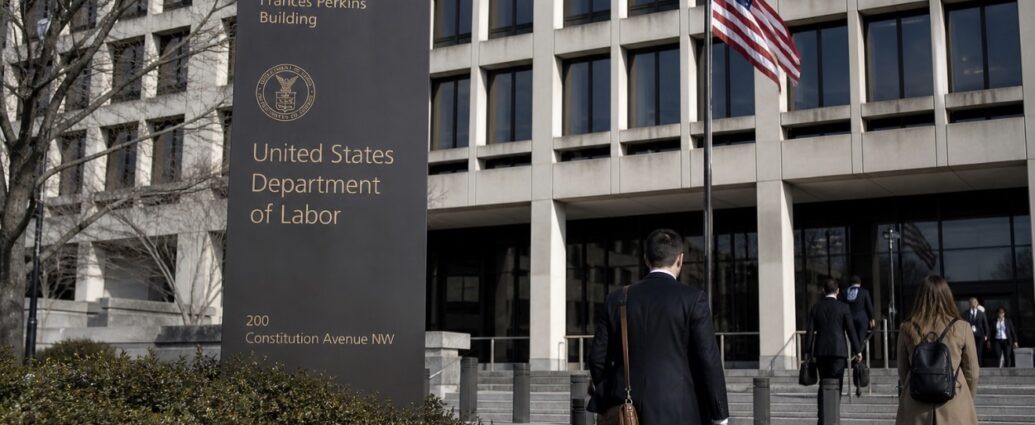
Americans filing new claims for unemployment benefits rose more than expected last week, the Labor Department said Thursday, adding to evidence that a labor market long described as resilient is beginning to show strain as the war with Iran drives energy and goods prices sharply higher across the economy.
Initial claims for state unemployment insurance increased by 12,000 to a seasonally adjusted 211,000 in the week ended May 9, according to the Labor Department. Economists polled by Reuters had forecast 205,000, while a separate FactSet survey projected 207,000. The prior week’s tally was revised upward to 199,000.
Continuing claims — which measure the number of Americans remaining on unemployment benefits after their initial filing and are often viewed as a proxy for hiring conditions — rose by 24,000 to 1.782 million in the week ended May 2, the highest level in several months. Together, the figures point to a labor market that has not yet broken under the pressure of rising costs and slowing growth, but is increasingly showing signs of fatigue.
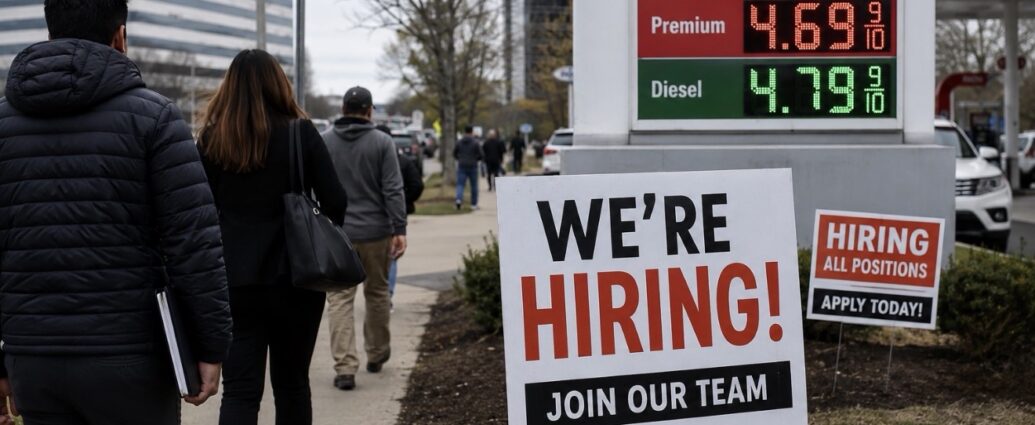
The latest employment data arrive as businesses across the United States confront a rapidly worsening cost environment tied to the expanding U.S.-Israel conflict with Iran. Disruptions in the Strait of Hormuz have pushed crude oil prices sharply higher in recent weeks, sending gasoline prices above $4 per gallon nationwide and lifting costs for transportation, chemicals, fertilizers, plastics, packaging materials and industrial manufacturing inputs.
Those pressures intensified Wednesday after the Bureau of Labor Statistics reported that the Producer Price Index surged 1.4% in April — the largest monthly increase in four years and nearly triple economist expectations. On an annual basis, wholesale inflation accelerated to 6.0%, its fastest pace since late 2022.
Economists say the combination of stubborn inflation and slowing demand is creating a more difficult environment for employers, particularly in industries heavily exposed to fuel and freight costs.
“Inflation is sticky and accelerating, and that eventually shows up in the labor market,” said Chris Rupkey, chief economist at fwd.bonds, in a research note Thursday. “Companies cannot absorb four-year-high cost increases forever without trimming payroll.”
The unemployment rate remained at 4.3% in April even as the economy added 115,000 jobs, reflecting what analysts increasingly describe as a “low-hire, low-fire” labor market. Employers are still reluctant to conduct broad layoffs after years of labor shortages, but they are also slowing recruitment, reducing overtime, and becoming more selective about expansion plans.
That shift is becoming more visible inside corporate America.
Cisco Systems said Wednesday evening it would begin a fresh round of layoffs on May 14 affecting fewer than 4,000 employees, or under 5% of its global workforce, despite reporting strong quarterly earnings and raising its financial outlook. Revenue climbed 12% to $15.84 billion as demand for artificial-intelligence networking infrastructure accelerated.
Chief Executive Chuck Robbins described the layoffs as part of a broader capital reallocation toward AI infrastructure and automation. In a message to employees, Robbins said companies competing in the AI era would require “focus, urgency, and the discipline to continuously shift investment.”
Cisco’s move mirrors a broader trend spreading across major technology and corporate employers this year. Microsoft, Meta Platforms, Alphabet, and Salesforce have all announced selective workforce reductions despite posting solid earnings growth, underscoring how artificial intelligence and economic uncertainty are reshaping white-collar employment patterns.
At the same time, job seekers are finding it increasingly difficult to secure new positions. Hiring platform Indeed reports that job postings remain roughly 12% below year-ago levels, while the average duration of unemployment has gradually increased over recent months.
Industries most sensitive to fuel and commodity prices — including trucking, airlines, food processing, logistics, chemicals and manufacturing — are already beginning to slow hiring activity, according to economists and staffing firms tracking labor demand.
Federal employee claims, which markets have monitored closely following recent government shutdown disruptions and agency budget uncertainty, were largely stable. Initial claims filed by federal workers fell by 46 to 392, suggesting the broader increase in unemployment filings came primarily from the private sector.
Financial markets reacted cautiously to the report. Dow futures edged lower following the release, while the U.S. Dollar Index rose modestly to 98.58. Treasury yields remained elevated, with the benchmark 10-year yield holding above 4.85% and the 30-year Treasury yield crossing 5.05% for the first time since May 2025.
The rise in long-term yields reflects growing concern that the Federal Reserve may need to keep interest rates elevated longer than markets had anticipated earlier this year.
Susan Collins, president of the Federal Reserve Bank of Boston, said this week that an additional rate increase “could be in the cards” if inflation pressures continue spreading across the economy — comments that added fresh hawkishness to the Fed outlook just as labor-market indicators begin to soften.
Markets are now increasingly focused on whether incoming Federal Reserve Chair Kevin Warsh will prioritize fighting inflation even at the expense of slower economic growth and weaker hiring conditions.
For now, consumer spending has continued to hold up despite weakening sentiment. Retail sales released Thursday morning rose 0.5% in April, marking a third consecutive monthly increase and suggesting households are still spending even as borrowing costs rise and inflation erodes purchasing power.
Whether Thursday’s uptick in jobless claims proves to be the beginning of a broader labor-market slowdown — or merely temporary weekly volatility — may depend heavily on oil prices, inflation trends, and how long consumers can continue absorbing higher costs without sharply pulling back spending.
JBizNews Desk
© JBizNews.com. All rights reserved. This article is original reporting by JBizNews Desk. Unauthorized reproduction or redistribution is strictly prohibited.