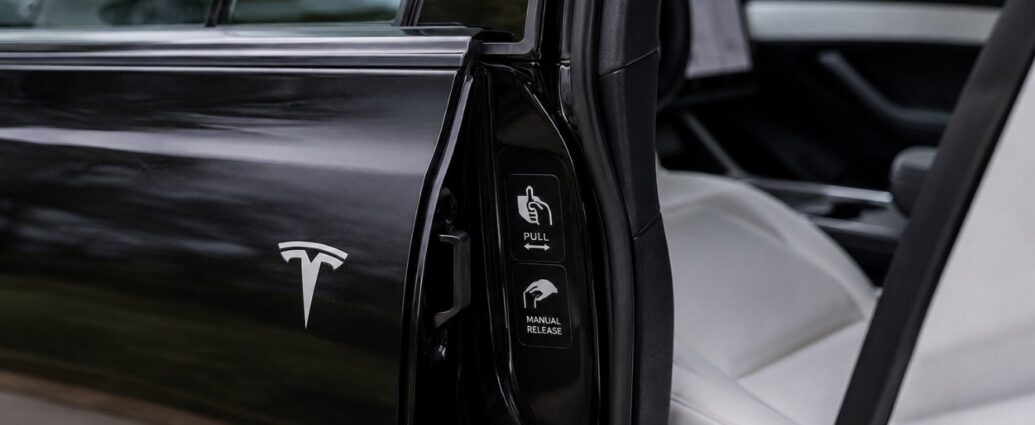
What began with investigations into several fatal Tesla crashes is now expanding into a broader review that could affect every automaker selling vehicles in the United States. The National Highway Traffic Safety Administration (NHTSA) is examining whether federal vehicle door safety standards should be updated as electronically operated door systems become more common—a review that could lead to the first major overhaul of U.S. door safety requirements in decades.
The agency’s work follows growing concerns over whether occupants can quickly exit vehicles after severe crashes that disable electrical systems. While Tesla’s door design has drawn the greatest public attention following several fatal incidents, regulators are looking beyond one manufacturer to determine whether existing federal standards still provide adequate protection as the industry shifts from mechanical door latches to electronically controlled systems.
That distinction matters because the issue is no longer limited to Tesla.
Electronic door systems are becoming increasingly common across the automotive industry as manufacturers pursue improved aerodynamics, security and vehicle design. Most include manual emergency releases, but their location, operation and accessibility vary between models. Regulators are now evaluating whether those differences warrant new nationwide safety requirements.
Tesla has maintained that its vehicles include manual emergency door releases for use when electrical power is unavailable and provides guidance to owners on how those systems operate. Even so, fatal crashes, consumer complaints and ongoing investigations have intensified questions about whether emergency exits are sufficiently intuitive during the confusion and urgency that follow a serious collision.
The federal review does not conclude that Tesla or any other automaker violated existing safety regulations. Instead, it reflects a broader effort to determine whether rules developed decades ago adequately address today’s software-driven vehicles, where functions once controlled mechanically are increasingly managed electronically.
Any new federal standard remains years away, but the conversation has already shifted. What started as scrutiny of one manufacturer’s door system is becoming a broader examination of whether decades-old safety rules have kept pace with software-driven vehicles. If regulators decide they haven’t, every automaker—not just Tesla—will be building to a different standard.
JBizNews Desk | Wall Street
© JBizNews.com All Rights Reserved. Reproduction or distribution without written permission is prohibited