One day, 2026 might enter the history books alongside 1973 as a year that reordered the global energy landscape.
The Iran war has effectively locked down the Strait of Hormuz and baked in the loss of at least 1 billion barrels of supply ― and the snowballing impact of the event is reordering global energy dependencies and trade relationships.
Such a shift is particularly profound for Asia, the world’s largest oil consumers, which is strongly dependent on energy from the Persian Gulf and is now forced to patch its supply chains.
This pivot is already visible in the data: Asia’s crude imports are on track for their lowest April level since 2016. In their place, refiners are aggressively sourcing U.S. WTI, U.S. Mars, Kazakh CPC Blend, and West African sweet crude to keep their economies afloat.
“It’s possible that oil flows through the Strait of Hormuz will never return to pre-war levels, Amrita Sen, director of research at Energy Aspects, said at the FT Commodities Global Summit in Lausanne.
America Becomes The World’s Backup Barrel
During a recent interview on CNBC’s Squawk Box, President Donald Trump noted a development in the physical market.
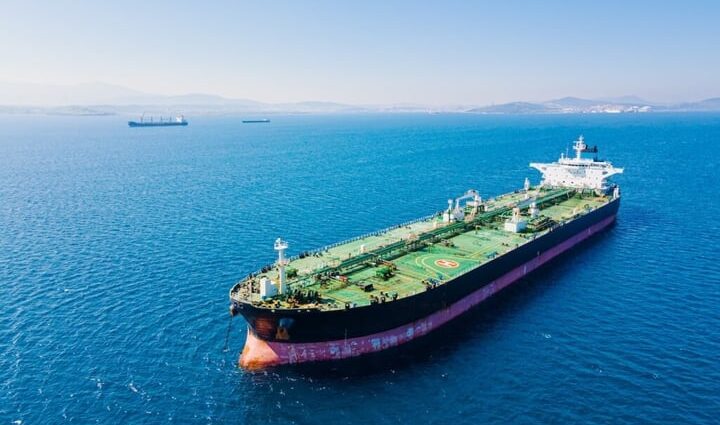
Trump said that the world’s largest oil tankers are …





This post was originally published here