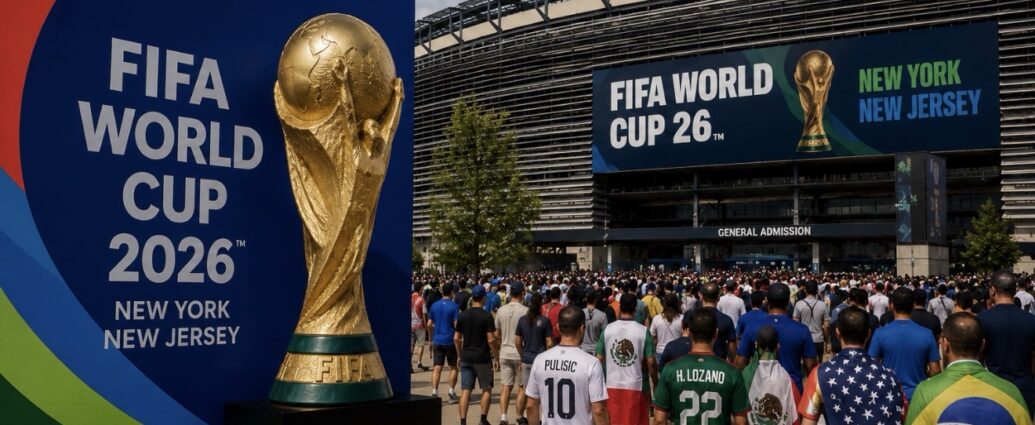
The world’s biggest sporting event is underway in the United States, but many businesses that expected an immediate economic windfall are still waiting.
Hotels, restaurants, airlines, and tourism operators across several host cities entered the 2026 FIFA World Cup expecting a surge of international visitors. While demand has increased, early results suggest the benefits are arriving unevenly.
“Demand is real and positive, but it’s not evenly distributed across host cities,” said Jay Wardle, president of travel-data company Sojern.
The expectation was straightforward.
More teams, more matches, and more fans would mean more spending.
FIFA has projected the tournament could contribute approximately $17.2 billion to U.S. GDP, while a study by Tourism Economics estimated international visitors would stay roughly 12 days, attend multiple matches, and spend more than $400 per day.
The reality has been more complicated.
Deutsche Bank estimates that even if the tournament attracts approximately 1.2 million international visitors, the impact on U.S. GDP would amount to only about 0.05% — meaningful but relatively small within the context of the overall American economy.
Travel data reveals substantial variation between host cities.
According to Sojern, flight bookings have increased approximately 13% in Houston, 10% in Dallas-Fort Worth, and around 8% in both Miami and New York.
Other cities have not experienced the same gains.
Seattle is reportedly tracking below last year’s pace, while several host locations outside the United States have also seen softer demand than anticipated.
One challenge has been affordability.
The expanded World Cup format created more matches and significantly more available seats. At the same time, high ticket prices, expensive travel costs, and visa-related hurdles have discouraged some international visitors.
Hotels have already adjusted expectations.
Several major properties have reduced room rates after the anticipated surge in foreign visitors failed to fully materialize.
Marriott International CEO Anthony Capuano recently indicated that the company expects only a modest increase in U.S. hotel revenue from the tournament.
Meanwhile, short-term rental operators appear to be benefiting.
Airbnb has stated that it expects the World Cup to become its largest event-driven demand period ever, surpassing even the 2024 Paris Olympics.
The spending is arriving.
It is simply flowing through different channels than many traditional hospitality operators expected.
The New York–New Jersey region remains one of the most closely watched markets.
Local organizers project approximately $3.3 billion in economic impact, with New Jersey officials estimating roughly $2 billion of that total could remain within the state.
Whether those projections ultimately prove accurate remains an open question.
For now, the verdict is simple: the World Cup’s economic impact is real, but the early benefits have been uneven and smaller than many businesses anticipated.
With several weeks of matches remaining, there is still time for demand to strengthen.
The tournament may yet deliver on its economic promise.
But for many businesses, the expected flood of spending has not arrived — at least not yet.
JBizNews Desk — Sports Business
© JBizNews.com All Rights Reserved. Reproduction or distribution without written permission is prohibited.